▼ Not recommended
1 hrs
It's fine.
After an hour of playing I had to stop. I usually love RPG maker games and can tolerate rough translated games, but the dialogue just seems awful. Very snappy and blunt. Some responses don't even match with what's happening (but I can excuse that to being translation issues). Usually a character's design tells a lot about their personality and it just caught me off guard when the main character would say stuff like "What the hell?" to an adult or something.
The story is ok, but for some reason it's lacking. I don't know in what exactly, but the story just seems basic. And I don't know how I feel about the fighting system.
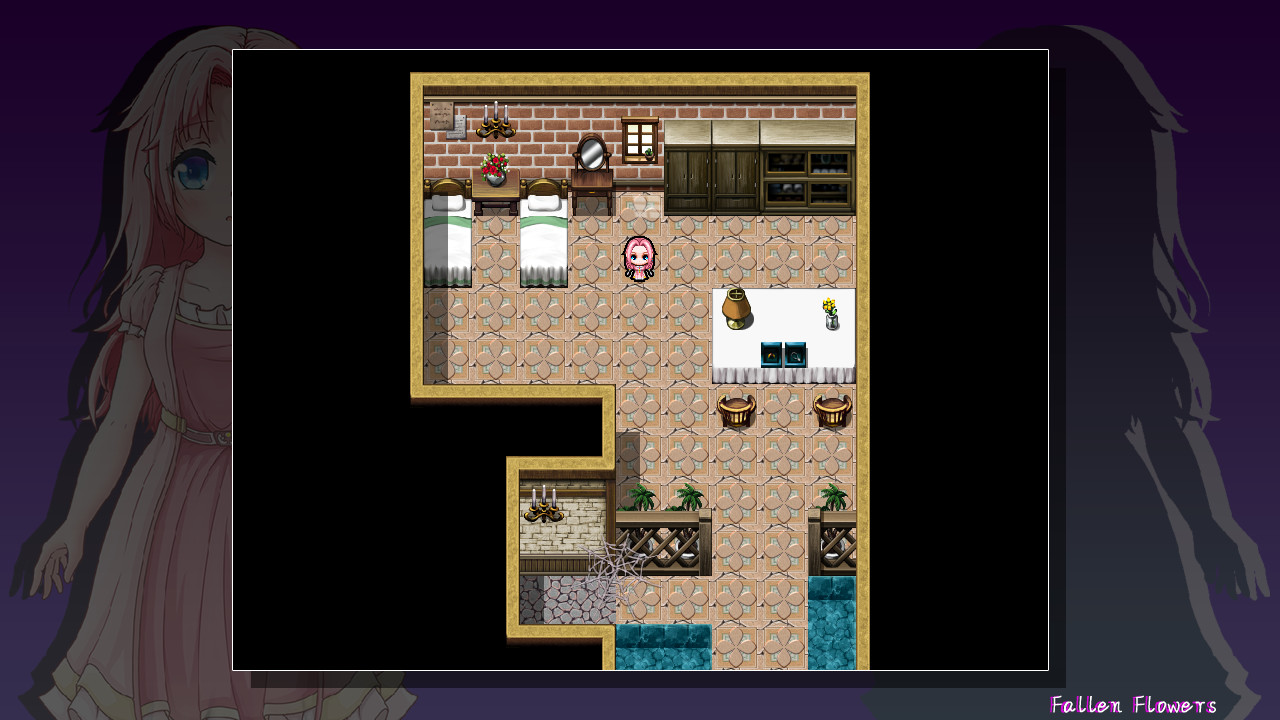
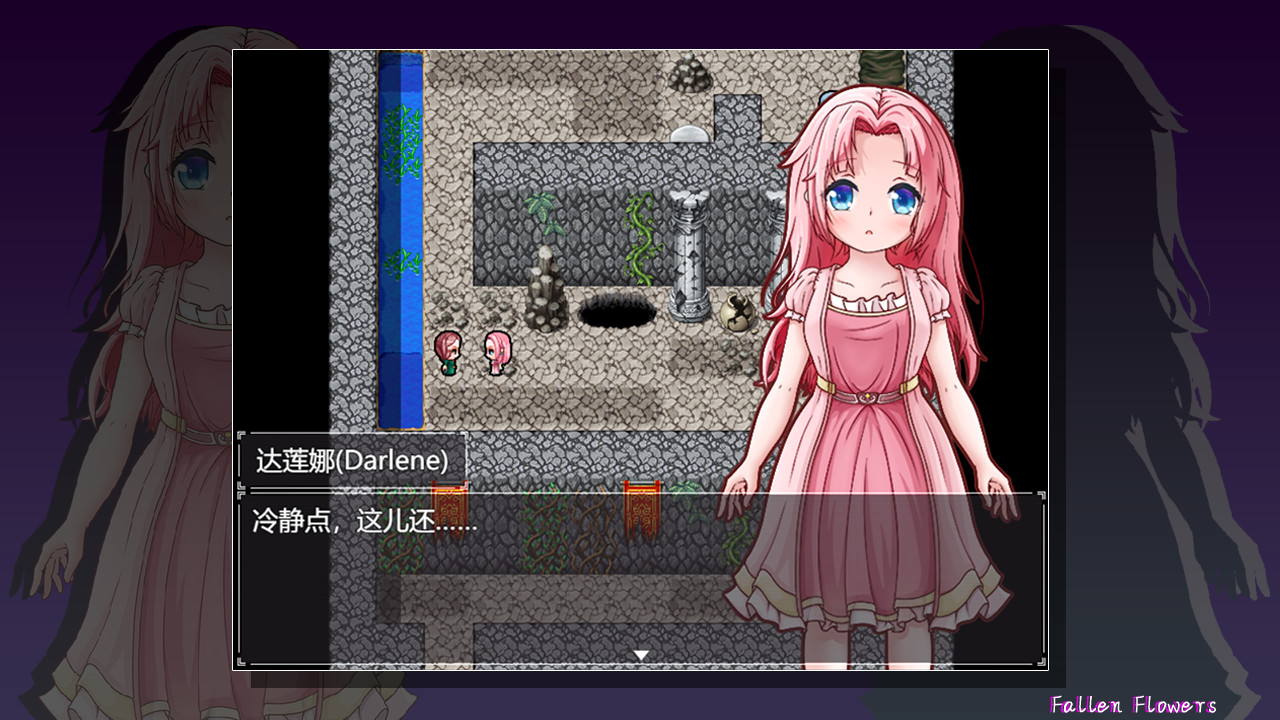
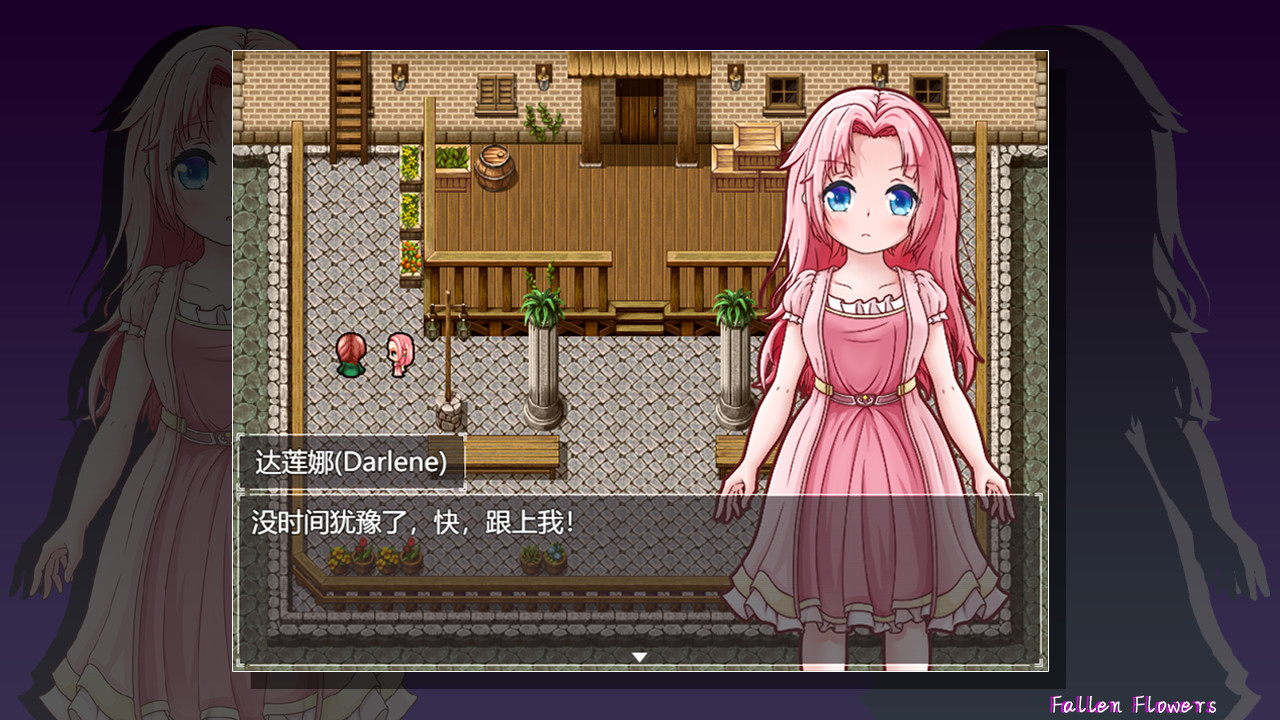
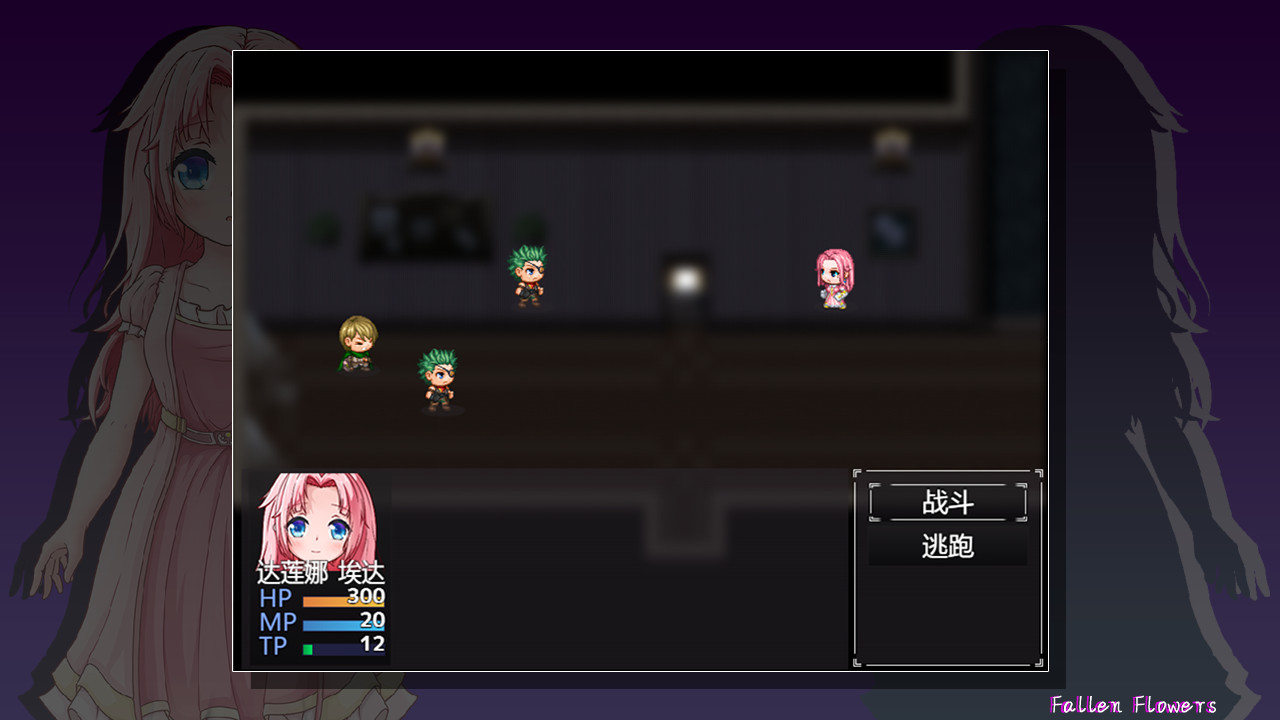
I hate that only the main character's design is drawn while the rest of the characters use the models you can make in RPG maker. It's pretty inconsistent and I think it would be best to make a sprite for all characters and not just do it for the main character.
Considering the price, I think it's fine. Very boring, but not too bad.
▲ Recommended
3 hrs
An enjoyable short puzzle game with a decent story albeit faulty translation.
Upfront I received this game for free, but the most impact this has on the review is just that I played this game so soon. This review is entirely my own opinion.
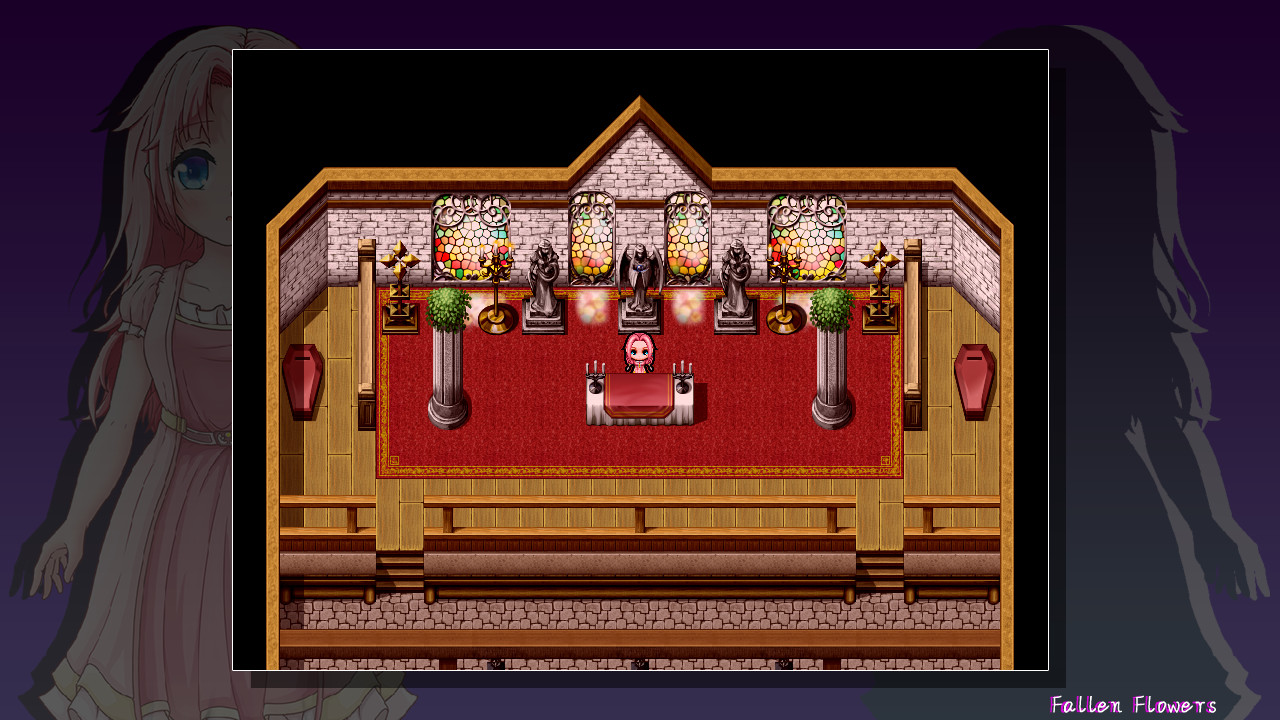
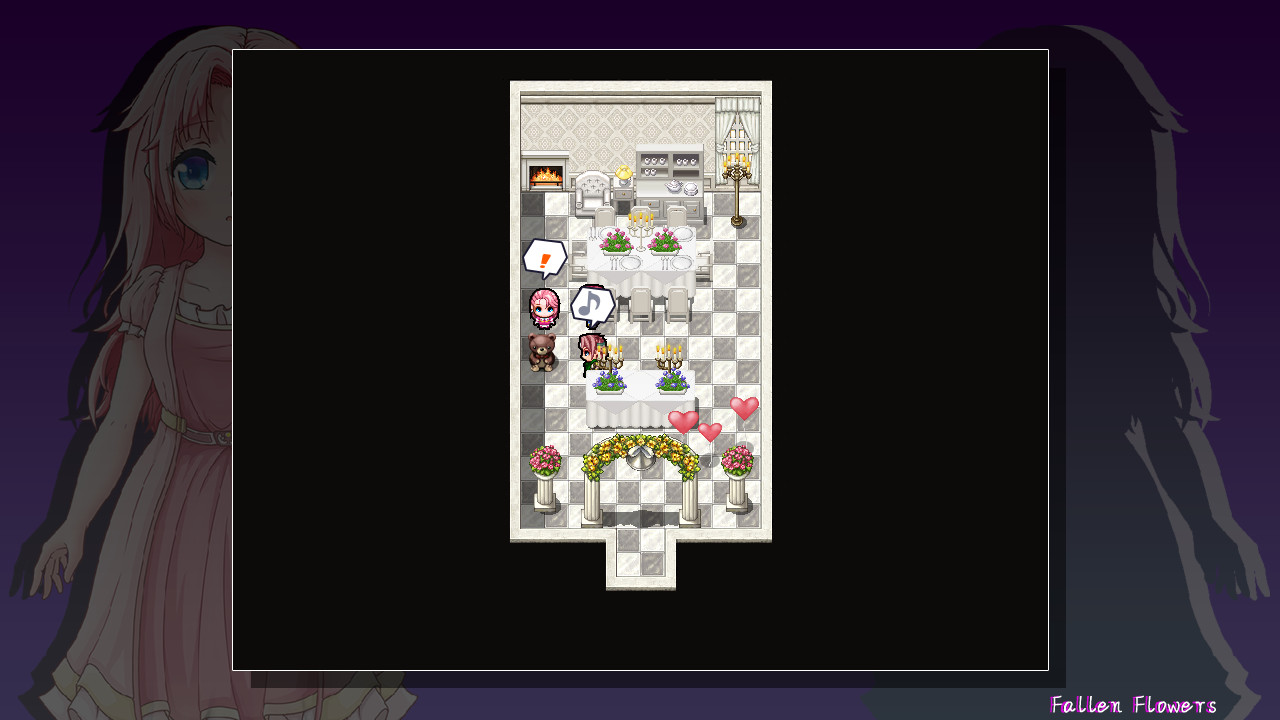
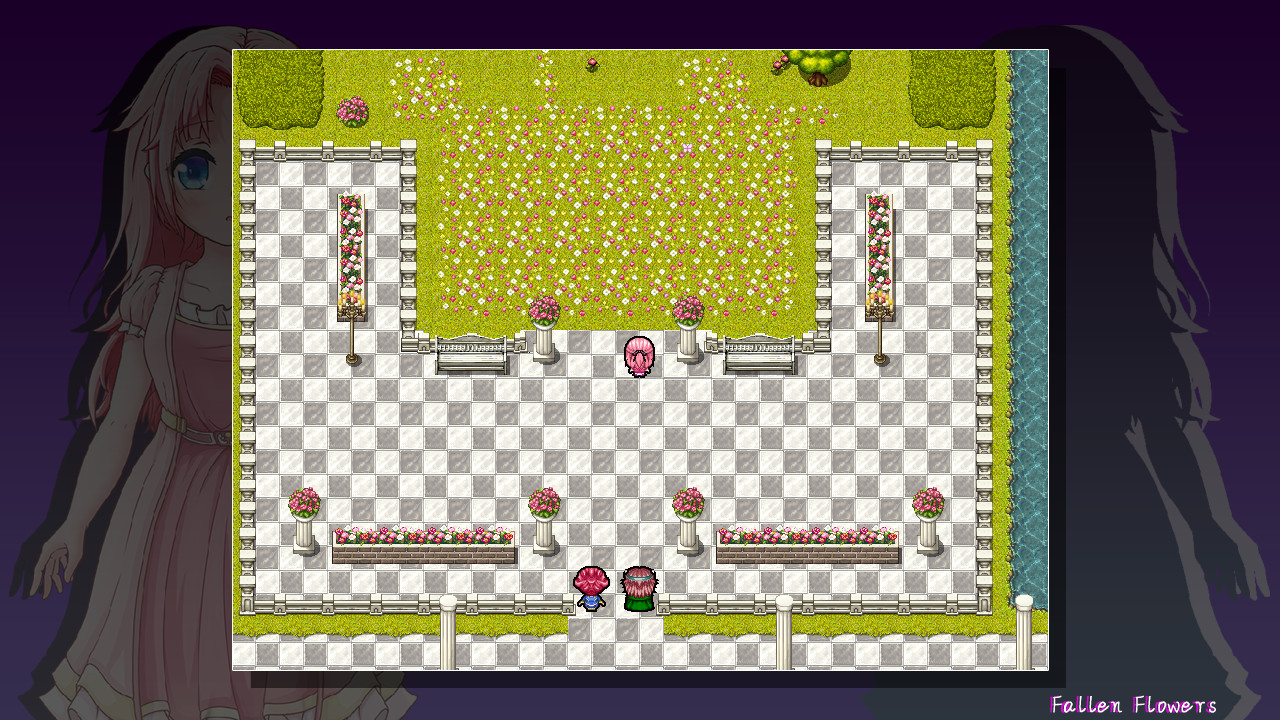
Though nothing special the environments and character art is competently made and nice to look at.
However what caught my attention right away was the very nice title screen music! In general I personally really liked the music in the game.
Throughout the game I have only found two actual puzzles, with the rest of the gameplay being somewhat linear in obtaining the next story item and proceeding to the place of the next story event. Combat is simple, but keep an eye on your equipment and health or you can get in trouble pretty quickly! On that no grinding is required whatsoever.
The story is pretty intriguing as I haven't seen it done like this before. It puts an interesting spin on common fairytale type stories.
While the translation is functional, it is very wonky. Although one might see that as a positive, because it makes a bunch of dialogue sound really funny. Some sentences are good, but a lot can be difficult to understand properly. Alas it can be very hilarious sometimes.
To summarize despite, or because of, the translation I'm recommending this RPGMaker game. You get your money's worth and the story is pretty decent with added comedy from the translation.
▲ Recommended
9 hrs
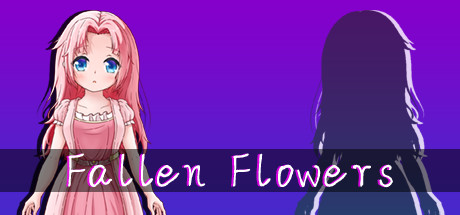
Fallen Flowers developed by Dawnwing House and published by RMking is a quiet, story-driven RPG that leans heavily into atmosphere and psychological intrigue, delivering an experience that feels more like a slow unraveling mystery than a traditional adventure. It begins with a familiar but effective setup: a young woman awakens in an unfamiliar mansion with no memory of her past, accompanied only by someone who claims to be her sister. From that point onward, the game focuses less on external conflict and more on internal uncertainty, gradually revealing fragments of truth in a way that keeps players questioning what is real and what is not.
The narrative is the strongest element of the experience, built around themes of identity, memory, and hidden intentions. Rather than presenting a clear and linear story, the game unfolds in pieces, relying on environmental details, small interactions, and subtle hints to build its world. This fragmented approach creates a sense of unease, as players are never given the full picture at once. The mansion itself plays a significant role in this storytelling, acting almost like a character, guiding the player through its rooms while slowly exposing its secrets. The pacing is deliberate, often quiet, allowing tension to build gradually rather than relying on sudden dramatic shifts.
Gameplay is relatively simple, combining exploration with light RPG mechanics. Players navigate the mansion, interact with objects, and occasionally encounter enemies that trigger turn-based combat. These battles are functional but straightforward, relying on basic commands and incremental upgrades rather than deep strategic systems. Equipment can be improved using materials gathered along the way, adding a small layer of progression, but combat remains secondary to the overall experience. It provides structure and occasional challenge, yet it never becomes the main focus of the game.
The atmosphere is where Fallen Flowers truly distinguishes itself. There is a constant undercurrent of tension created through its subdued environments and minimal guidance. The contrast between the ordinary setting of a mansion and the unsettling events that unfold within it gives the game a lingering sense of discomfort. Moments of calm exploration are often interrupted by unexpected encounters or revelations, keeping players slightly off balance. This balance between familiarity and unease is handled effectively, making the experience engaging even when little is happening on the surface.
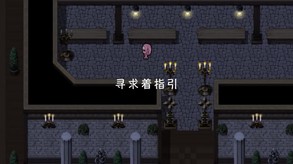
Visually, the game adopts a pixel-art style typical of smaller RPG projects. While the presentation is not technically advanced, it uses lighting and composition to good effect, creating spaces that feel both intimate and isolating. The simplicity of the visuals works in favor of the atmosphere, allowing players to focus on the mood and narrative rather than visual complexity. Character designs are basic but serve their purpose, and the overall aesthetic remains consistent throughout the experience.
The structure of the game is mostly linear, guiding players through a set sequence of events with limited opportunities for deviation. However, the inclusion of multiple endings adds a layer of replayability, encouraging players to explore different choices and outcomes. These variations give some weight to player decisions, even if the overall path remains largely fixed. It’s a modest addition, but it helps extend the experience beyond a single playthrough.
Despite its strengths, the game does have its limitations. The gameplay loop can become repetitive, as exploration and combat do not evolve significantly over time. Players looking for deeper mechanics or more dynamic systems may find the experience lacking in variety. Additionally, the narrative’s reliance on ambiguity can be a double-edged sword. While it enhances the sense of mystery, it can also leave certain elements feeling unresolved or underdeveloped, reducing the overall impact for some players.
Even so, Fallen Flowers succeeds in delivering a focused and atmospheric experience that prioritizes mood and storytelling over complexity. It is not a game that aims to challenge players through mechanics, but rather to draw them into a quiet, unsettling world where the true objective is understanding what lies beneath the surface. For those who appreciate slower, narrative-driven games with a psychological edge, it offers a memorable journey within its modest scope.
Rating: 7/10