




▲ Recommended
10 hrs
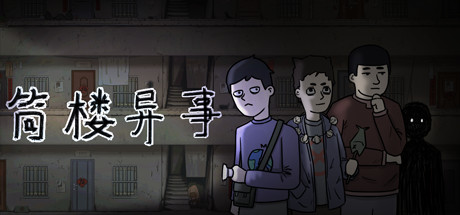
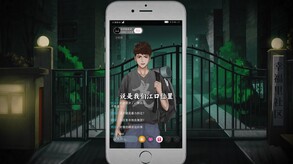
SHILING delivers a suspenseful supernatural adventure that combines psychological horror, mystery, visual novel storytelling, and puzzle-solving into a narrative inspired by urban legends and the growing popularity of rule-based horror fiction. Rather than overwhelming players with combat or constant jump scares, the game builds its identity around a creeping sense of unease, gradually drawing players into a world where everyday places conceal terrifying secrets governed by inexplicable supernatural laws. The premise begins with the mysterious disappearance of the former president of a paranormal research club during a livestream. Months later, an unexpected message surfaces, pulling a group of high school students into a dangerous investigation that quickly reveals a reality far stranger than they could have imagined.
The story excels at maintaining intrigue through gradual revelations instead of immediate answers. Every chapter introduces new mysteries while expanding the game's supernatural mythology, encouraging players to connect clues scattered throughout conversations, environmental details, and unsettling encounters. The narrative constantly blurs the boundary between ordinary life and the paranormal, allowing familiar locations to become increasingly disturbing as hidden rules begin to dictate survival. This slow-burning approach rewards attentive players who enjoy unraveling layered mysteries rather than rushing toward action-heavy sequences.
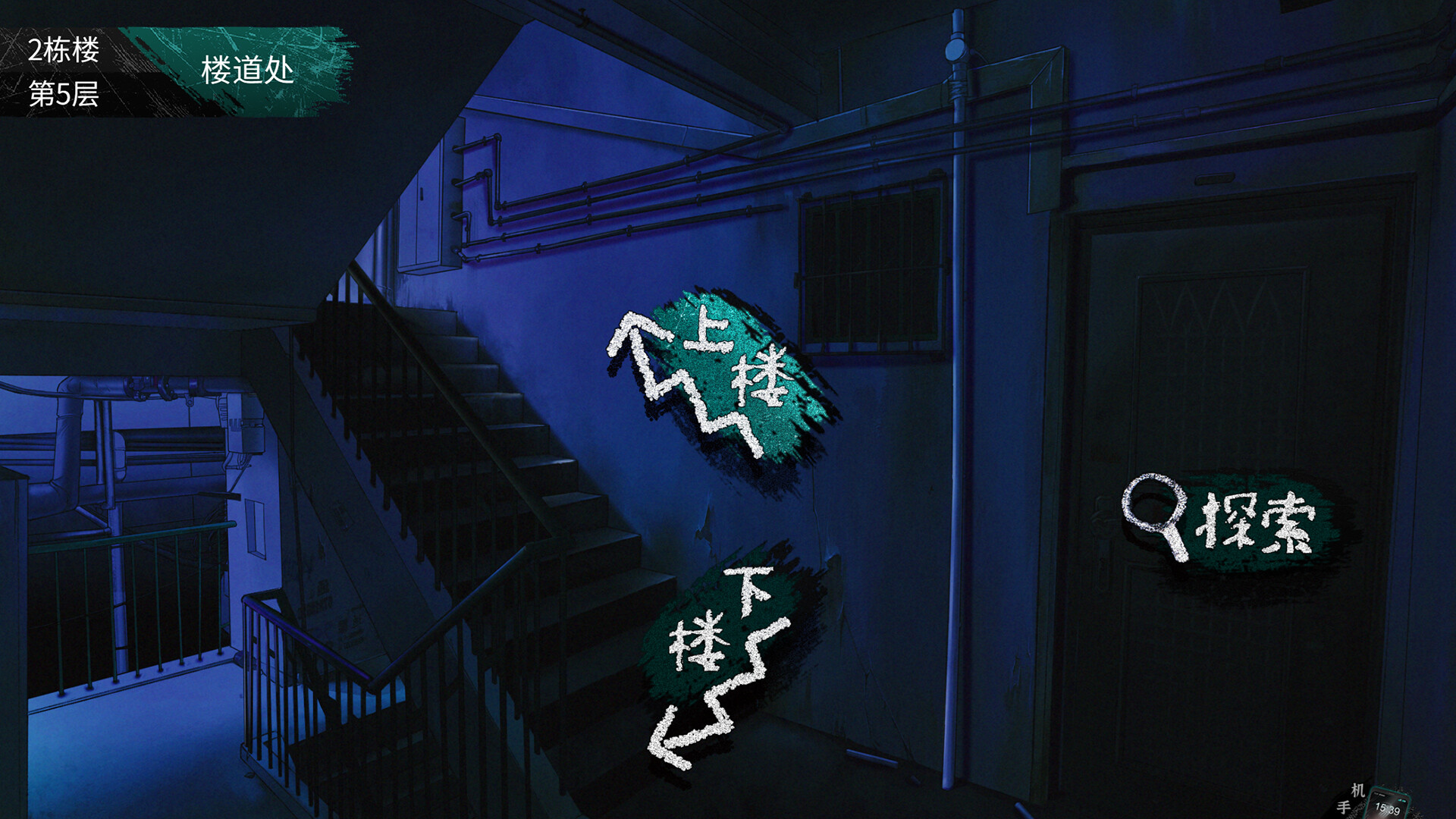
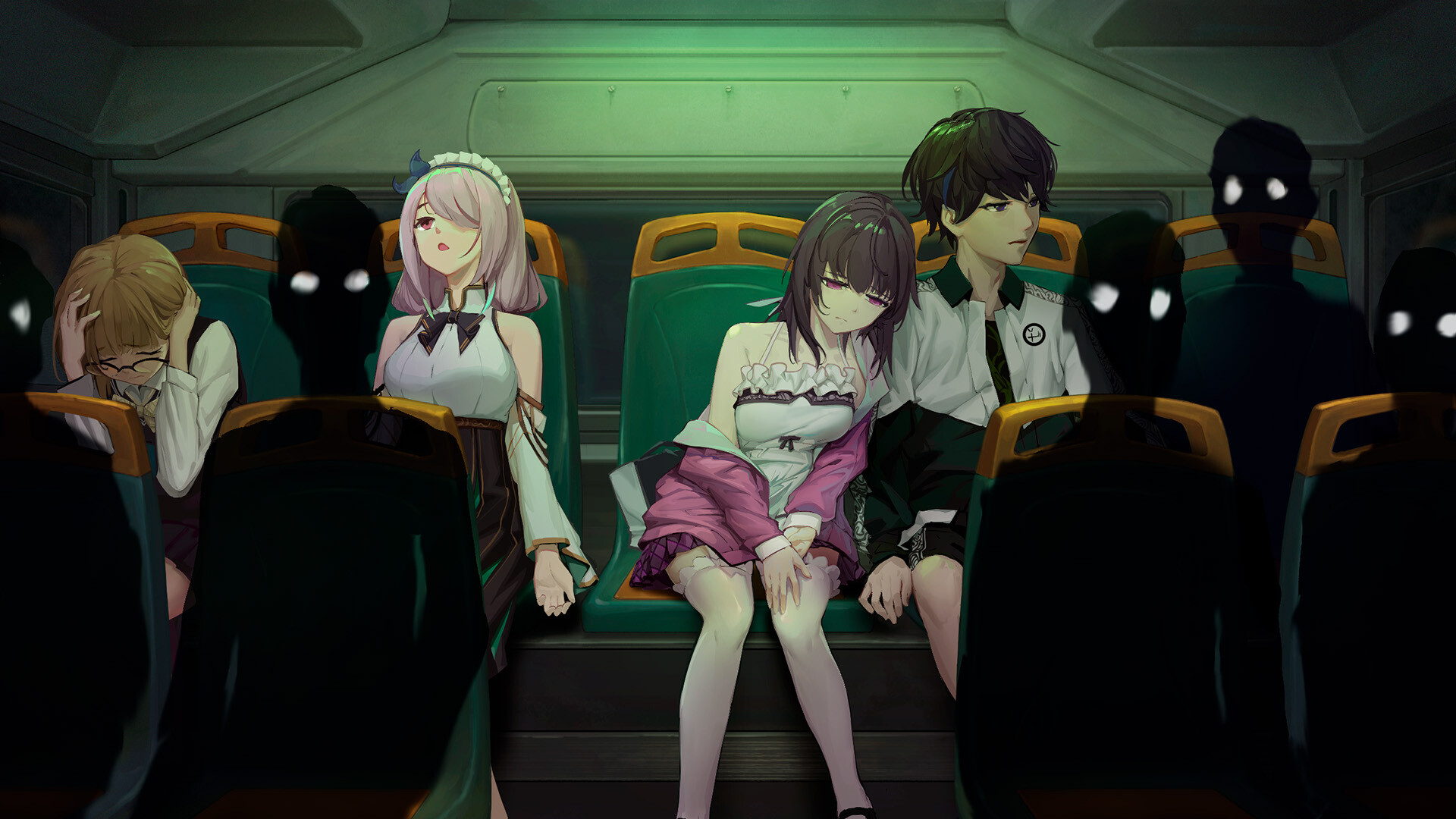
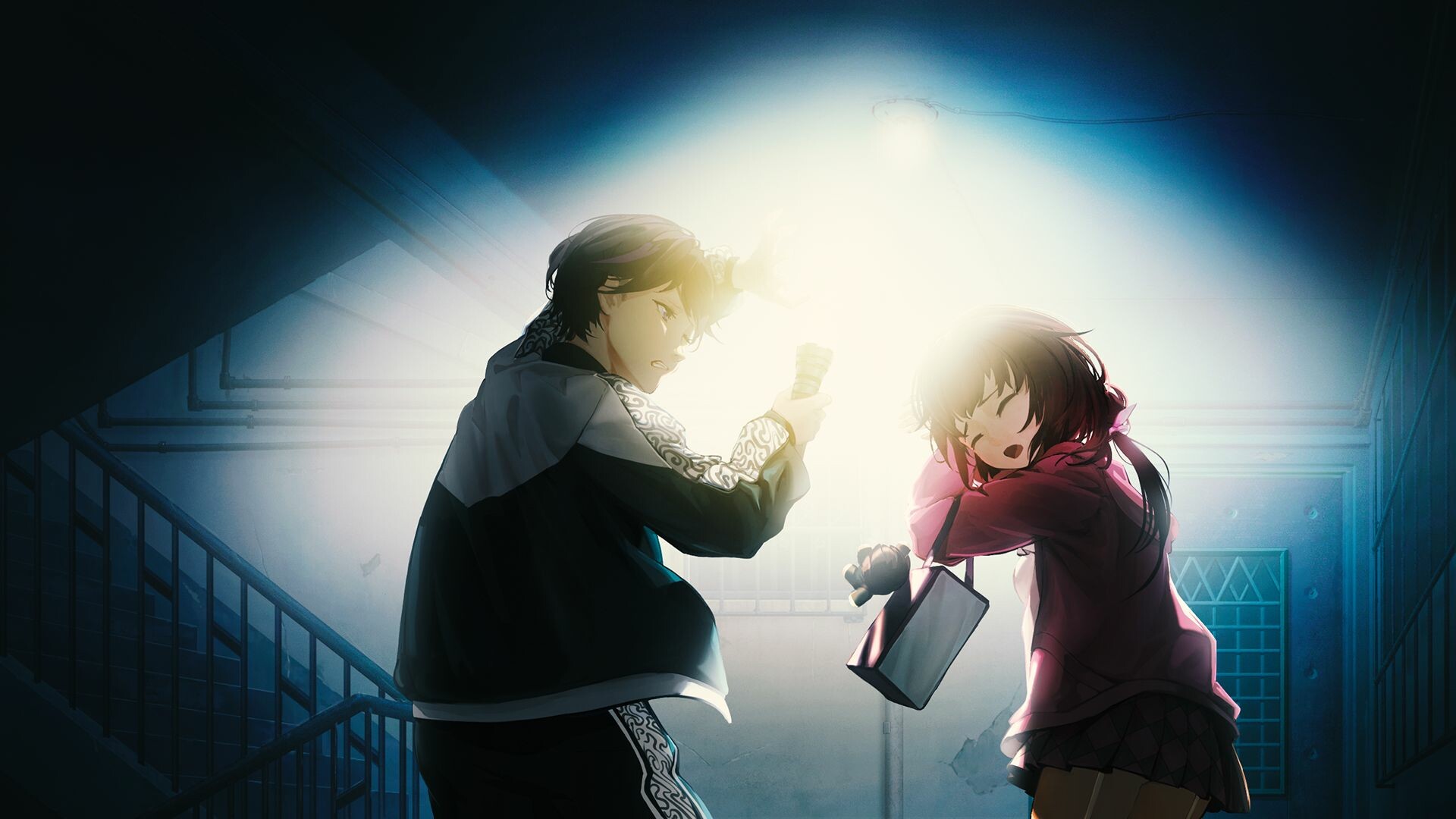
One of SHILING's greatest strengths lies in its imaginative setting. Each supernatural location introduces its own disturbing concept, whether it is an apartment trapped in an endless staircase, an abandoned factory filled with ominous workplace regulations, a midnight bus operating under impossible conditions, or an eerie theater hiding dark secrets behind its empty stage. Every area possesses its own identity while contributing to the larger mystery, creating an unpredictable journey where players are never entirely certain what awaits around the next corner. The game's reliance on atmosphere instead of excessive violence allows psychological tension to remain consistently effective throughout the adventure.
Gameplay focuses primarily on exploration, dialogue, puzzle-solving, and decision-making. Rather than testing reflexes, SHILING challenges players to pay close attention to environmental clues, interpret strange instructions, and carefully consider the consequences of their choices. Several puzzles require observation and logical thinking, fitting naturally within the investigative structure of the story. Multiple endings further increase replay value by rewarding different decisions and encouraging players to revisit earlier chapters to uncover hidden story branches and alternate conclusions.
The cast also contributes significantly to the experience. The protagonists feel like ordinary teenagers suddenly confronted with extraordinary circumstances, making their fear and uncertainty believable. Relationships between the characters evolve alongside the investigation, balancing moments of friendship and emotional vulnerability with growing paranoia as increasingly dangerous supernatural events unfold. These interactions help keep the narrative grounded even as the horror becomes more surreal, making players more invested in the characters' survival and the truth behind the unfolding mystery.
Visually, SHILING presents an attractive combination of illustrated character portraits, detailed backgrounds, and event artwork that effectively captures both everyday school life and terrifying supernatural environments. The contrast between normal settings and their corrupted counterparts reinforces the game's unsettling atmosphere, while expressive character illustrations enhance emotional scenes and important story moments. Although it does not rely on cutting-edge graphics, its artistic direction successfully creates a memorable visual identity that complements its horror themes.
The sound design further strengthens the experience through subtle environmental effects and an atmospheric musical score that shifts naturally between calm investigative sequences and moments of psychological terror. Voice performances add personality to the cast while increasing immersion during dramatic confrontations and emotional conversations. Instead of constantly trying to frighten players with loud audio cues, the game uses silence, ambient sounds, and carefully timed music to sustain tension over long stretches of gameplay.
Despite its many strengths, SHILING is not without limitations. Its deliberate pacing may feel slow for players expecting fast-paced horror or frequent action sequences, as much of the experience revolves around reading dialogue and solving narrative-driven puzzles. The game's heavy emphasis on story also means that those seeking mechanically diverse gameplay may find its systems relatively straightforward. Additionally, its language support remains limited, restricting accessibility for international audiences who cannot read its primary language.
Overall, SHILING is an impressive supernatural horror adventure that succeeds through intelligent storytelling, atmospheric world-building, and an engaging mystery inspired by modern urban legends. Its carefully constructed environments, memorable supernatural concepts, meaningful player choices, and strong psychological tension create an experience that feels distinctive within the horror genre. Players who appreciate narrative-focused adventures, visual novels, and slow-burning mysteries will likely find themselves captivated by its eerie world and satisfying investigation, while those looking for constant action may need to adjust their expectations. Even so, SHILING stands as a compelling example of how effective atmosphere and thoughtful storytelling can deliver memorable horror without relying on excessive spectacle.
SHILING is a captivating psychological horror adventure that blends mystery, supernatural folklore, and interactive storytelling into an immersive experience, offering strong atmosphere, creative world-building, and rewarding narrative depth for fans of story-driven horror games.
Rating: 7/10
The story excels at maintaining intrigue through gradual revelations instead of immediate answers. Every chapter introduces new mysteries while expanding the game's supernatural mythology, encouraging players to connect clues scattered throughout conversations, environmental details, and unsettling encounters. The narrative constantly blurs the boundary between ordinary life and the paranormal, allowing familiar locations to become increasingly disturbing as hidden rules begin to dictate survival. This slow-burning approach rewards attentive players who enjoy unraveling layered mysteries rather than rushing toward action-heavy sequences.
One of SHILING's greatest strengths lies in its imaginative setting. Each supernatural location introduces its own disturbing concept, whether it is an apartment trapped in an endless staircase, an abandoned factory filled with ominous workplace regulations, a midnight bus operating under impossible conditions, or an eerie theater hiding dark secrets behind its empty stage. Every area possesses its own identity while contributing to the larger mystery, creating an unpredictable journey where players are never entirely certain what awaits around the next corner. The game's reliance on atmosphere instead of excessive violence allows psychological tension to remain consistently effective throughout the adventure.
Gameplay focuses primarily on exploration, dialogue, puzzle-solving, and decision-making. Rather than testing reflexes, SHILING challenges players to pay close attention to environmental clues, interpret strange instructions, and carefully consider the consequences of their choices. Several puzzles require observation and logical thinking, fitting naturally within the investigative structure of the story. Multiple endings further increase replay value by rewarding different decisions and encouraging players to revisit earlier chapters to uncover hidden story branches and alternate conclusions.
The cast also contributes significantly to the experience. The protagonists feel like ordinary teenagers suddenly confronted with extraordinary circumstances, making their fear and uncertainty believable. Relationships between the characters evolve alongside the investigation, balancing moments of friendship and emotional vulnerability with growing paranoia as increasingly dangerous supernatural events unfold. These interactions help keep the narrative grounded even as the horror becomes more surreal, making players more invested in the characters' survival and the truth behind the unfolding mystery.
Visually, SHILING presents an attractive combination of illustrated character portraits, detailed backgrounds, and event artwork that effectively captures both everyday school life and terrifying supernatural environments. The contrast between normal settings and their corrupted counterparts reinforces the game's unsettling atmosphere, while expressive character illustrations enhance emotional scenes and important story moments. Although it does not rely on cutting-edge graphics, its artistic direction successfully creates a memorable visual identity that complements its horror themes.
The sound design further strengthens the experience through subtle environmental effects and an atmospheric musical score that shifts naturally between calm investigative sequences and moments of psychological terror. Voice performances add personality to the cast while increasing immersion during dramatic confrontations and emotional conversations. Instead of constantly trying to frighten players with loud audio cues, the game uses silence, ambient sounds, and carefully timed music to sustain tension over long stretches of gameplay.
Despite its many strengths, SHILING is not without limitations. Its deliberate pacing may feel slow for players expecting fast-paced horror or frequent action sequences, as much of the experience revolves around reading dialogue and solving narrative-driven puzzles. The game's heavy emphasis on story also means that those seeking mechanically diverse gameplay may find its systems relatively straightforward. Additionally, its language support remains limited, restricting accessibility for international audiences who cannot read its primary language.
Overall, SHILING is an impressive supernatural horror adventure that succeeds through intelligent storytelling, atmospheric world-building, and an engaging mystery inspired by modern urban legends. Its carefully constructed environments, memorable supernatural concepts, meaningful player choices, and strong psychological tension create an experience that feels distinctive within the horror genre. Players who appreciate narrative-focused adventures, visual novels, and slow-burning mysteries will likely find themselves captivated by its eerie world and satisfying investigation, while those looking for constant action may need to adjust their expectations. Even so, SHILING stands as a compelling example of how effective atmosphere and thoughtful storytelling can deliver memorable horror without relying on excessive spectacle.
SHILING is a captivating psychological horror adventure that blends mystery, supernatural folklore, and interactive storytelling into an immersive experience, offering strong atmosphere, creative world-building, and rewarding narrative depth for fans of story-driven horror games.
Rating: 7/10
2 found helpful
Steam ↗