
▲ Recommended
12 hrs
Crazy Prisoner is a 2D survival horror title developed by BloodRain Publishing and published by RetroScope Games. Built around the story of an escaped inmate named Joel, the game places players in the role of a fugitive who must evade relentless police pursuit while searching for ways to survive. Rather than following a heavily scripted campaign, the experience embraces player choice, encouraging exploration and self-directed progression. The simple premise allows the focus to remain on survival, resource gathering, and making difficult decisions under constant pressure, giving the game an identity that stands apart from many traditional horror adventures.
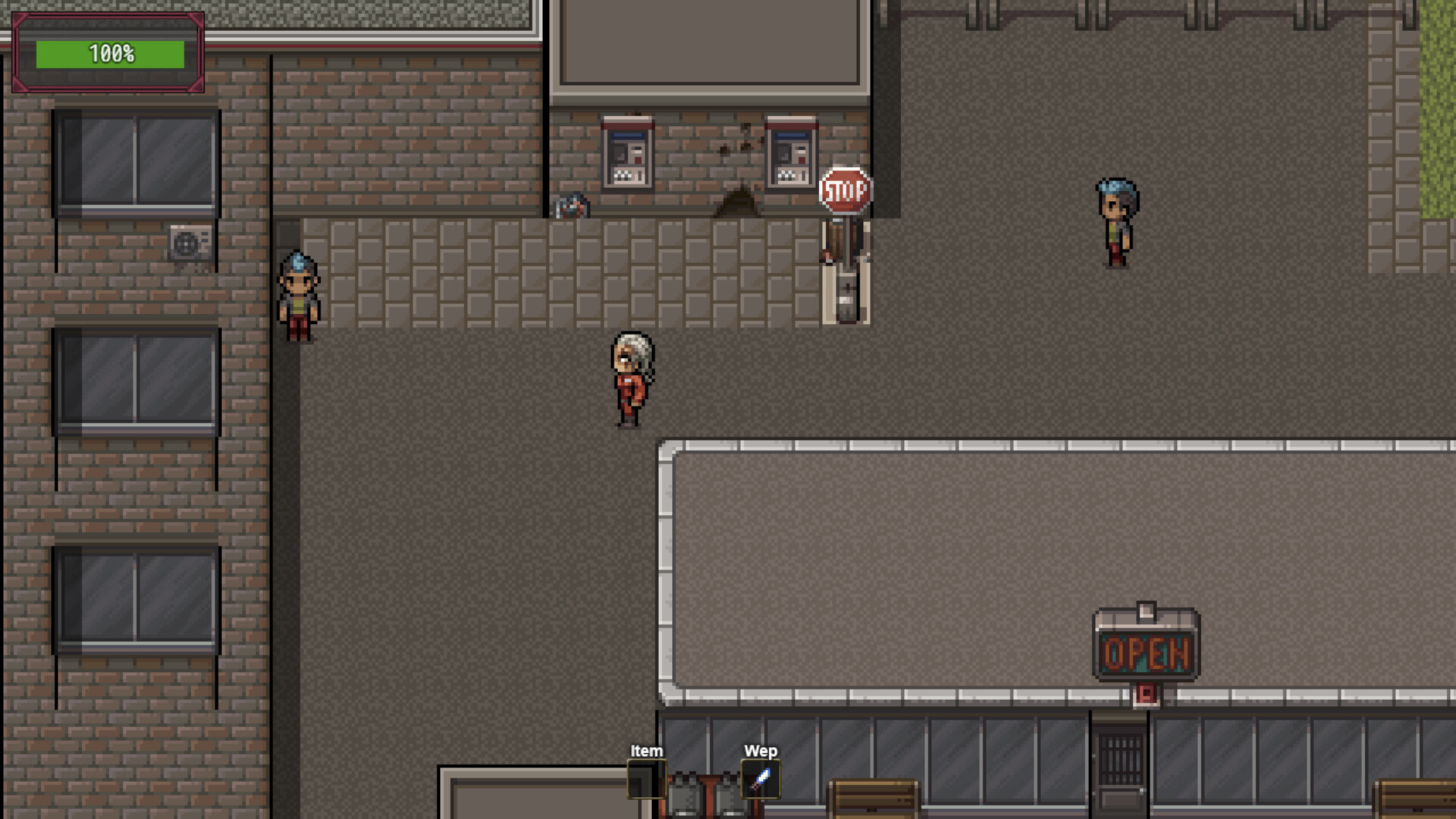
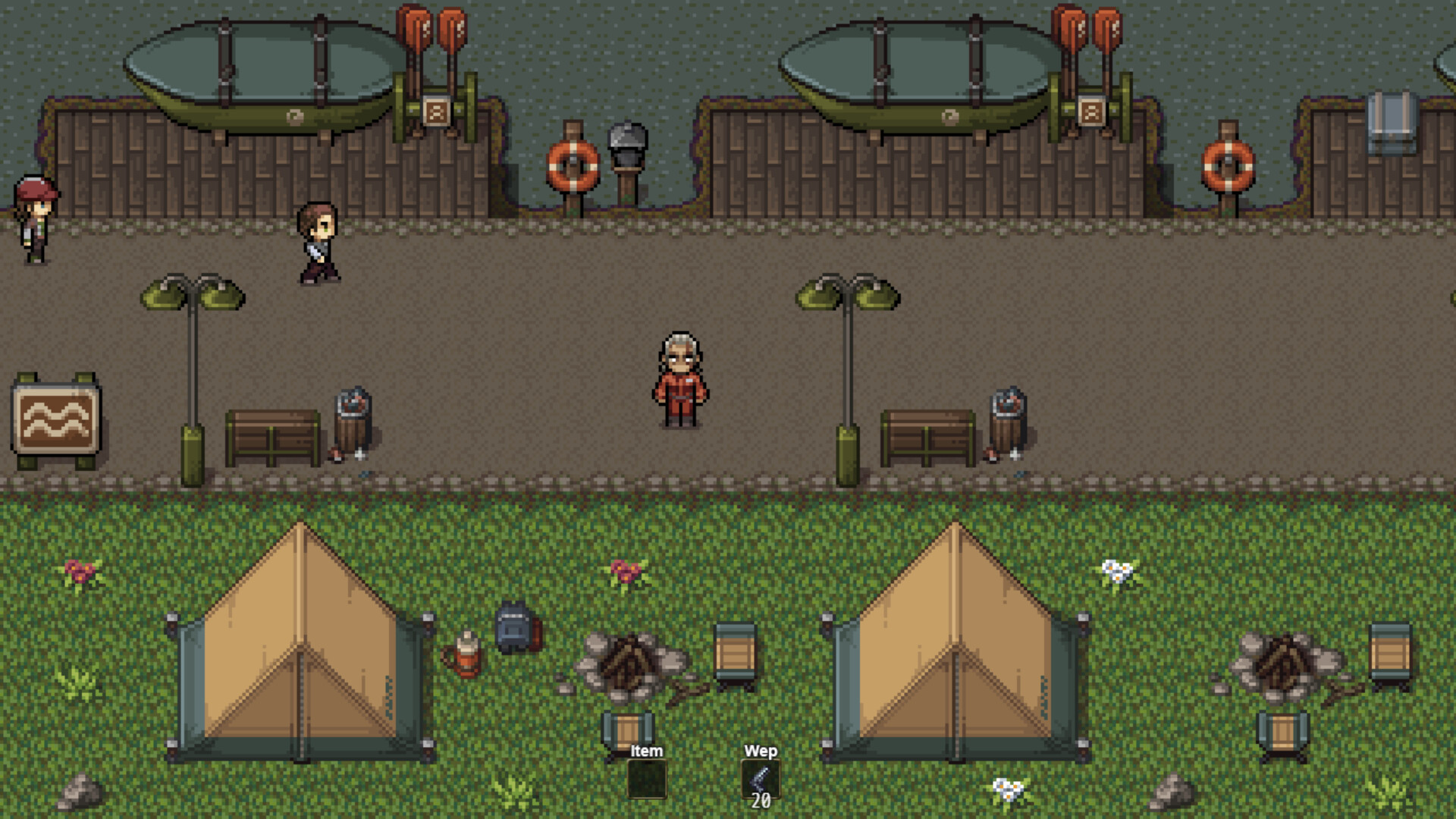
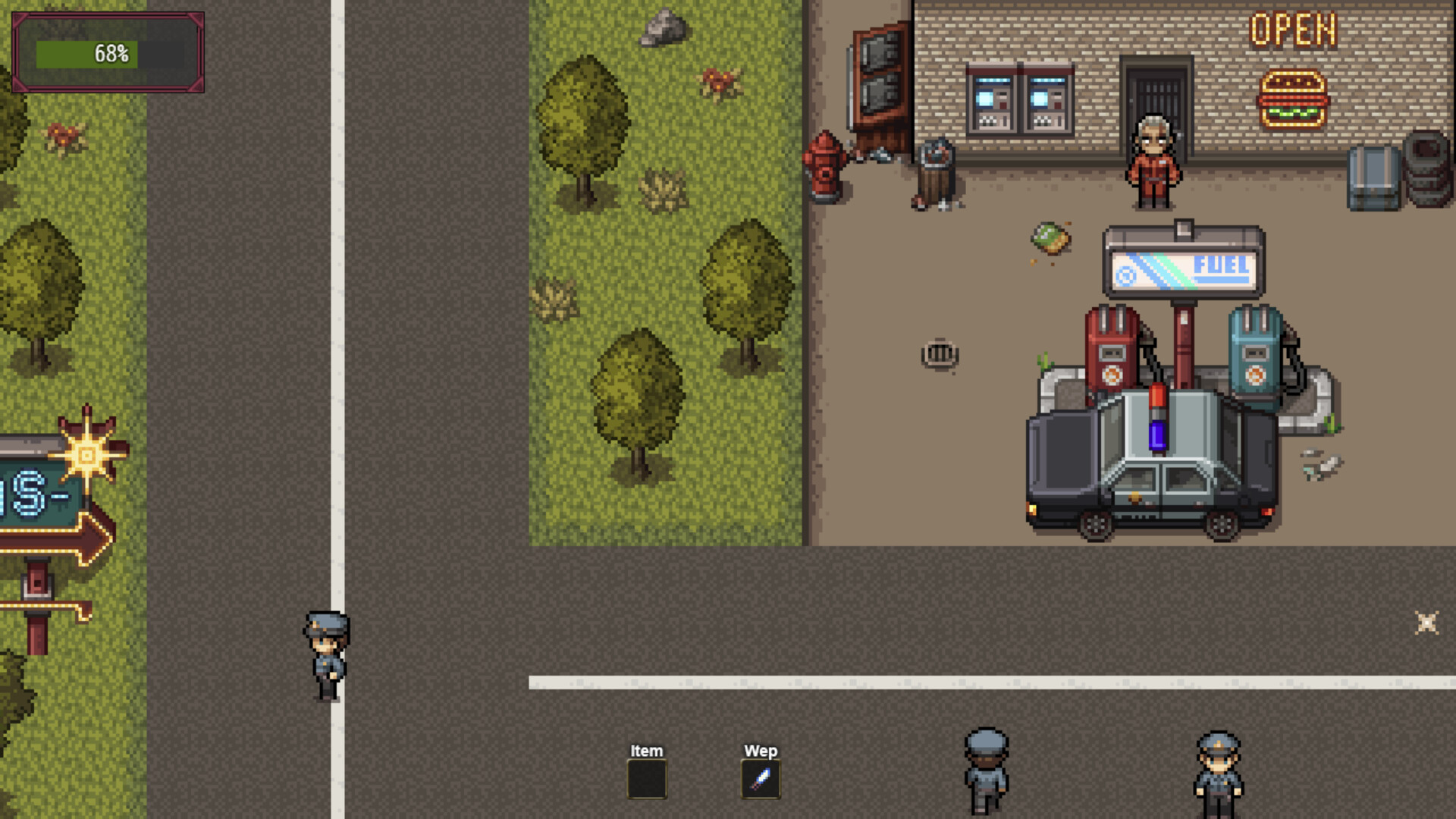
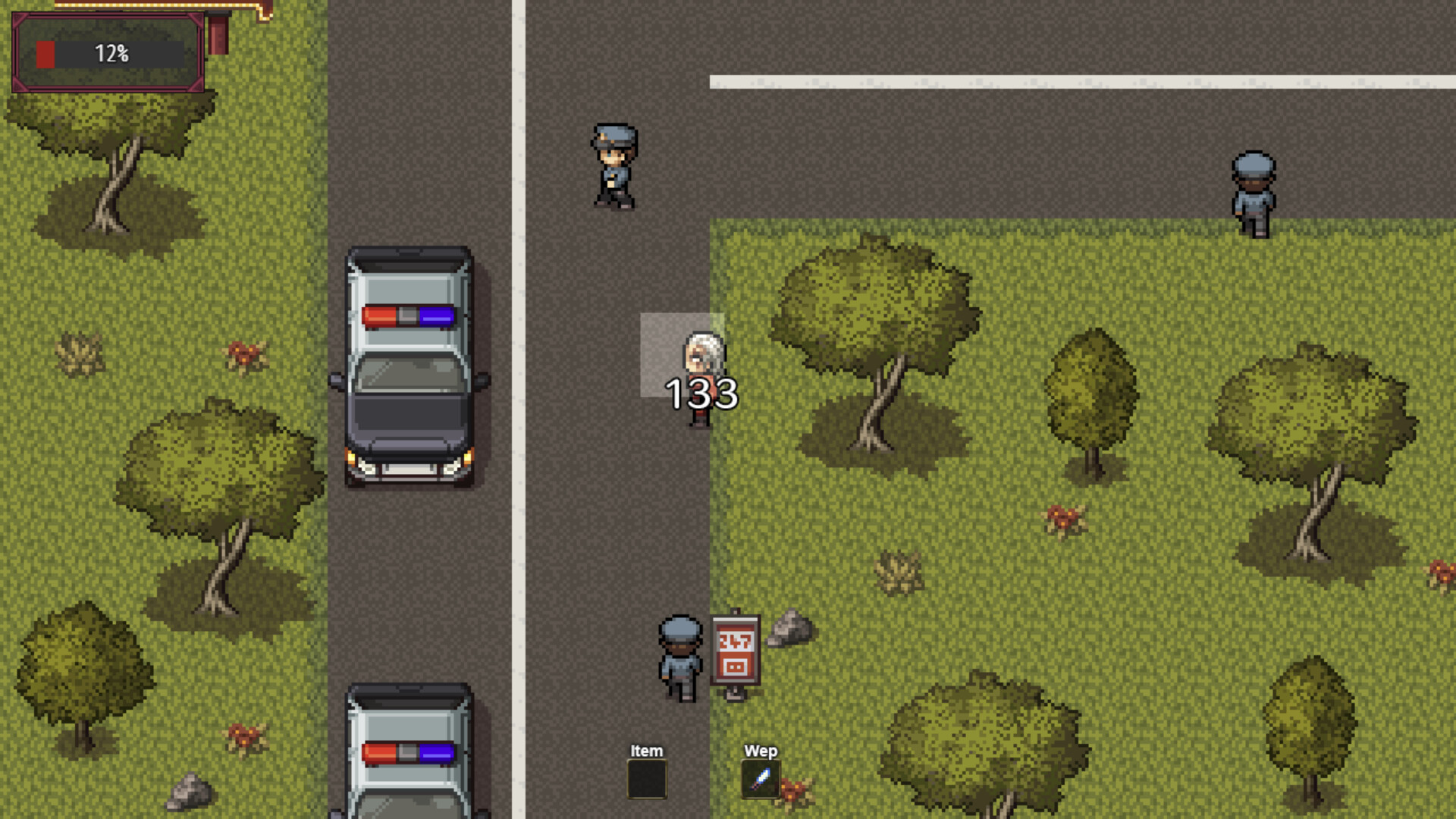
The gameplay revolves around exploring large pixel-art environments filled with opportunities and dangers. Players can search buildings for weapons, ammunition, and other useful items while deciding whether to avoid enemies or confront them directly. Robbing stores and scavenging abandoned locations become necessary parts of staying alive, but every decision carries risk, especially when law enforcement is never far behind. The freedom to approach situations in different ways is one of the game's biggest strengths, as it avoids forcing players down a single path and instead rewards those who carefully balance aggression with caution.
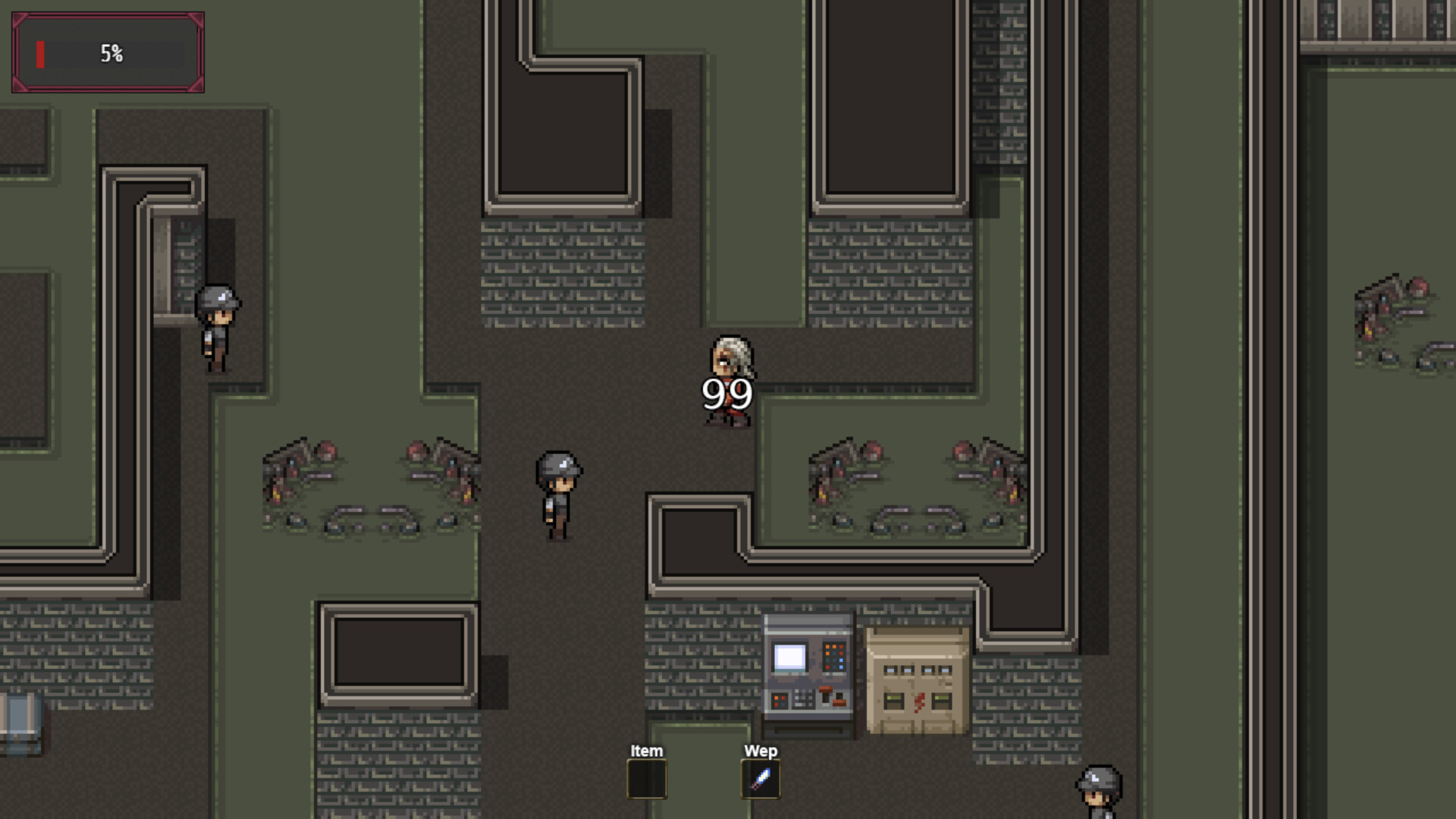
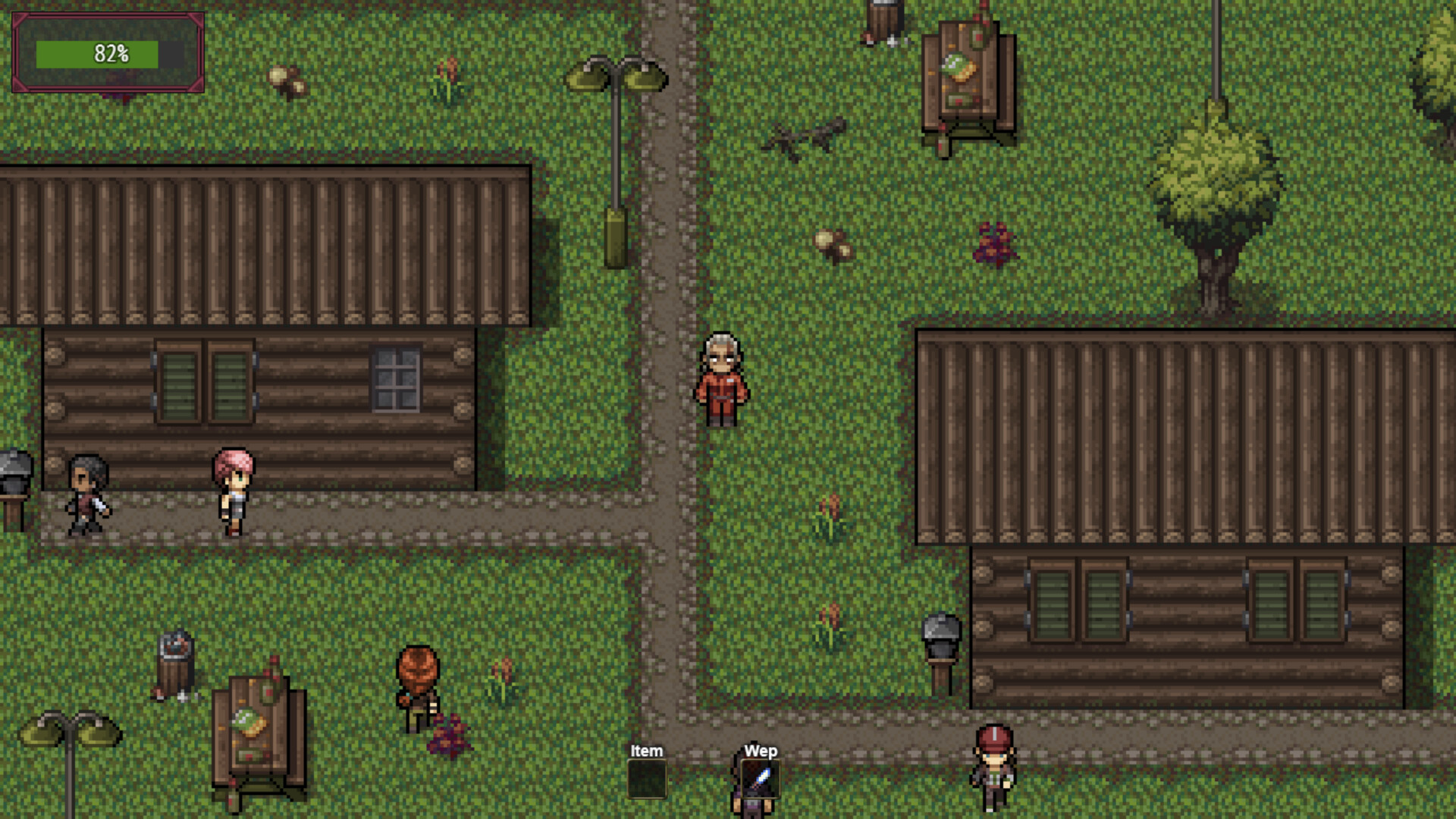
Visually, Crazy Prisoner embraces a retro-inspired pixel aesthetic that suits its independent nature. Although the graphics are relatively modest, they successfully establish a bleak atmosphere that complements the game's survival horror elements. Dimly lit locations, abandoned structures, and isolated outdoor areas all contribute to a persistent sense of unease. The accompanying soundtrack reinforces this mood with suspenseful audio that enhances exploration without becoming distracting. Together, the presentation captures the feeling of being constantly hunted, even if it lacks the visual polish found in larger-budget releases.
The survival mechanics add another layer of tension by making resources valuable. Ammunition is limited, encouraging players to think before engaging enemies instead of treating every encounter as a firefight. Exploration is consistently rewarded, as searching every corner of the map often uncovers equipment that can make future encounters more manageable. However, while the core gameplay loop remains engaging for a time, the overall experience can become repetitive due to limited enemy variety, straightforward objectives, and mechanics that do not evolve significantly as the game progresses. Players seeking deeper progression systems or more complex AI may find the experience somewhat limited.
Storytelling is intentionally minimal, serving primarily as a framework for the survival gameplay. Playing from the perspective of a criminal trying to remain free is an unusual premise that gives the game a different tone from many horror titles where players assume the role of a hero or victim. While the narrative does not dive deeply into character development or moral complexity, it succeeds in creating enough motivation to keep moving forward. The game's emphasis remains on atmosphere, exploration, and player agency rather than cinematic storytelling.
Crazy Prisoner succeeds as a compact indie survival horror experience that delivers tension through exploration, limited resources, and open-ended gameplay. Its retro visuals, haunting atmosphere, and freedom of approach provide enjoyable moments for players who appreciate smaller-scale horror games. Although repetitive gameplay and relatively simple mechanics prevent it from reaching the genre's highest standards, it remains an interesting title that offers a distinct perspective and enough variety to justify its premise. Fans of pixel-art survival adventures and independent horror games are likely to find value in its straightforward but atmospheric design.
Rating: 5/10
0 found helpful
Steam ↗