▲ Recommended
4 hrs
First-person adventure game with some interesting but repetitive puzzle mechanics, vague clues, and very generous hints.
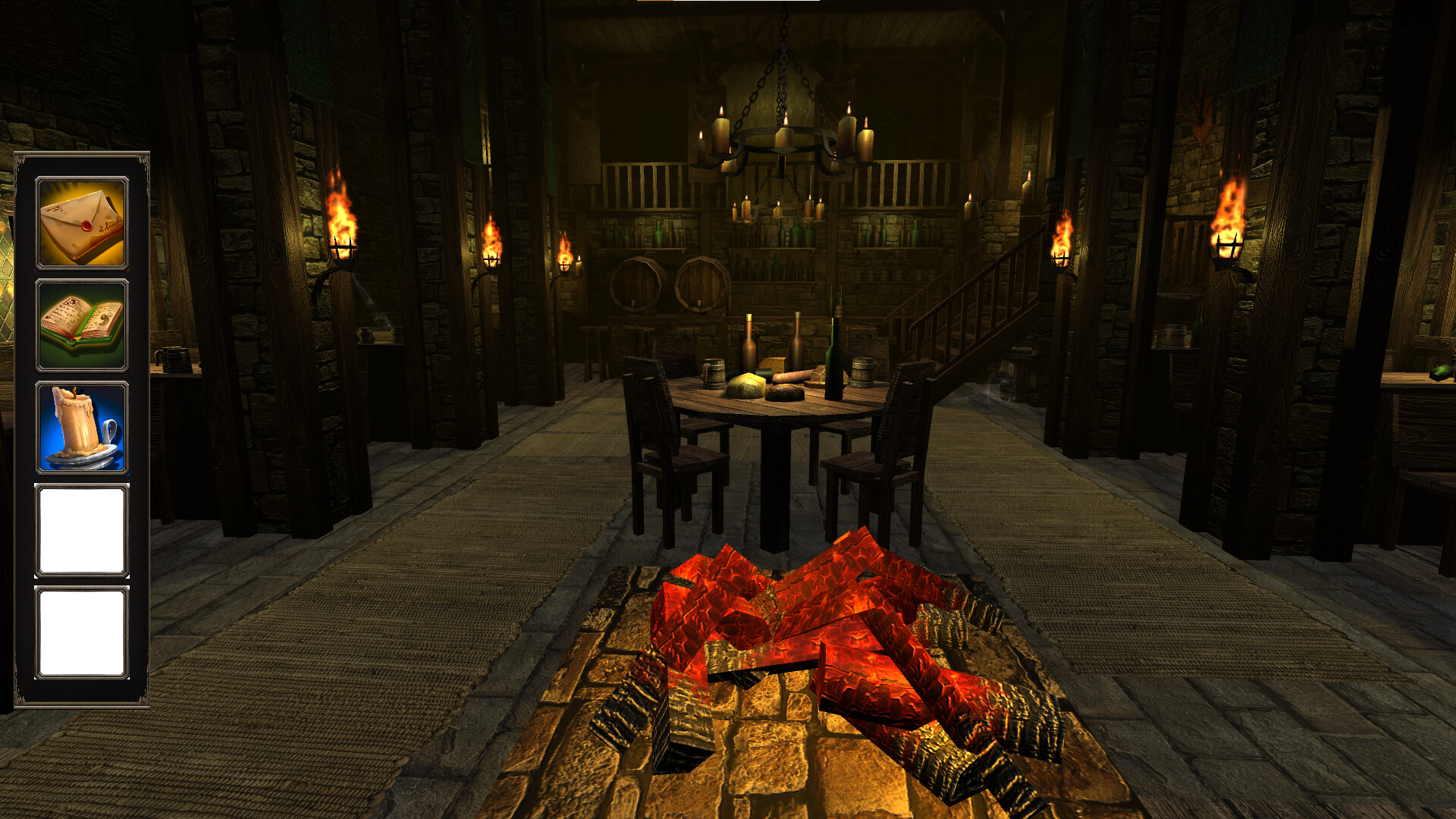
In this first-person adventure game, you take on the role of a healer who’s been urgently summoned by a close friend. He’s in trouble and needs your help, asking you to meet him and his companion at a local inn. However, when you arrive, the place is eerily deserted.
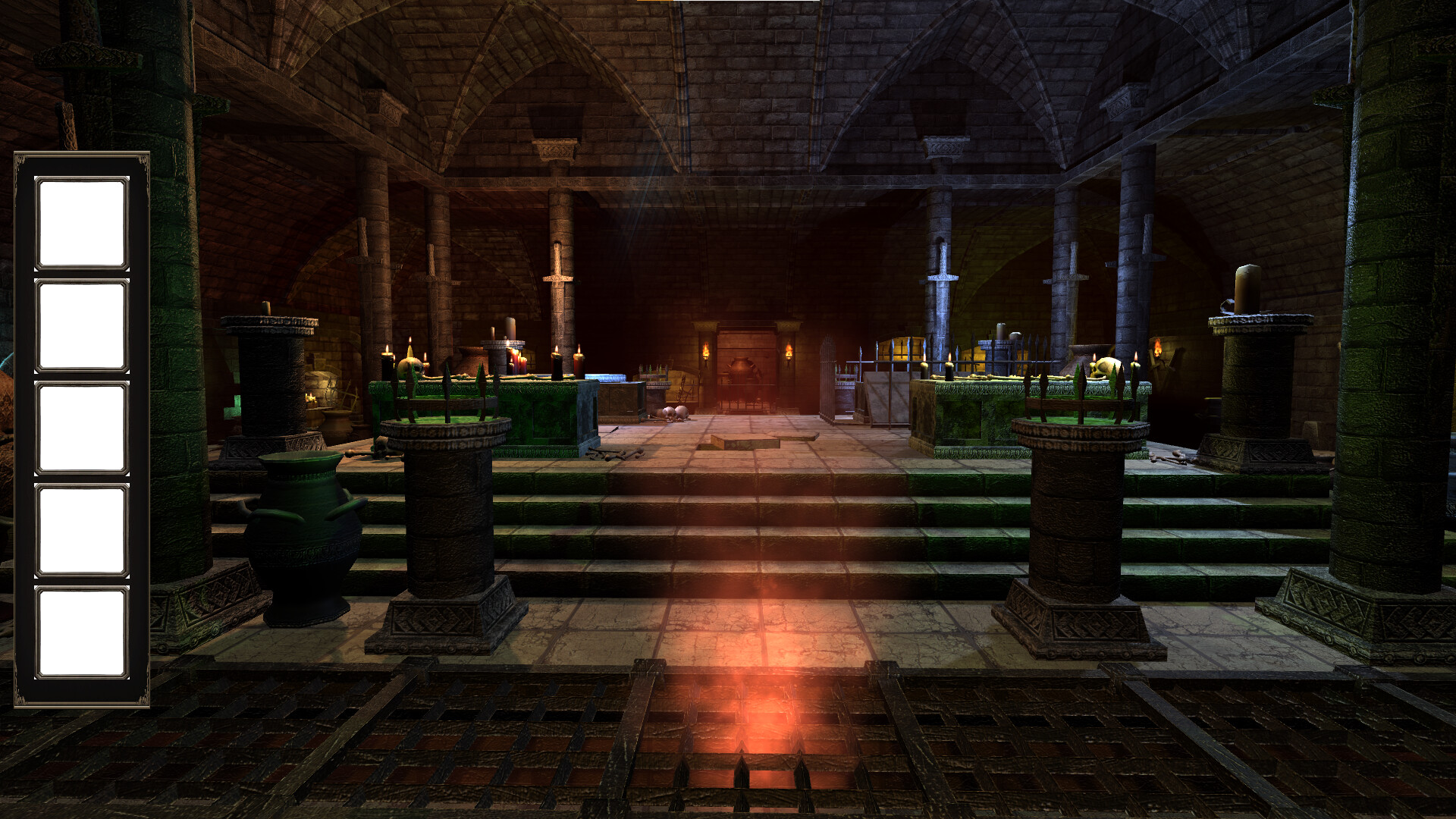
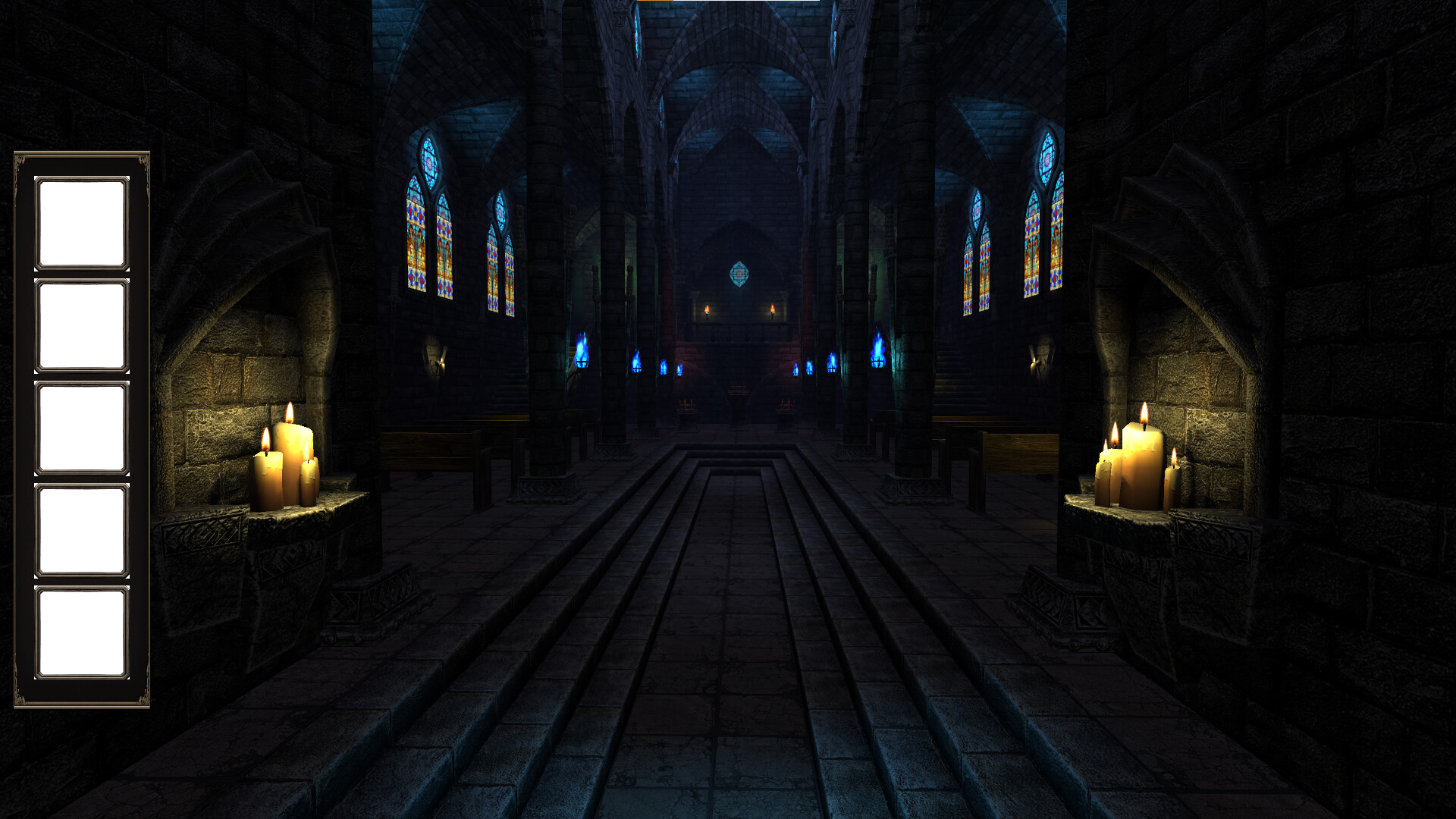
The streets are empty, the inn is silent, and it seems as though the entire city has vanished into thin air. Your only lead is the realization that your friend may have escaped through a hidden passage beneath the inn, which lead all the way to the catacombs and cathedral.
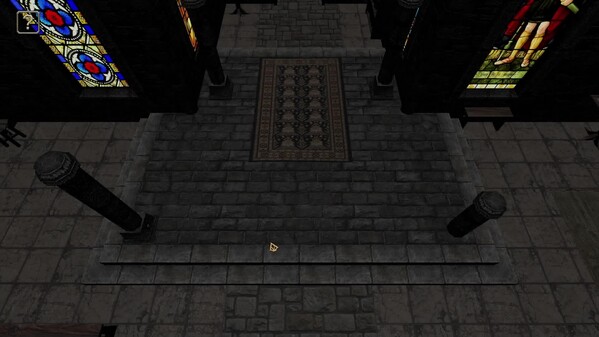
Unlike traditional point-and-click adventures, this game gives you complete control over your movement. You can freely walk around the room as long as there’s no physical barrier in your way. While you can run, there’s no jumping or any kind of action button beyond basic navigation. However, camera is a bit different: you only move your view by holding down the right mouse button and moving the mouse. Otherwise, the mouse functions as a cursor for interacting with the environment using the left mouse button.
One key challenge lies in the way you interact with objects. There are no highlighted paths, glowing waypoints, or pop-up item names when you hover your cursor. Everything blends seamlessly into the 3D environment, making it tricky to identify which objects are usable or collectible. You’ll often find yourself clicking on various items, a specific candle in a room full of candles, or a particular piece of cheese on a cluttered table, just to discover what’s interactive and what’s merely decorative.
Proximity is another critical aspect. You need to be standing very close to an item or hotspot for it to respond. Early in the game, this might lead to confusion: you’ll try clicking something with no result, only to take a few steps forward and have it suddenly work.
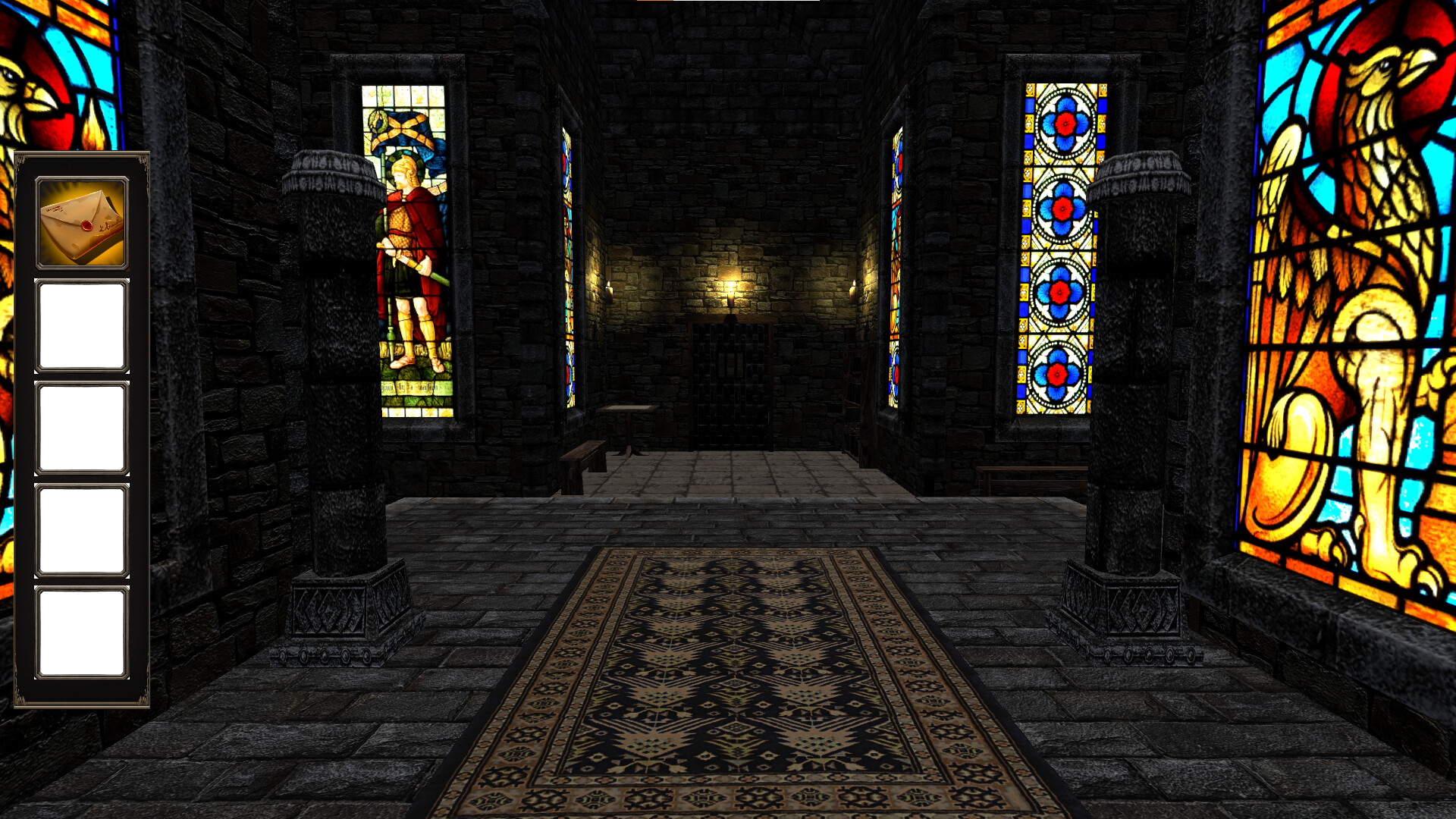
Your inventory is limited to just five items at any given time. If you need to pick something else up, you’ll have to drop an item to make room. Items are dropped by clicking on them in your inventory with the left mouse button and then clicking on the spot in the environment where you want them placed. Right-clicking allows you to examine them for clues.
Crucially, dropping an item is also how you use it. There are no automatic prompts when you’ve found the right spot. Items will only function if placed correctly in the environment. When done right, they’ll snap into position with an audible cue, and something nearby, often a door, will open with a quick cutscene so you can see what your actions have caused.
It’s important to handle items with care. Dropping something behind a static piece of scenery or into an unreachable space means it’s lost forever. This can be especially problematic with key items. The game saves your inventory at checkpoints, but if you’ve lost or dropped a necessary object and the game auto-saves, you’ll be stuck. The only option at that point is to restart the current chapter.
The story unfolds across five chapters, each taking place in a different location. These areas aren’t massive, but they can expand when you unlock new passages or open doors. Because spotting crucial items can be so difficult, the game includes a helpful hint system. If you’re stuck for more than a couple of minutes, a hint will appear, gradually escalating from a vague nudge in the right direction to a detailed solution.
Puzzles are a bit repetitive because they follow a bunch of the same mechanics. There’s a lot of candles that need to be placed, walking on the right spot and dropping something on them, pressing some switches, and entering numbers in keypads. Light plays a big role and will sometime shine to lead you to the right spot.
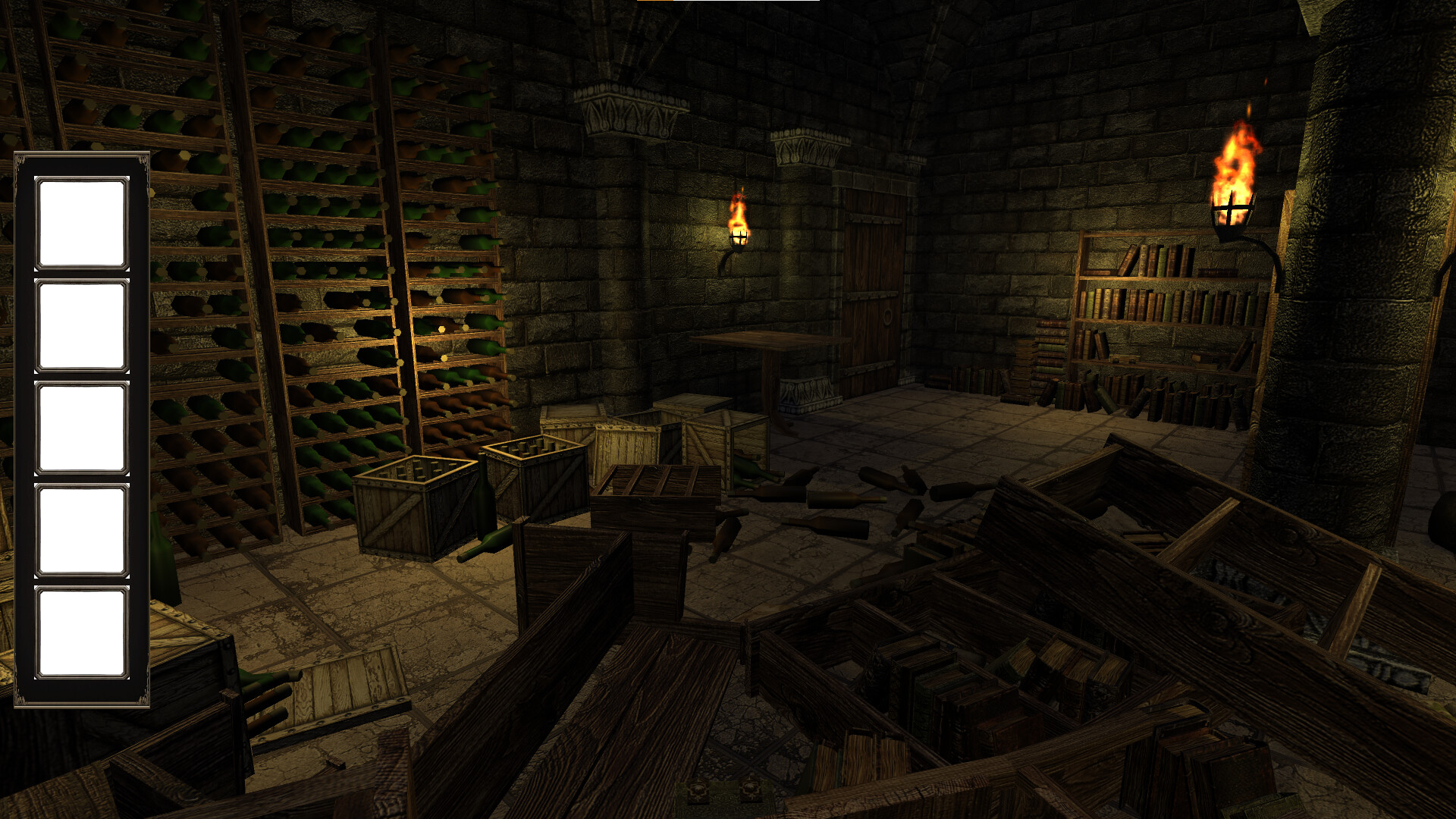
For players seeking full completion, there are optional secrets scattered throughout the chapter such as hidden rooms, books, and interactions that contribute to achievements. These can be tricky, especially when you need to find a specific book among several bookcases, but these little extras don’t have to be discovered during your first run because a stage select unlocks when you beat the game. Lastly, the game sets the stage for a sequel, so you don’t get the full ending.
In this first-person adventure game, you take on the role of a healer who’s been urgently summoned by a close friend. He’s in trouble and needs your help, asking you to meet him and his companion at a local inn. However, when you arrive, the place is eerily deserted.
The streets are empty, the inn is silent, and it seems as though the entire city has vanished into thin air. Your only lead is the realization that your friend may have escaped through a hidden passage beneath the inn, which lead all the way to the catacombs and cathedral.
Unlike traditional point-and-click adventures, this game gives you complete control over your movement. You can freely walk around the room as long as there’s no physical barrier in your way. While you can run, there’s no jumping or any kind of action button beyond basic navigation. However, camera is a bit different: you only move your view by holding down the right mouse button and moving the mouse. Otherwise, the mouse functions as a cursor for interacting with the environment using the left mouse button.
One key challenge lies in the way you interact with objects. There are no highlighted paths, glowing waypoints, or pop-up item names when you hover your cursor. Everything blends seamlessly into the 3D environment, making it tricky to identify which objects are usable or collectible. You’ll often find yourself clicking on various items, a specific candle in a room full of candles, or a particular piece of cheese on a cluttered table, just to discover what’s interactive and what’s merely decorative.
Proximity is another critical aspect. You need to be standing very close to an item or hotspot for it to respond. Early in the game, this might lead to confusion: you’ll try clicking something with no result, only to take a few steps forward and have it suddenly work.
Your inventory is limited to just five items at any given time. If you need to pick something else up, you’ll have to drop an item to make room. Items are dropped by clicking on them in your inventory with the left mouse button and then clicking on the spot in the environment where you want them placed. Right-clicking allows you to examine them for clues.
Crucially, dropping an item is also how you use it. There are no automatic prompts when you’ve found the right spot. Items will only function if placed correctly in the environment. When done right, they’ll snap into position with an audible cue, and something nearby, often a door, will open with a quick cutscene so you can see what your actions have caused.
It’s important to handle items with care. Dropping something behind a static piece of scenery or into an unreachable space means it’s lost forever. This can be especially problematic with key items. The game saves your inventory at checkpoints, but if you’ve lost or dropped a necessary object and the game auto-saves, you’ll be stuck. The only option at that point is to restart the current chapter.
The story unfolds across five chapters, each taking place in a different location. These areas aren’t massive, but they can expand when you unlock new passages or open doors. Because spotting crucial items can be so difficult, the game includes a helpful hint system. If you’re stuck for more than a couple of minutes, a hint will appear, gradually escalating from a vague nudge in the right direction to a detailed solution.
Puzzles are a bit repetitive because they follow a bunch of the same mechanics. There’s a lot of candles that need to be placed, walking on the right spot and dropping something on them, pressing some switches, and entering numbers in keypads. Light plays a big role and will sometime shine to lead you to the right spot.
For players seeking full completion, there are optional secrets scattered throughout the chapter such as hidden rooms, books, and interactions that contribute to achievements. These can be tricky, especially when you need to find a specific book among several bookcases, but these little extras don’t have to be discovered during your first run because a stage select unlocks when you beat the game. Lastly, the game sets the stage for a sequel, so you don’t get the full ending.
6 found helpful
Steam ↗