▲ Recommended
9 hrs
Desk Rage takes the familiar idea of a desktop companion and twists it into a strange combination of virtual pet, stress toy, and slapstick punching bag. Developed by Pressure Valve Studio and published by IdleCraft Interactive, the game is designed to remain accessible while other programs are being used, allowing its small character to inhabit the player's desktop rather than demanding a conventional full-screen gaming session. This immediately establishes its identity as something meant for occasional interaction throughout the day rather than a traditional game built around lengthy levels or a story-driven campaign.
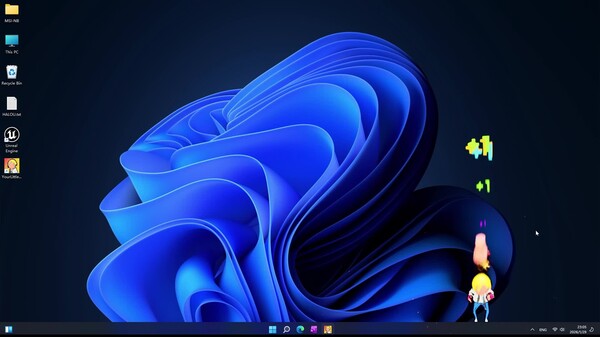
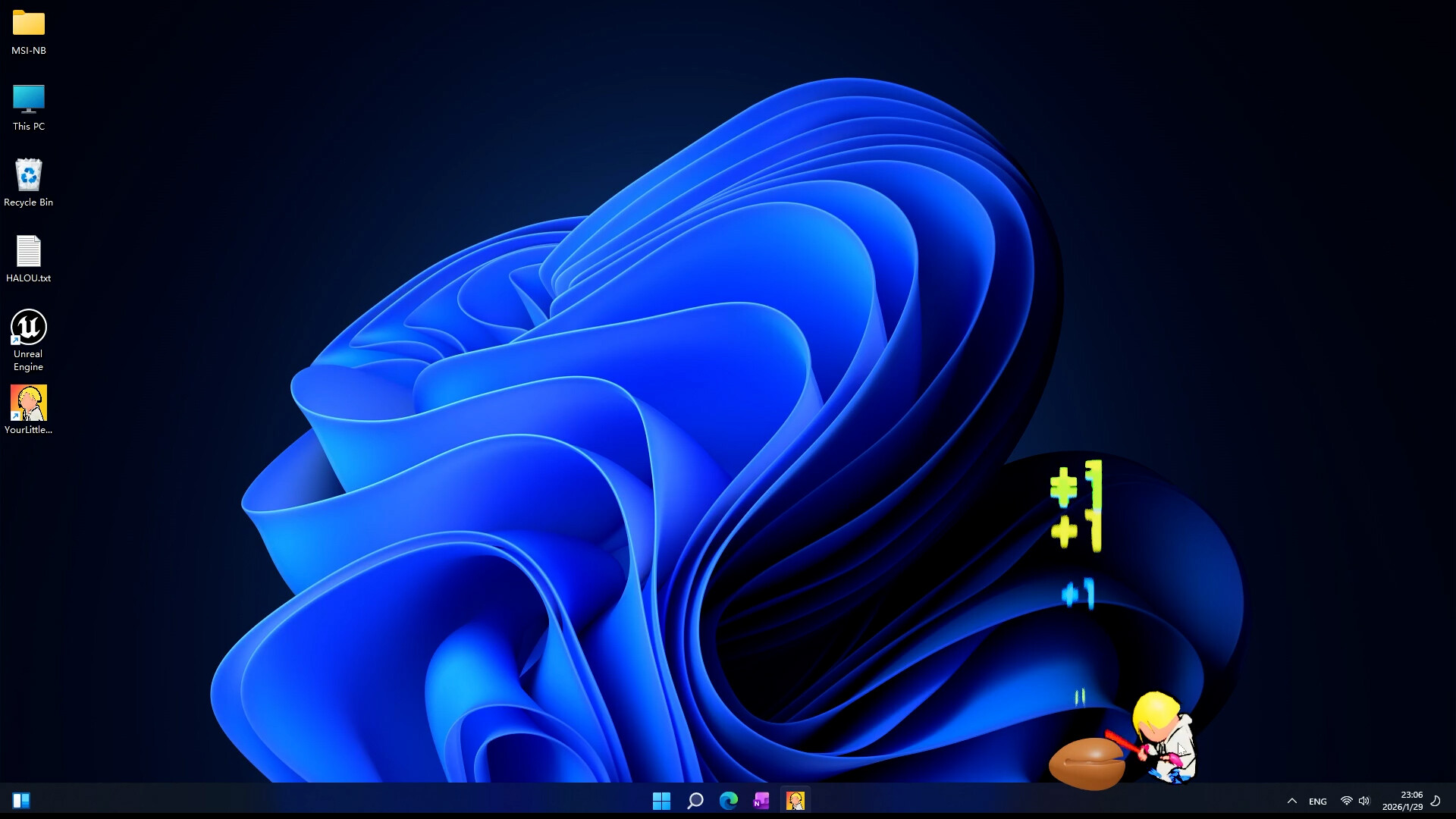
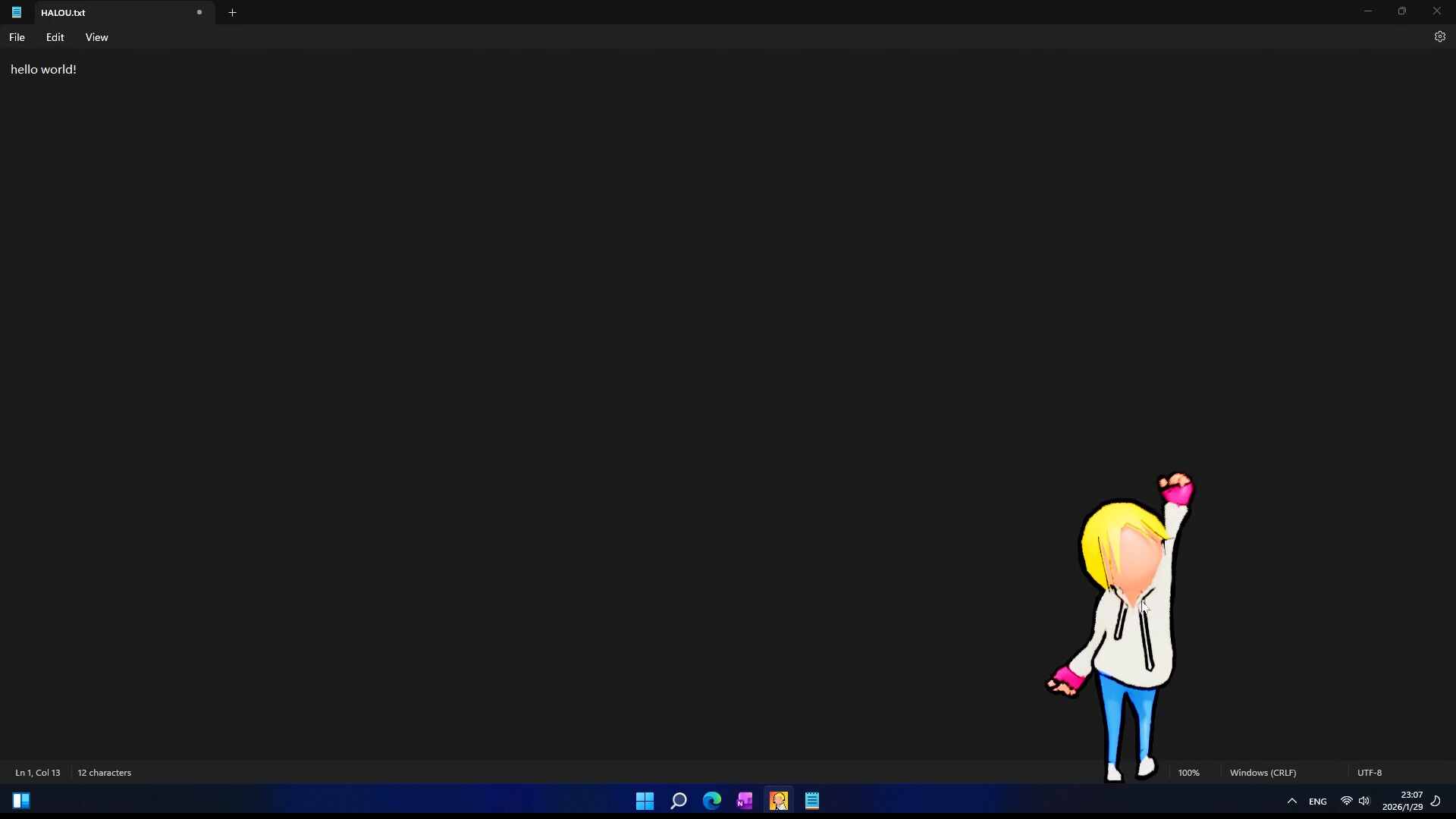
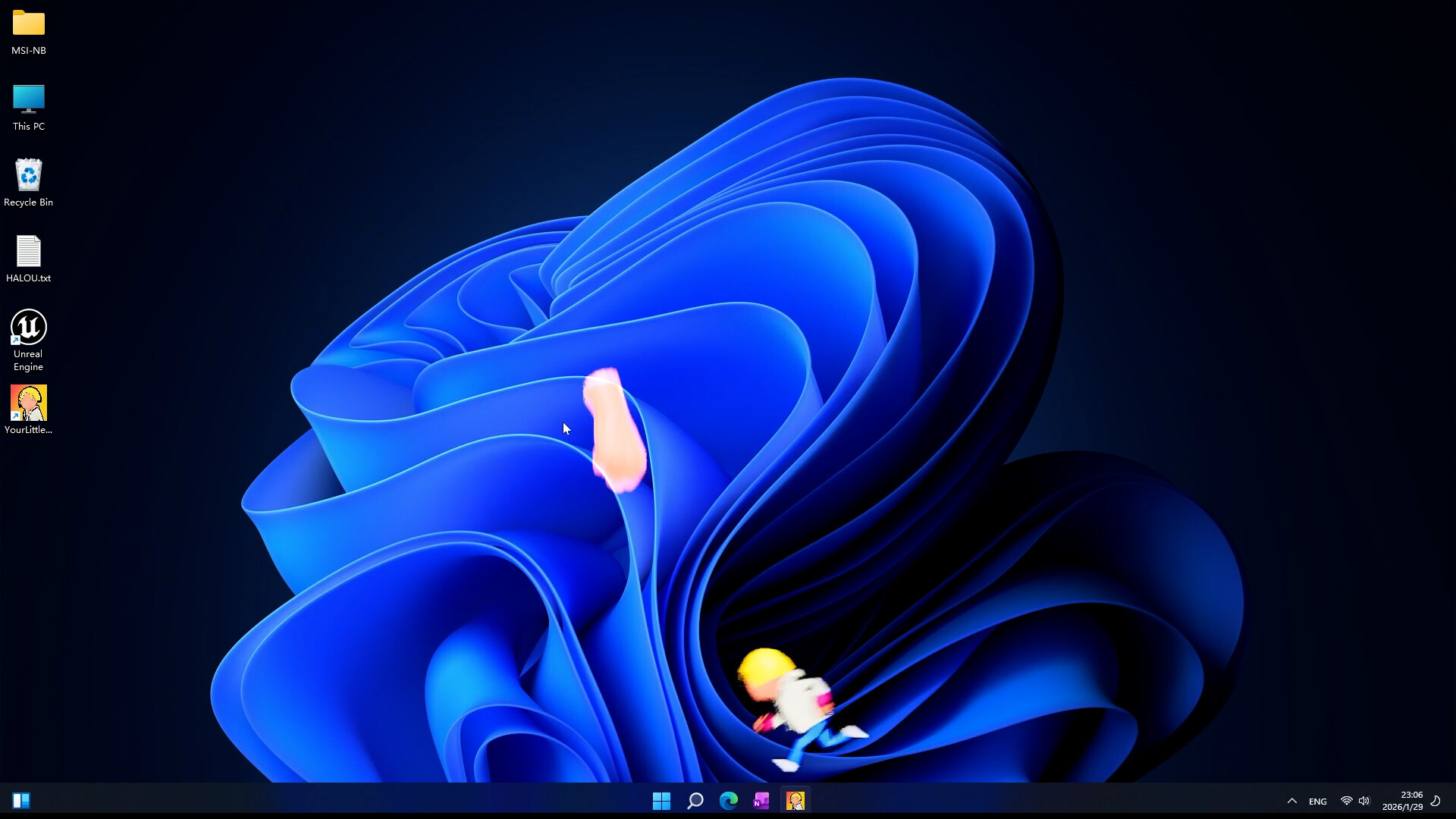
The character is the center of virtually everything Desk Rage offers. Players can grab him with the mouse, drag him around the desktop, release him, and watch him tumble or roll after landing. He also reacts to the cursor, giving the impression that there is a small interactive resident occupying the screen. Right-clicking provides access to additional activities, turning what initially appears to be a simple desktop mascot into a more elaborate collection of humorous interactions.
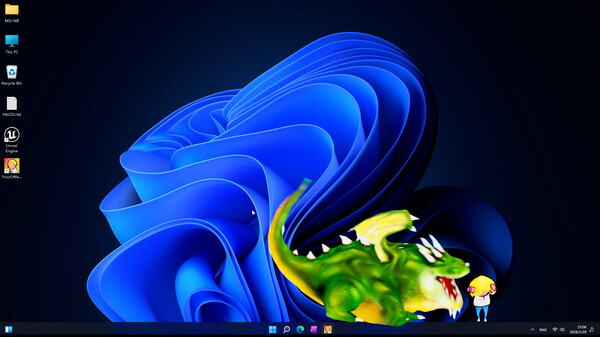
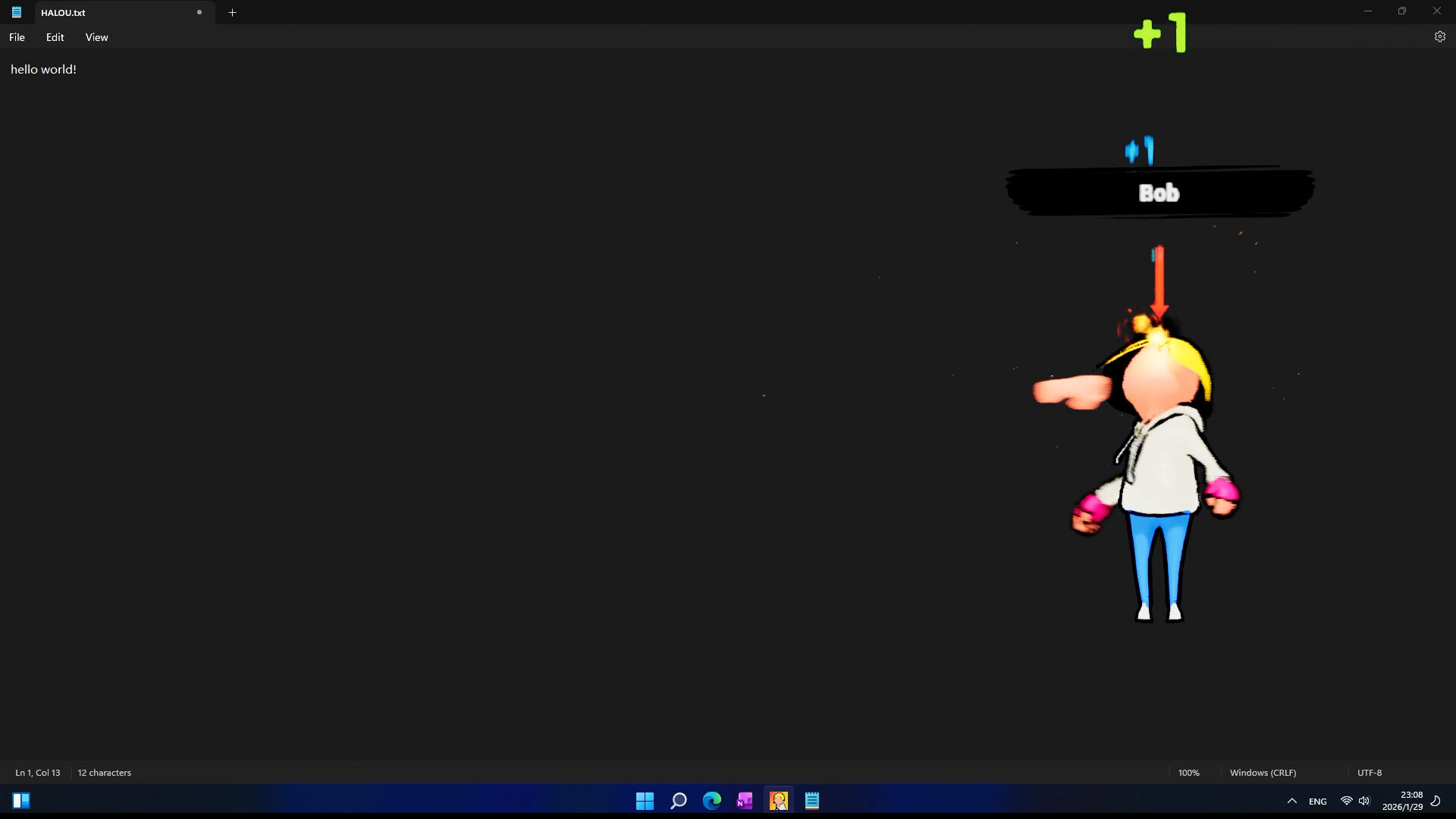
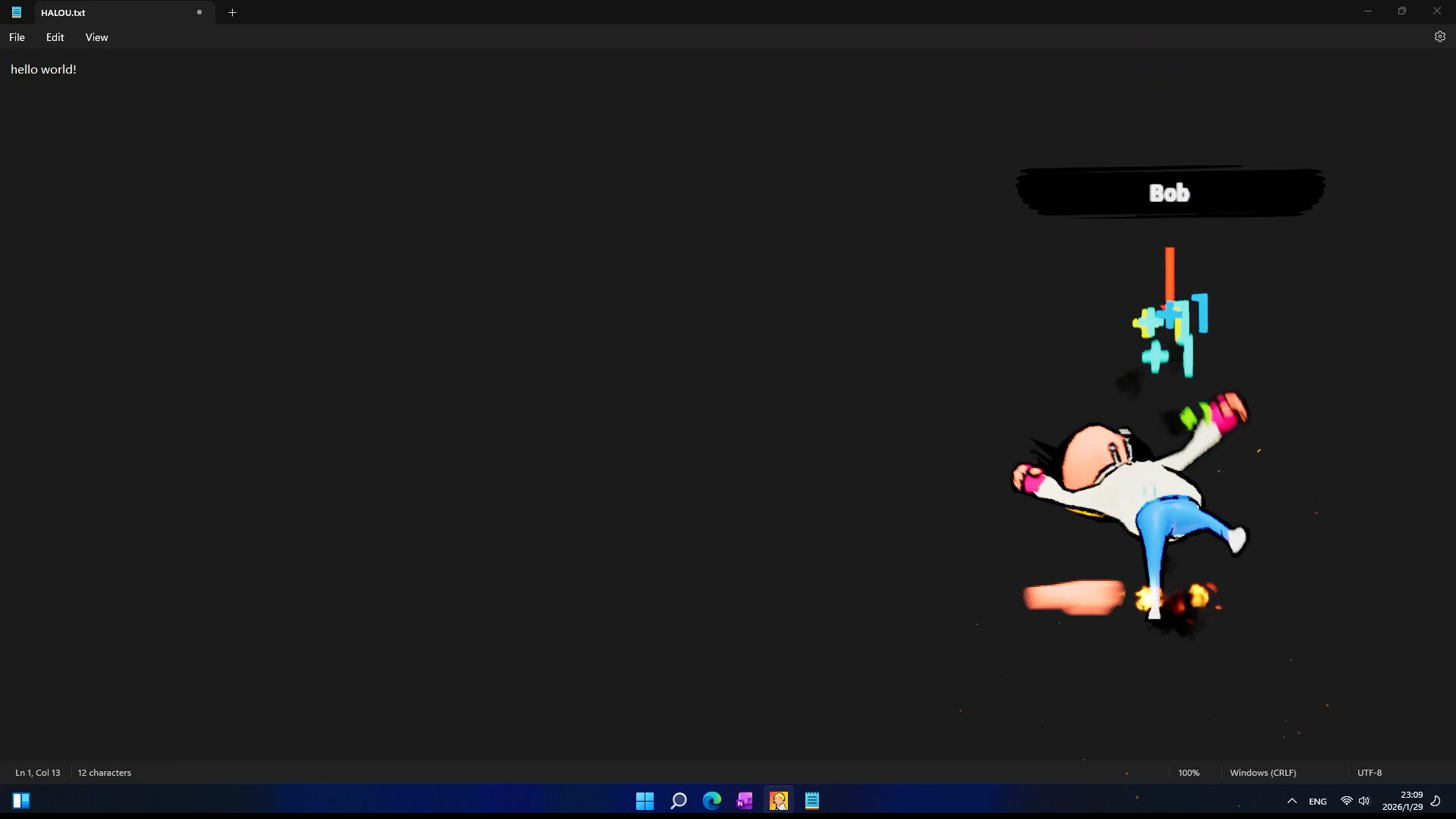
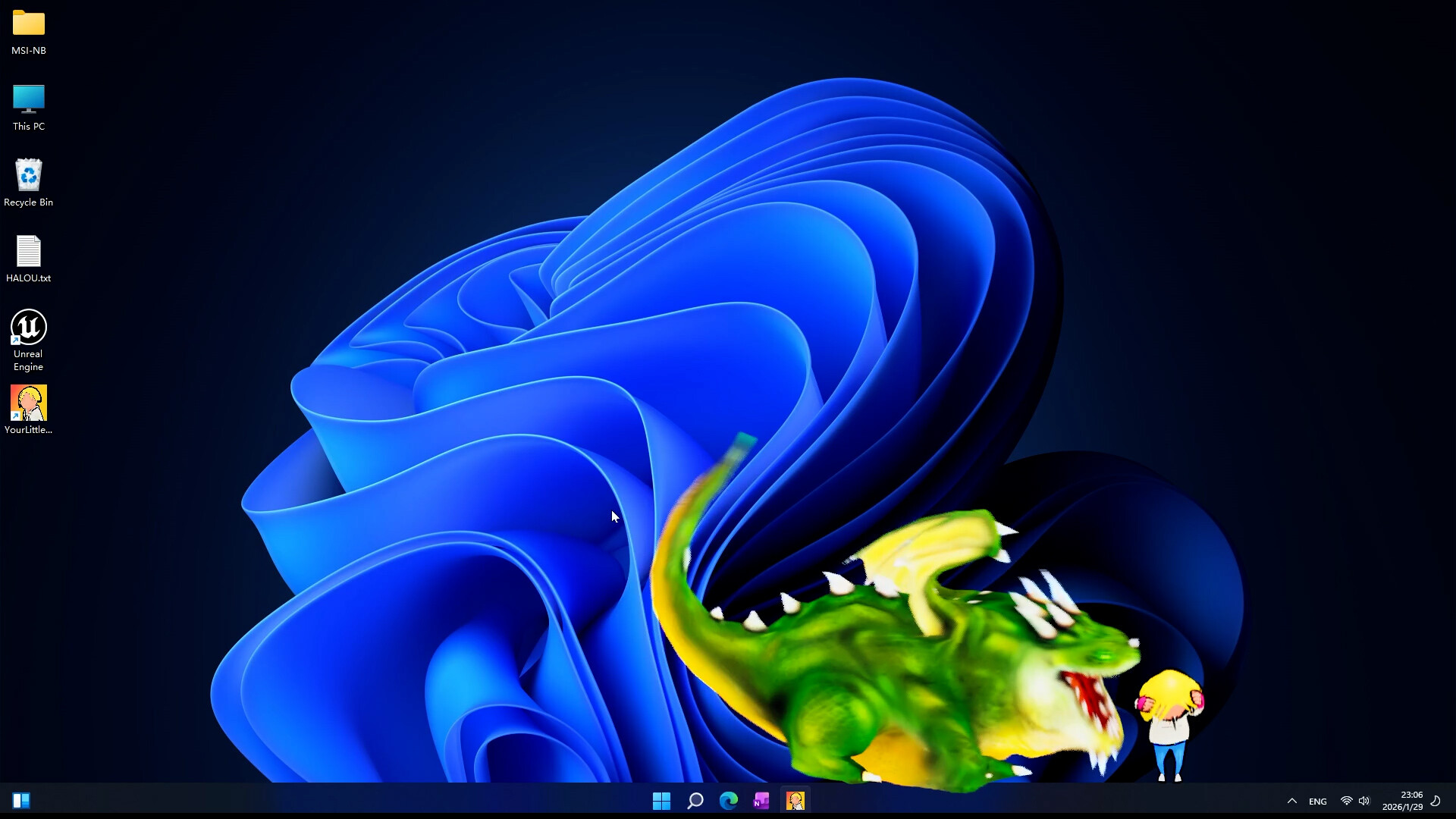
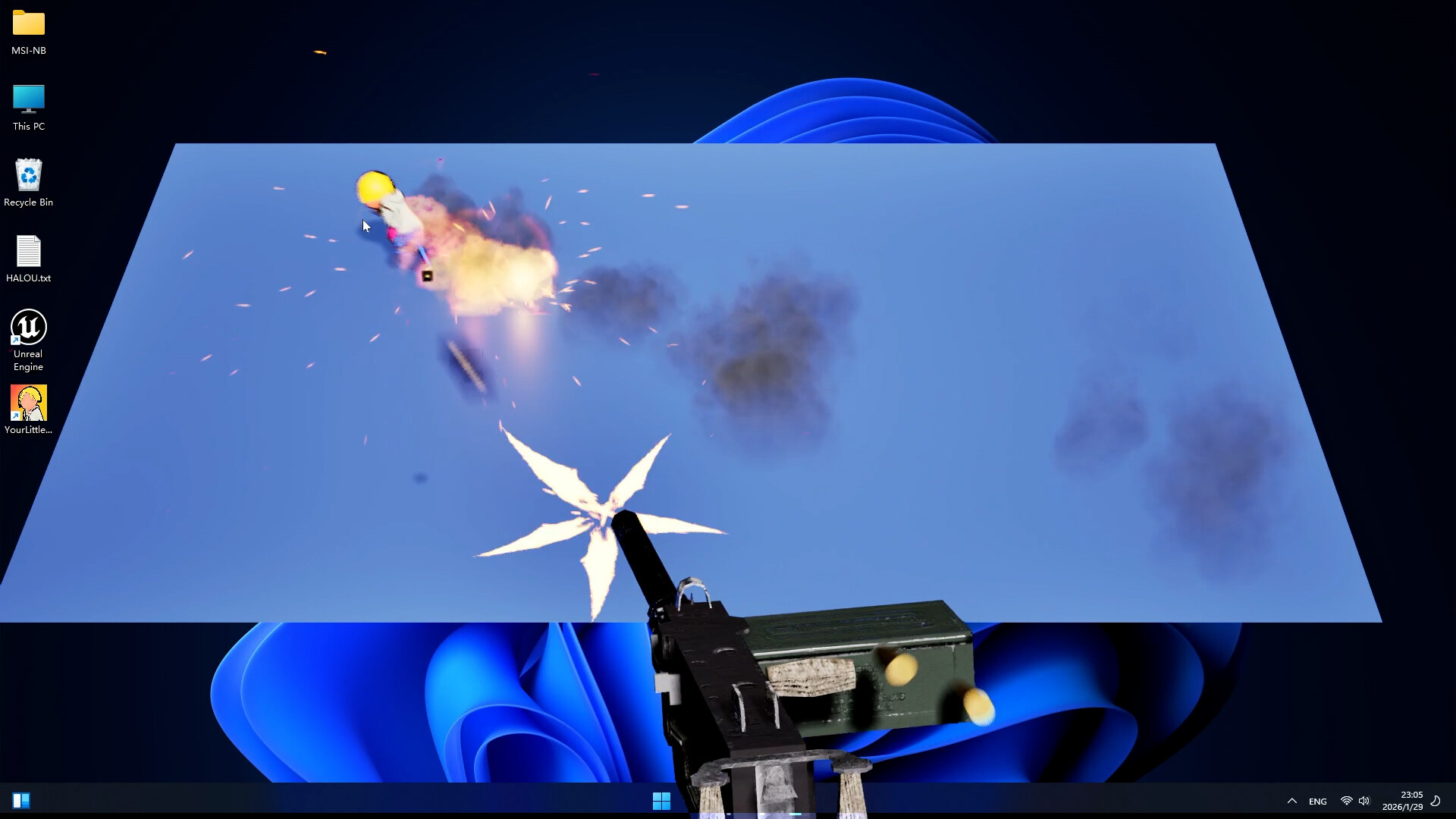
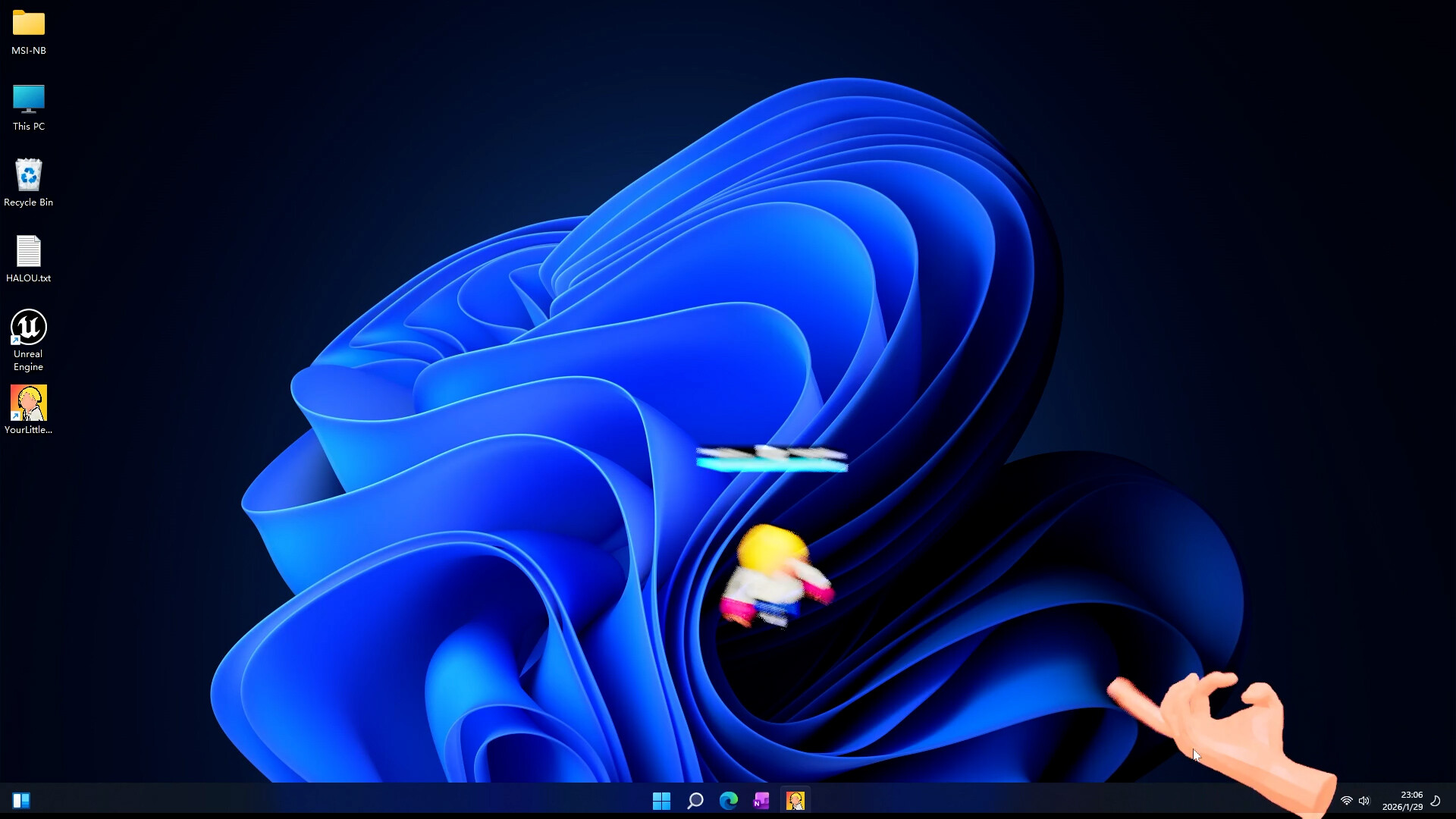
Much of the entertainment comes from the intentionally ridiculous ways players can torment the character. The Invincible Flying Fist sends fists toward him and produces different responses depending on where he is struck. Heavenly Fist adds an element of timing, requiring players to anticipate his movements before attacking and rewarding successful attempts with Kung Fu experience. Finger Flick provides another straightforward method of sending him flying, while Summon Monster introduces an oversized creature capable of eating the unfortunate desktop resident. The Gatling Gun pushes the concept even further as the character attempts to escape the barrage. Although these actions are violent in concept, their exaggerated presentation makes them function primarily as cartoon comedy rather than realistic brutality.
Importantly, the game is not exclusively about beating up its mascot. Zen Mode provides a completely different activity centered on rhythmically striking a wooden fish, creating a quieter diversion that fits the game's stress-management theme from the opposite direction. Instead of expressing frustration through chaotic attacks, players can engage with something deliberately calmer. Dance Mode similarly changes the mood by allowing the character to celebrate. These contrasting activities help Desk Rage feel more versatile than its title initially suggests.
This emotional flexibility is one of its more appealing ideas. A frustrating work session or difficult game can be followed by a few moments of ridiculous desktop destruction, while a successful moment can be accompanied by the character dancing. Streamers may also find some novelty in using the companion as a visual reaction between games or during desktop segments. Desk Rage therefore works almost as a small mood indicator, with its different activities reflecting whether the player feels irritated, relaxed, or celebratory.
There is also a modest progression component. Kung Fu experience gives certain interactions a sense of advancement, while the Steam achievement system encourages players to experiment with what the application offers. These elements provide additional objectives without overwhelming the deliberately casual design. Desk Rage clearly is not trying to become an elaborate role-playing game or management simulator. Its progression instead provides just enough structure to make repeated interactions feel somewhat purposeful.
The greatest potential weakness is repetition. The novelty of throwing a desktop character around, firing weapons at him, summoning a monster, or watching his reactions can be entertaining initially, but the experience depends heavily on how long those interactions continue to amuse the individual player. Anyone expecting hours of continuously evolving gameplay could exhaust the major attractions relatively quickly. Desk Rage makes considerably more sense as software that stays available in the background and receives a few minutes of attention whenever the mood strikes.
Its presentation suits that purpose well. The cartoon-like approach keeps the exaggerated violence playful, while the character's physical reactions give even simple mouse interactions personality. Having the desktop itself effectively become the play area is arguably more important than graphical complexity. The appeal comes from seeing the mascot coexist with ordinary computer activity, making him feel less like a character confined inside a game world and more like an interactive object attached to the computer environment.
The relatively modest system requirements also complement this background-oriented philosophy. Desk Rage supports 64-bit Windows 10 and Windows 11, with minimum hardware requirements that include an Intel i3-6100 or AMD FX-4350, 4 GB of RAM, DirectX 11-compatible graphics around the Intel HD 520 or GeForce GT 730 range, and approximately 2 GB of storage. Recommended specifications increase the processor, memory, and graphics requirements, but the overall demands remain reasonable. Steam features include single-player functionality, achievements, and Family Sharing, while multiple interface and subtitle languages broaden accessibility.
Ultimately, Desk Rage is most successful when treated as an interactive desktop novelty rather than a conventional game. Pressure Valve Studio has built its identity around immediacy, humor, exaggerated character reactions, and the contrast between destructive stress relief and calmer activities. The limited number of fundamental interaction types means repetition will eventually become noticeable, but that matters less when the software is enjoyed in short bursts instead of marathon sessions. Publisher IdleCraft Interactive is presenting a product with a very specific audience: players who enjoy desktop companions, idle distractions, unusual virtual toys, and deliberately silly humor.
Rating: 6/10
The character is the center of virtually everything Desk Rage offers. Players can grab him with the mouse, drag him around the desktop, release him, and watch him tumble or roll after landing. He also reacts to the cursor, giving the impression that there is a small interactive resident occupying the screen. Right-clicking provides access to additional activities, turning what initially appears to be a simple desktop mascot into a more elaborate collection of humorous interactions.
Much of the entertainment comes from the intentionally ridiculous ways players can torment the character. The Invincible Flying Fist sends fists toward him and produces different responses depending on where he is struck. Heavenly Fist adds an element of timing, requiring players to anticipate his movements before attacking and rewarding successful attempts with Kung Fu experience. Finger Flick provides another straightforward method of sending him flying, while Summon Monster introduces an oversized creature capable of eating the unfortunate desktop resident. The Gatling Gun pushes the concept even further as the character attempts to escape the barrage. Although these actions are violent in concept, their exaggerated presentation makes them function primarily as cartoon comedy rather than realistic brutality.
Importantly, the game is not exclusively about beating up its mascot. Zen Mode provides a completely different activity centered on rhythmically striking a wooden fish, creating a quieter diversion that fits the game's stress-management theme from the opposite direction. Instead of expressing frustration through chaotic attacks, players can engage with something deliberately calmer. Dance Mode similarly changes the mood by allowing the character to celebrate. These contrasting activities help Desk Rage feel more versatile than its title initially suggests.
This emotional flexibility is one of its more appealing ideas. A frustrating work session or difficult game can be followed by a few moments of ridiculous desktop destruction, while a successful moment can be accompanied by the character dancing. Streamers may also find some novelty in using the companion as a visual reaction between games or during desktop segments. Desk Rage therefore works almost as a small mood indicator, with its different activities reflecting whether the player feels irritated, relaxed, or celebratory.
There is also a modest progression component. Kung Fu experience gives certain interactions a sense of advancement, while the Steam achievement system encourages players to experiment with what the application offers. These elements provide additional objectives without overwhelming the deliberately casual design. Desk Rage clearly is not trying to become an elaborate role-playing game or management simulator. Its progression instead provides just enough structure to make repeated interactions feel somewhat purposeful.
The greatest potential weakness is repetition. The novelty of throwing a desktop character around, firing weapons at him, summoning a monster, or watching his reactions can be entertaining initially, but the experience depends heavily on how long those interactions continue to amuse the individual player. Anyone expecting hours of continuously evolving gameplay could exhaust the major attractions relatively quickly. Desk Rage makes considerably more sense as software that stays available in the background and receives a few minutes of attention whenever the mood strikes.
Its presentation suits that purpose well. The cartoon-like approach keeps the exaggerated violence playful, while the character's physical reactions give even simple mouse interactions personality. Having the desktop itself effectively become the play area is arguably more important than graphical complexity. The appeal comes from seeing the mascot coexist with ordinary computer activity, making him feel less like a character confined inside a game world and more like an interactive object attached to the computer environment.
The relatively modest system requirements also complement this background-oriented philosophy. Desk Rage supports 64-bit Windows 10 and Windows 11, with minimum hardware requirements that include an Intel i3-6100 or AMD FX-4350, 4 GB of RAM, DirectX 11-compatible graphics around the Intel HD 520 or GeForce GT 730 range, and approximately 2 GB of storage. Recommended specifications increase the processor, memory, and graphics requirements, but the overall demands remain reasonable. Steam features include single-player functionality, achievements, and Family Sharing, while multiple interface and subtitle languages broaden accessibility.
Ultimately, Desk Rage is most successful when treated as an interactive desktop novelty rather than a conventional game. Pressure Valve Studio has built its identity around immediacy, humor, exaggerated character reactions, and the contrast between destructive stress relief and calmer activities. The limited number of fundamental interaction types means repetition will eventually become noticeable, but that matters less when the software is enjoyed in short bursts instead of marathon sessions. Publisher IdleCraft Interactive is presenting a product with a very specific audience: players who enjoy desktop companions, idle distractions, unusual virtual toys, and deliberately silly humor.
Rating: 6/10
1 found helpful
Steam ↗