▲ Recommended
1 hrs
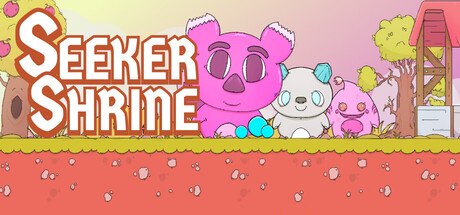
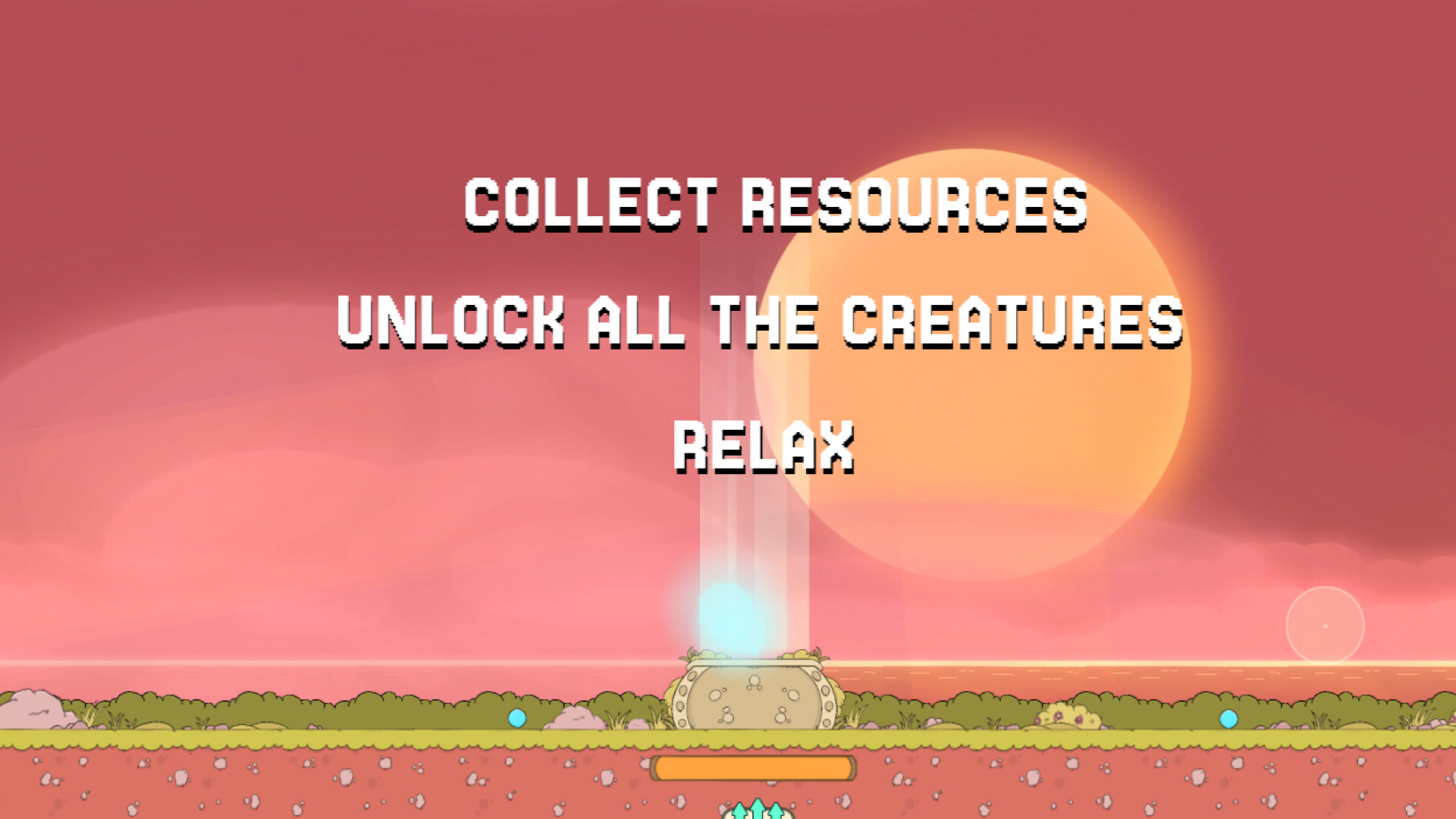
A casual, relaxing idle game with clicker elements and creature collecting. Gather orbs to buy fruit-bearing plants and eggs, which hatch into cute Seekers that you need to care for.
Gameplay:
https://youtu.be/_U9Himw0rbk
Seekers need to be fed, petted, and sent to sleep if they're tired.
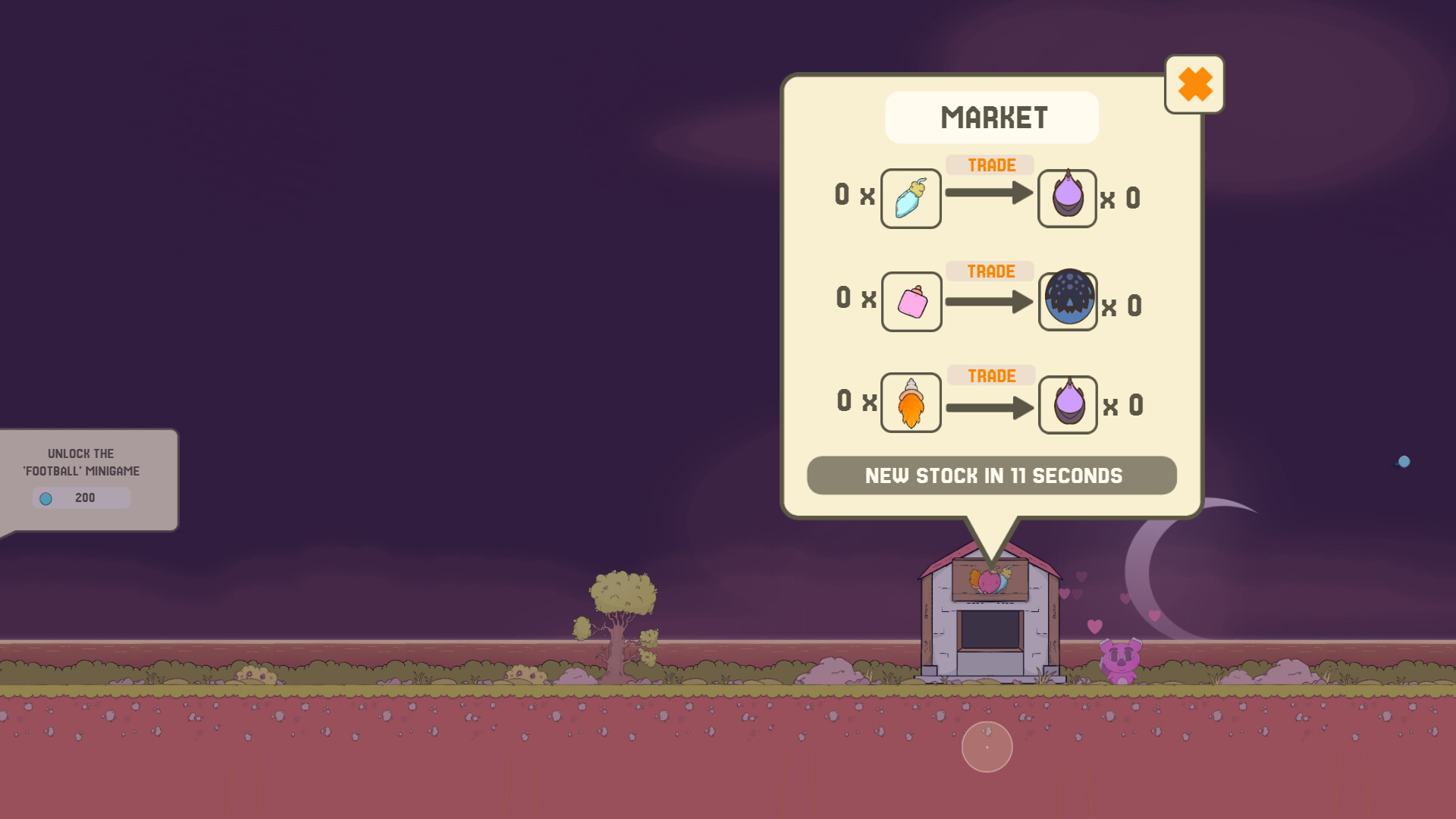
To feed the creatures, you need to buy plants and harvest their fruits. The harvest can be exchanged for other types of fruit at the market.
Seekers don't die of hunger, fatigue, or boredom. They remain sad until you satisfy their desires. When they're happy, you receive orbs.
This cute, simple, and relaxing game is suitable for both children and adults.
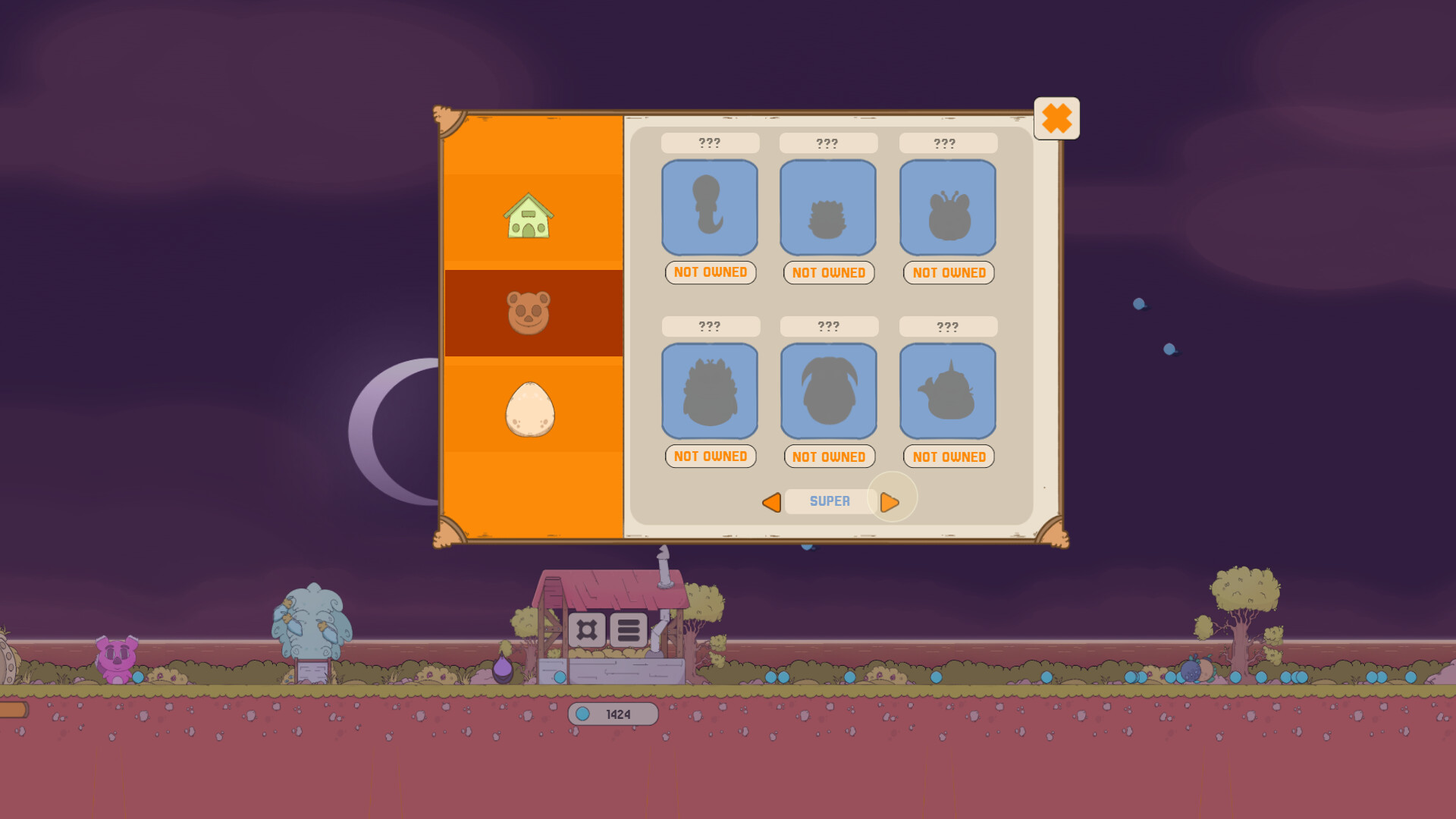
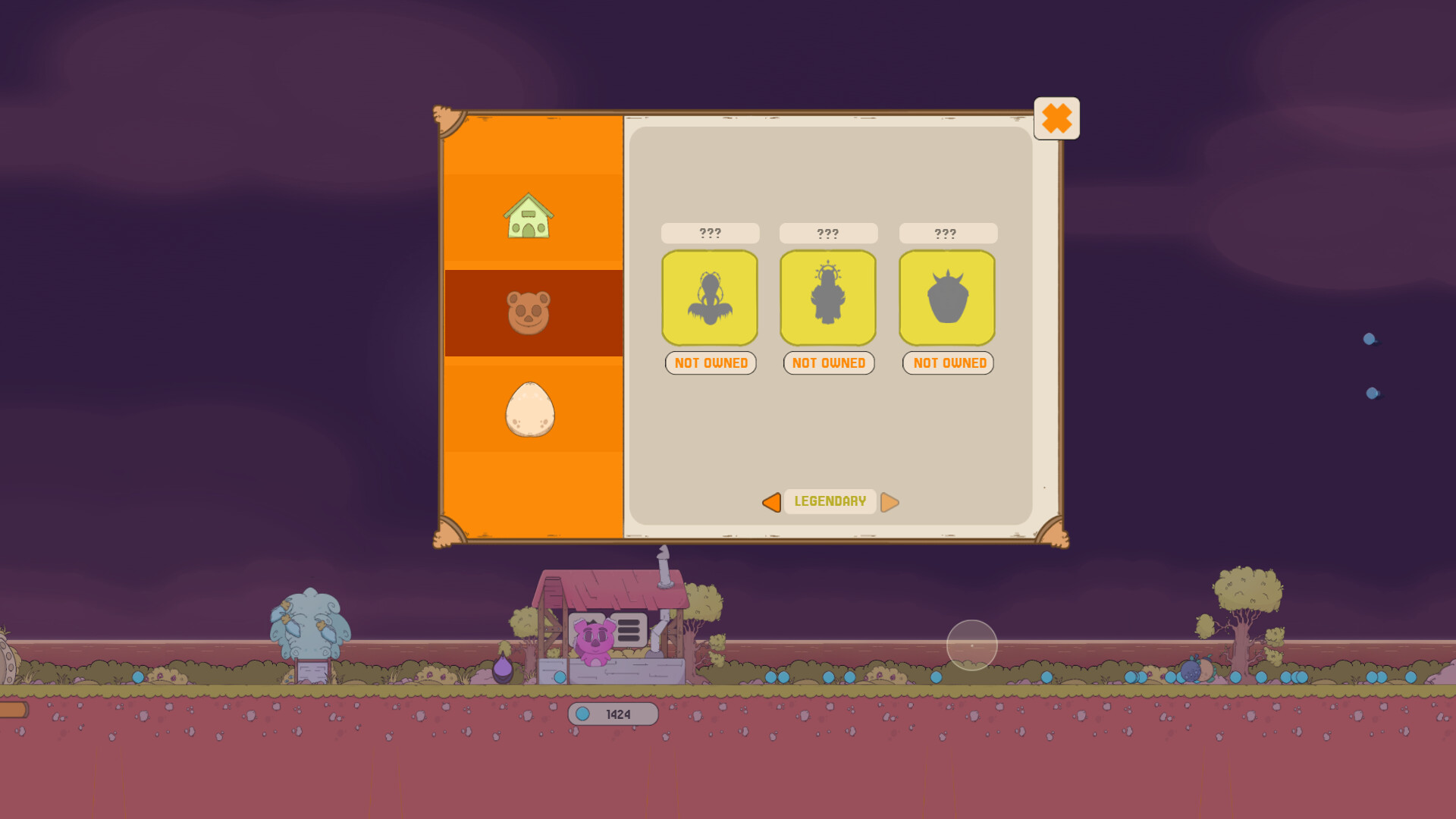
It will take you about 1-2 hours to complete the Seeker collection.
▲ Recommended
3 hrs
Idle & Incremental Lovers wholeheartedly recommends Seeker Shrine :
Really cute and cozy mini creature collector / farming / incremental. Art direction is splendid, core loop is well paced and the game doesn't overstay its welcome. For 1$, it's a steal, it's a steal! + You collect orbs, you unlock things, you gacha eggs... it's that simple, but it's great.
+ You can also sit and watch your creatures, in a colorful and dynamic decor, do the work for you.
+ The creatures share love, there's no villain here!
+ I was never bored during my playtime, I loved enjoying the scenery when there was a little of waiting
+ It's such a cute and charming interlude between two bigger games, or to relax after a hard day's work
+ For 1 dollar, I really felt like I was robbing the dev!
Great job, dev! <3
Hope this review is helpful! Follow my curator page for more Idle & Incremental games recommendations :
Idle & Incremental Lovers Curator page
▲ Recommended
6 hrs
Seeker Shrine developed and published by Jestercraft is a gentle, low-commitment idle experience that blends creature collection with light farming mechanics, all wrapped in a cozy, deliberately slow-paced structure. It’s designed less as a game you actively “play” for hours at a time and more as something you return to periodically—a quiet, companion-like experience that progresses in the background while you focus on other things.
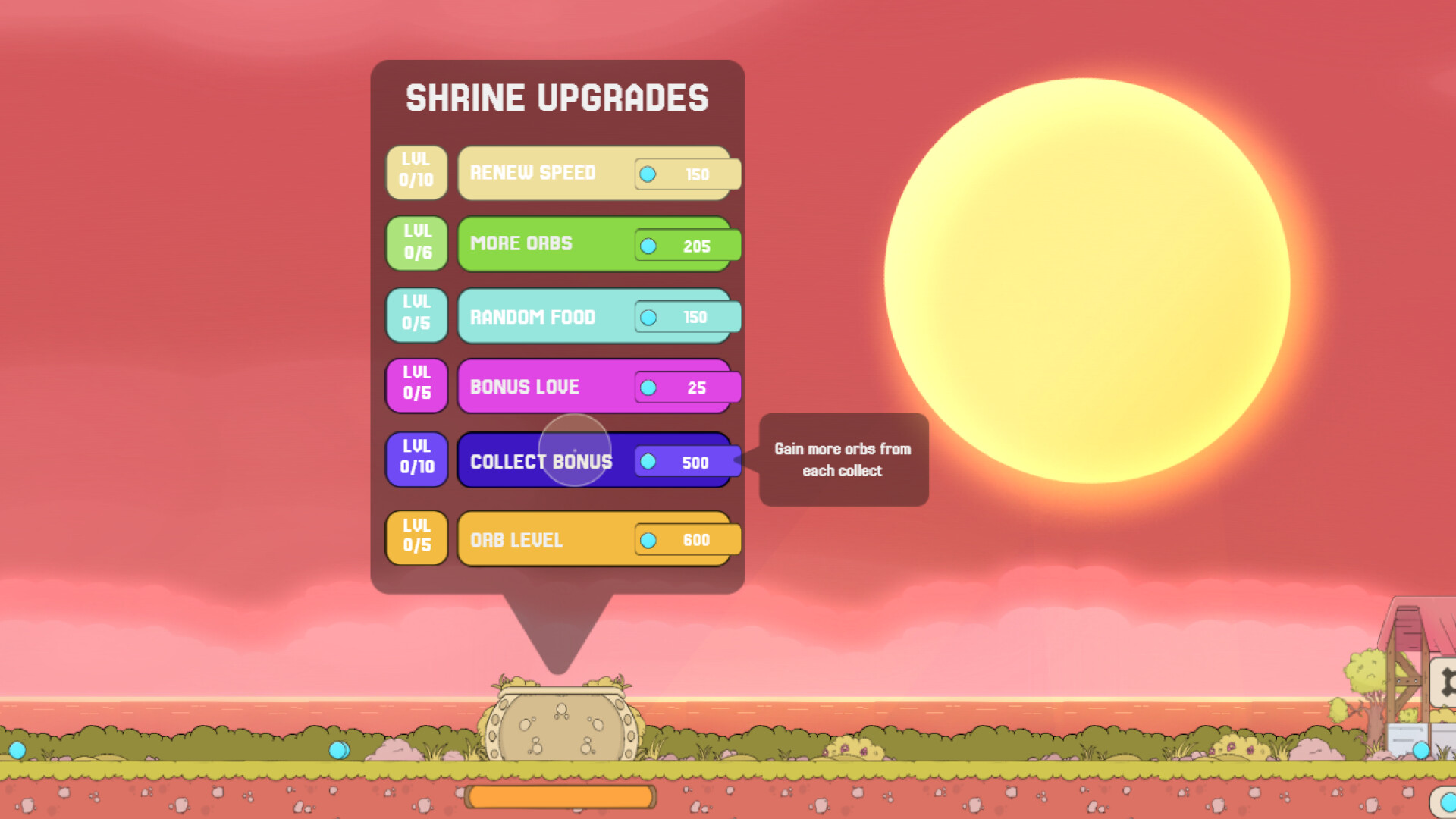
The central gameplay loop revolves around gathering resources and expanding a small shrine ecosystem populated by creatures known as Seekers. Players collect orbs over time and use them to hatch new Seekers, each contributing passive bonuses that help automate and accelerate production. This creates a familiar idle progression cycle: acquire resources, invest them into upgrades or new units, and watch the system grow more efficient. The mechanics are intentionally simple, making it easy to understand within minutes, but they also rely heavily on patience rather than active engagement.
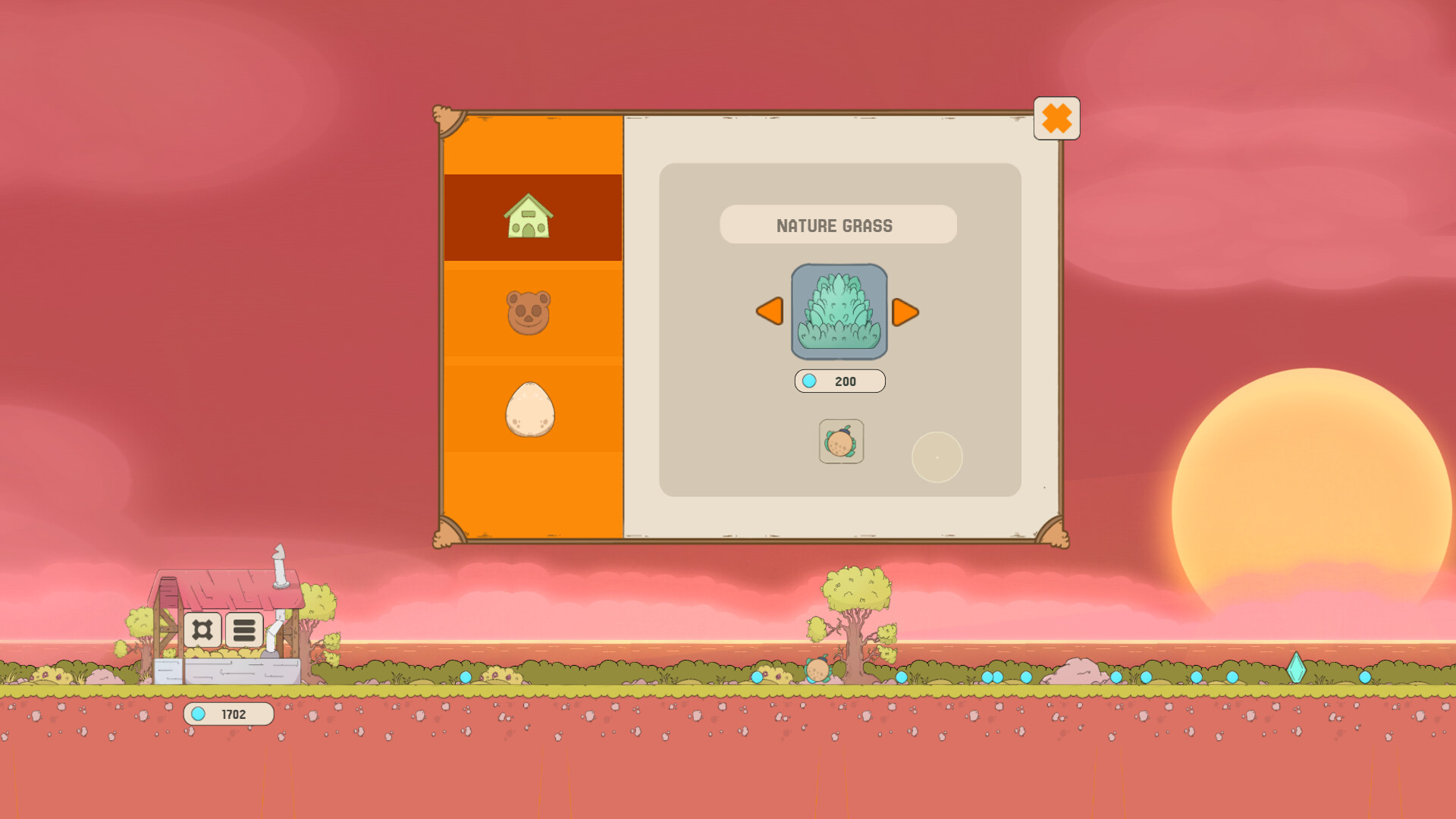
Instead of traditional farming systems that involve planting, watering, and harvesting, Seeker Shrine abstracts these processes into passive generation. Players place decorative elements like trees and plants, which produce food automatically over time. This food is then used to sustain the Seekers, enabling them to activate their abilities and maintain the flow of resources. The result is a loop that feels more like maintaining a living system than actively managing a farm. It reinforces the game’s core philosophy: minimal input, steady output, and a focus on gradual growth rather than moment-to-moment decision-making.
One of the defining features of the game is its pacing. Everything unfolds slowly, encouraging players to check in occasionally rather than remain constantly engaged. Progress continues even when the player is not actively interacting, making it ideal as a background experience. This design creates a relaxing rhythm, where the satisfaction comes from returning to see how much the system has grown. At the same time, this passive approach limits the sense of involvement, as there are few moments where player input significantly alters the outcome.
Progression is tied primarily to collecting new Seekers and improving the efficiency of the shrine. As more creatures are unlocked, their abilities begin to interact in subtle ways, adding a small layer of optimization. However, this complexity remains fairly shallow. The game does not introduce major new mechanics or systems as it progresses, and once the core loop is understood, there is little that fundamentally changes. This makes the experience consistent, but it also means that it can feel repetitive after extended play.
Visually, the game embraces a charming pixel-art style that emphasizes warmth and simplicity. The Seekers themselves are the highlight, with designs that are expressive and appealing, giving the game a sense of personality. The shrine environment is colorful and easy to read, though it lacks significant variety. Customization options allow for some personalization, but they are limited in scope, serving more as minor enhancements than as a core feature.
The audio design complements the visual tone with a soft, unobtrusive soundtrack. Music and sound effects are subtle, creating a calm atmosphere that supports the game’s relaxed pacing. The audio does not demand attention, which aligns with the idea of the game as something that can run in the background. While it lacks standout moments, it effectively reinforces the intended mood.
Where Seeker Shrine begins to show its limitations is in its longevity. The amount of content is relatively small, and the progression system does not expand significantly over time. Once players have unlocked most of the Seekers and optimized their shrine, there is little left to pursue. The absence of deeper systems, challenges, or evolving mechanics makes it difficult to sustain long-term interest, especially for players looking for more active engagement.
Despite these limitations, the game succeeds in delivering a clear and focused experience. It knows exactly what it wants to be: a simple, relaxing idle game that provides a sense of steady growth without requiring constant attention. For players who enjoy low-pressure gameplay and incremental progression, it can be quietly satisfying. It offers a small but pleasant loop that fits easily into short breaks or background play.
In the end, Seeker Shrine is best appreciated as a lightweight, companion-style experience rather than a fully developed simulation. It delivers charm and accessibility, but within a narrow framework that does not evolve significantly. For the right audience, it can be a calming and enjoyable addition to a daily routine. For others, its simplicity and limited scope may make it feel too brief to leave a lasting impression.
Rating: 7/10