
▲ Recommended
9 hrs
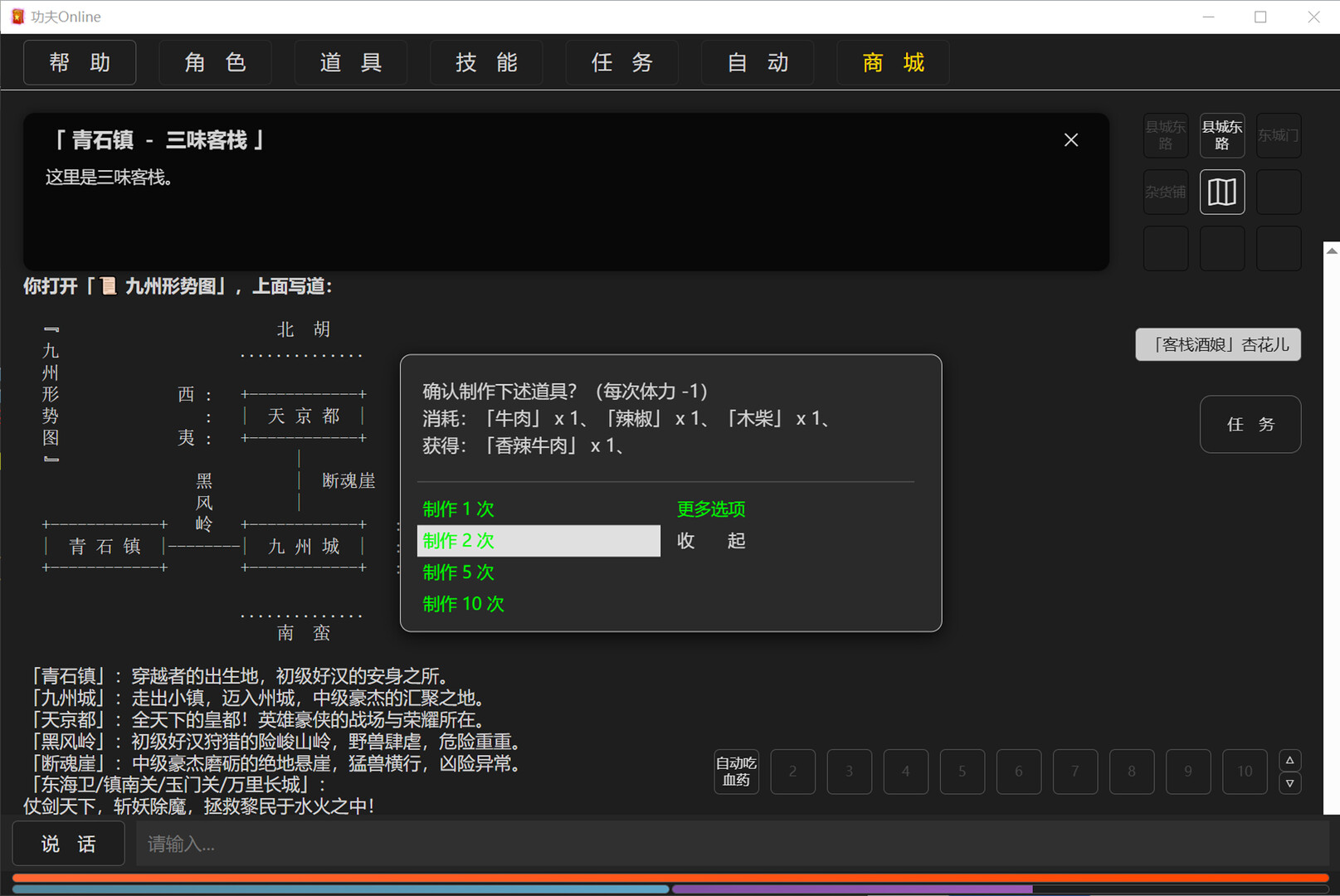
功夫Online is a free-to-play role-playing game that approaches the martial arts fantasy from a distinctly relaxed and automation-heavy direction. Developed and published by KungFu9.com, the game blends kung fu themes, character progression, exploration, equipment gathering, idle mechanics, and text-driven storytelling. Instead of building its entire appeal around demanding real-time battles, it concentrates on the pleasure of gradually strengthening a character and expanding their capabilities. The result is an experience aimed primarily at players who enjoy long-term progression and frequent rewards without having to personally manage every attack or movement.
Character development is one of the most important parts of the experience. The martial arts theme provides a fitting framework for becoming progressively stronger, learning different forms of kung fu, obtaining better equipment, and developing a character capable of handling increasingly difficult challenges. There is a satisfying power-fantasy element behind this structure because advancement represents more than simply increasing a level counter. The player is effectively cultivating a martial artist and steadily turning that character into a much more formidable figure. Players who enjoy RPGs largely because of their progression systems should find this aspect particularly appealing.
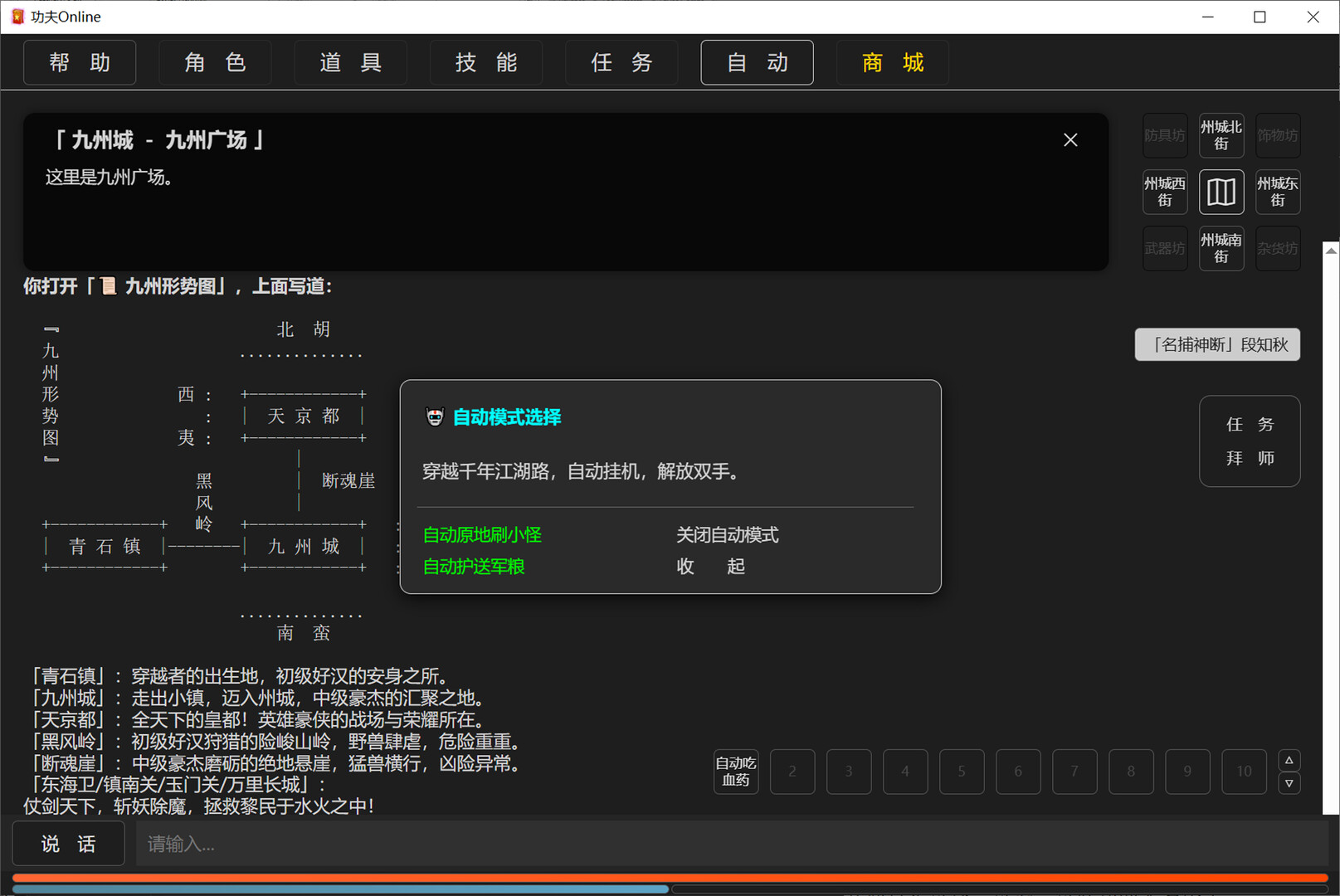
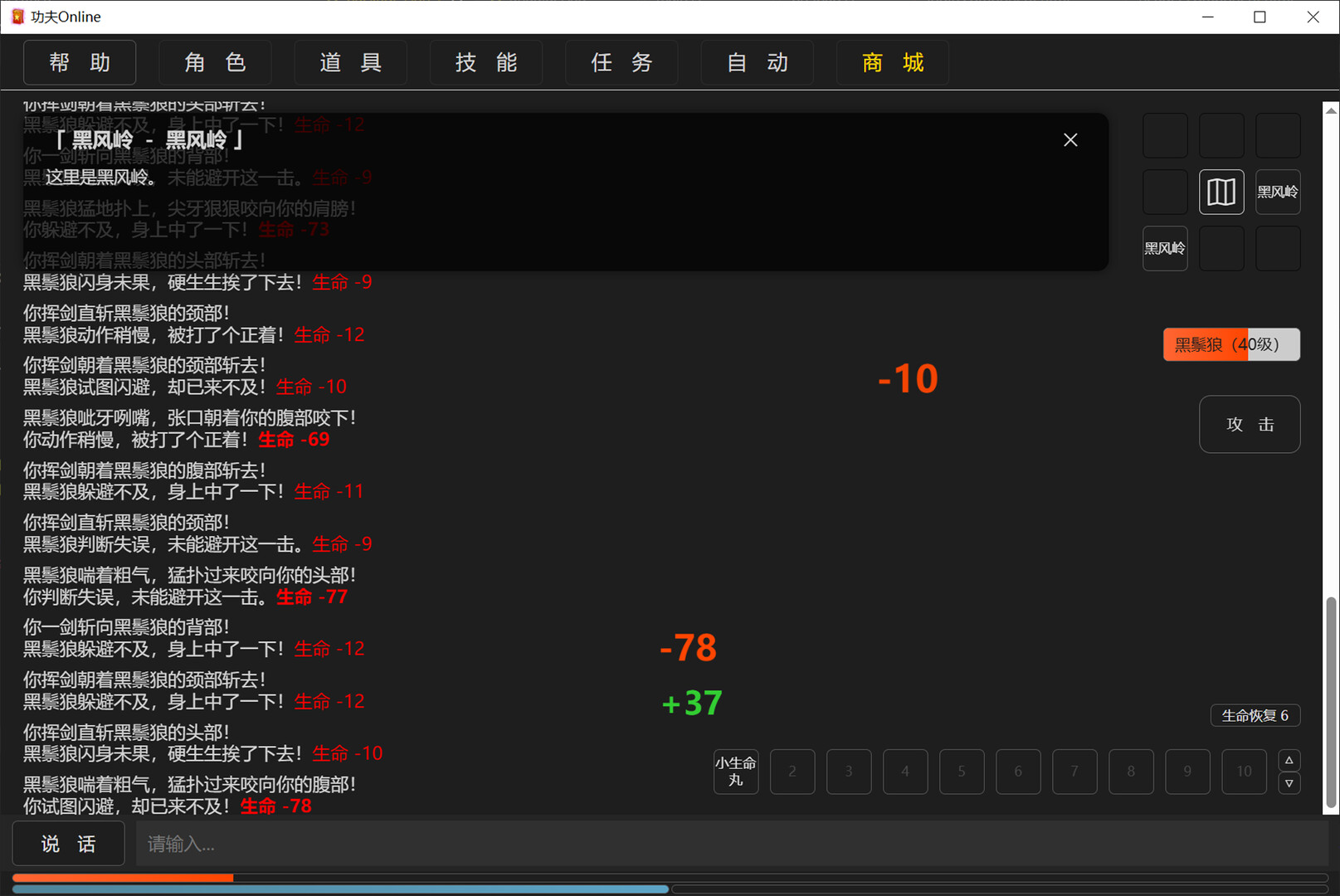
Combat is considerably more passive than what might be expected from a conventional martial arts game. Automatic fighting allows encounters to progress without requiring constant commands, while idle systems further reduce the amount of repetitive interaction involved in building up the character. This makes grinding easier to tolerate and gives the game a casual rhythm that works well for players who prefer checking their progress periodically rather than remaining intensely focused at all times. The disadvantage is that battles can lack the physical involvement and mechanical satisfaction found in action-oriented kung fu games. Players hoping to master complicated combinations, precise dodges, counters, or highly technical martial arts systems may find the automation too detached.
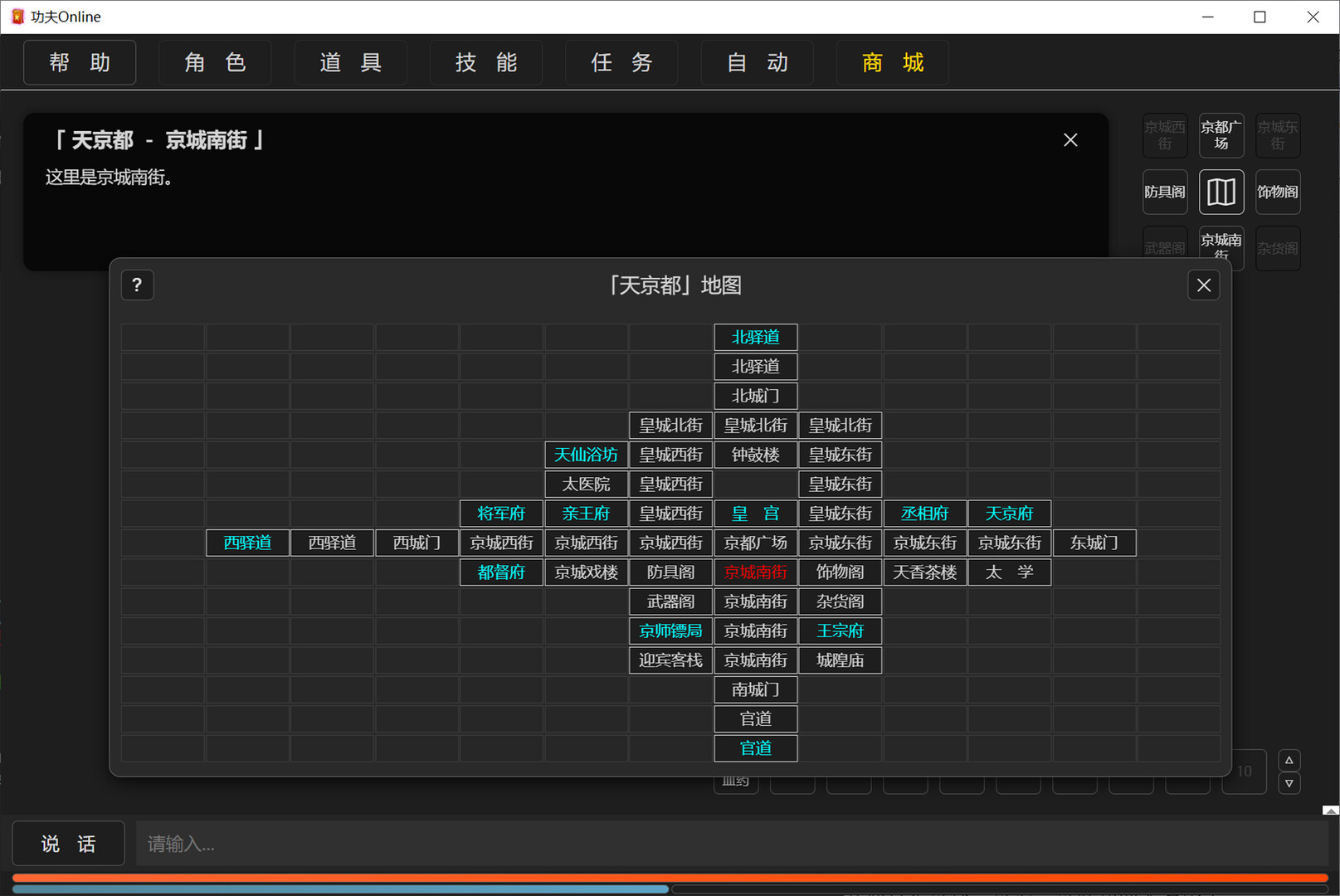
Convenience also influences exploration. Automatic pathfinding can guide the character toward destinations without requiring players to manually navigate every section of the world. It is useful when repeating familiar activities or traveling between objectives, particularly in a progression-focused game where efficiency matters. At the same time, automatic navigation can weaken the feeling of personally discovering the world. Exploration becomes more about reaching useful destinations and continuing progression than carefully learning environments or finding routes independently. Whether this is beneficial largely depends on how much involvement the player expects from ordinary travel.
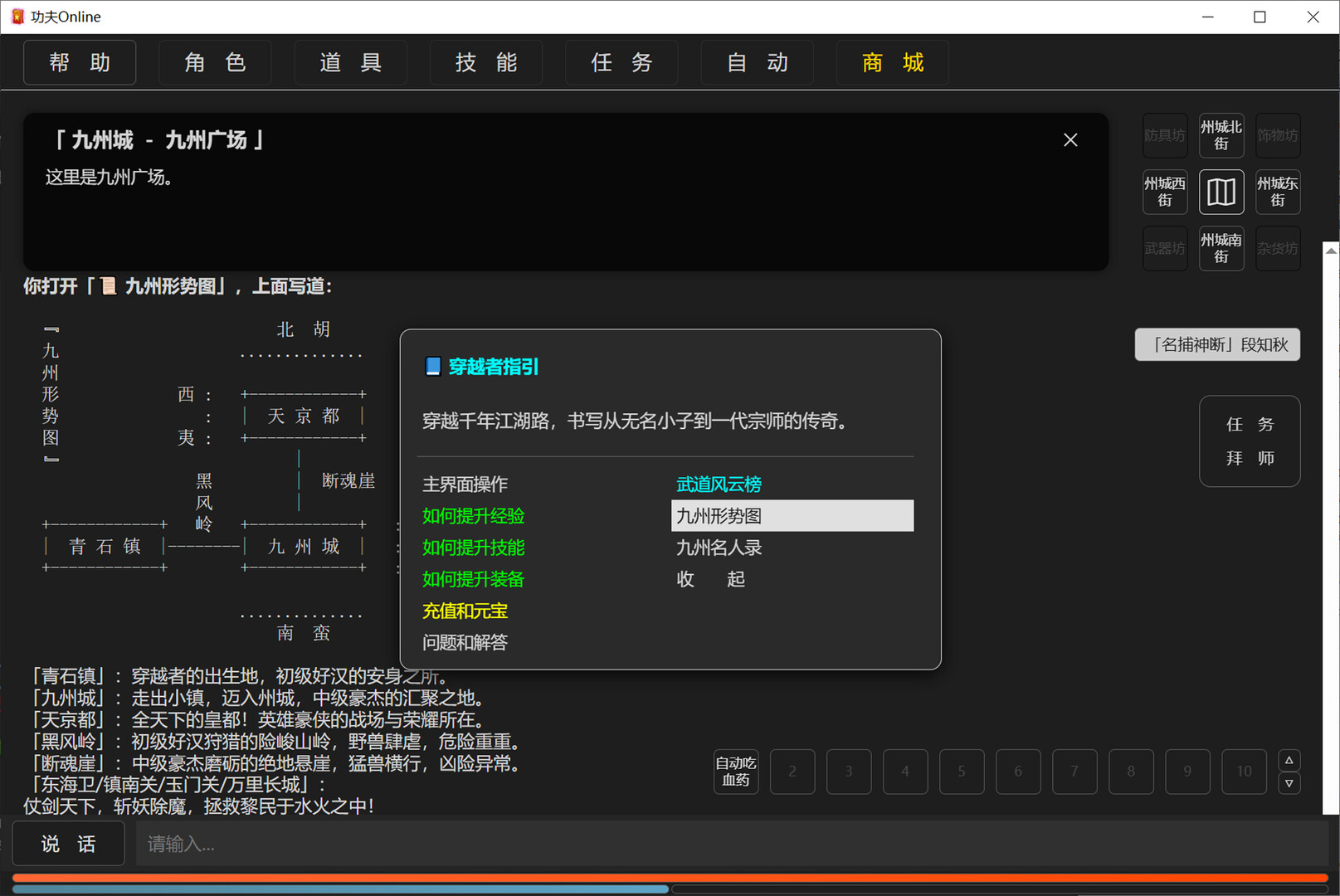
The narrative concept adds more personality to what could otherwise have been a straightforward idle RPG. Its themes involving an unusual journey, martial arts cultivation, changing one's destiny, and receiving extraordinary advantages fit naturally with the exaggerated progression fantasy. Story and text consequently have meaningful roles in giving purpose to the continuous accumulation of power. This also makes language accessibility especially important. The game primarily supports Simplified Chinese and Traditional Chinese, creating a substantial barrier for players who cannot comfortably read either language. Since menus, narrative information, progression details, and other written elements contribute heavily to the experience, this limitation cannot simply be ignored.
Loot acquisition provides another reason to continue playing. Finding equipment and improving a character complements the automated combat structure by giving players tangible rewards even when the individual battles themselves require limited participation. Much of the enjoyment therefore comes from evaluating progress, obtaining upgrades, developing martial abilities, and watching previously difficult situations become increasingly manageable. It resembles an idle progression game as much as a traditional RPG, and players should approach it with that expectation. The design is most effective when the player enjoys optimization and advancement for their own sake.
The free-to-play structure makes the game easy to sample without an initial purchase, although the inclusion of in-game purchases may be worth considering for anyone sensitive to monetization in progression-based games. A progression system can be satisfying when improvement feels naturally earned, but the presence of optional purchases always raises questions about how the long-term balance is structured. Players interested in investing substantial time would be wise to judge how rewarding the natural progression feels before becoming deeply committed.
Despite its Online title and broader MMORPG-related identity, the experience should not automatically be treated as a conventional large-scale MMORPG centered on extensive social interaction. Its strongest characteristics are the automated systems, idle progression, martial arts development, loot, exploration, and text-oriented presentation. Anyone specifically searching for large cooperative raids, elaborate player-versus-player competition, or a deeply social virtual world may therefore find that the game's actual priorities differ from their expectations.
Steam Deck compatibility remains uncertain because the game does not currently have an established official Steam Deck Verified or Playable rating. Its listed platform support is centered on Windows, so Steam Deck owners should not assume that every function, interface element, or control method will operate properly. It may potentially function through SteamOS compatibility solutions, but without an official compatibility classification, it is better regarded as unsupported or unverified rather than confidently Deck-ready.
Overall, 功夫Online occupies a specialized corner of the RPG market. Its martial arts setting, continuous character growth, equipment progression, automated combat, idle mechanics, and convenient navigation can provide an enjoyable routine for players who value steady advancement over mechanical intensity. Conversely, those same automated features can make the experience feel repetitive or overly passive for players who want every victory to depend directly on their own skill. Limited language accessibility further narrows its audience. Within its intended niche, however, it offers an interesting combination of cultivation fantasy and low-pressure RPG progression that can be enjoyable when approached as an idle-oriented martial arts adventure rather than a traditional action RPG.
Rating: 5/10
Character development is one of the most important parts of the experience. The martial arts theme provides a fitting framework for becoming progressively stronger, learning different forms of kung fu, obtaining better equipment, and developing a character capable of handling increasingly difficult challenges. There is a satisfying power-fantasy element behind this structure because advancement represents more than simply increasing a level counter. The player is effectively cultivating a martial artist and steadily turning that character into a much more formidable figure. Players who enjoy RPGs largely because of their progression systems should find this aspect particularly appealing.
Combat is considerably more passive than what might be expected from a conventional martial arts game. Automatic fighting allows encounters to progress without requiring constant commands, while idle systems further reduce the amount of repetitive interaction involved in building up the character. This makes grinding easier to tolerate and gives the game a casual rhythm that works well for players who prefer checking their progress periodically rather than remaining intensely focused at all times. The disadvantage is that battles can lack the physical involvement and mechanical satisfaction found in action-oriented kung fu games. Players hoping to master complicated combinations, precise dodges, counters, or highly technical martial arts systems may find the automation too detached.
Convenience also influences exploration. Automatic pathfinding can guide the character toward destinations without requiring players to manually navigate every section of the world. It is useful when repeating familiar activities or traveling between objectives, particularly in a progression-focused game where efficiency matters. At the same time, automatic navigation can weaken the feeling of personally discovering the world. Exploration becomes more about reaching useful destinations and continuing progression than carefully learning environments or finding routes independently. Whether this is beneficial largely depends on how much involvement the player expects from ordinary travel.
The narrative concept adds more personality to what could otherwise have been a straightforward idle RPG. Its themes involving an unusual journey, martial arts cultivation, changing one's destiny, and receiving extraordinary advantages fit naturally with the exaggerated progression fantasy. Story and text consequently have meaningful roles in giving purpose to the continuous accumulation of power. This also makes language accessibility especially important. The game primarily supports Simplified Chinese and Traditional Chinese, creating a substantial barrier for players who cannot comfortably read either language. Since menus, narrative information, progression details, and other written elements contribute heavily to the experience, this limitation cannot simply be ignored.
Loot acquisition provides another reason to continue playing. Finding equipment and improving a character complements the automated combat structure by giving players tangible rewards even when the individual battles themselves require limited participation. Much of the enjoyment therefore comes from evaluating progress, obtaining upgrades, developing martial abilities, and watching previously difficult situations become increasingly manageable. It resembles an idle progression game as much as a traditional RPG, and players should approach it with that expectation. The design is most effective when the player enjoys optimization and advancement for their own sake.
The free-to-play structure makes the game easy to sample without an initial purchase, although the inclusion of in-game purchases may be worth considering for anyone sensitive to monetization in progression-based games. A progression system can be satisfying when improvement feels naturally earned, but the presence of optional purchases always raises questions about how the long-term balance is structured. Players interested in investing substantial time would be wise to judge how rewarding the natural progression feels before becoming deeply committed.
Despite its Online title and broader MMORPG-related identity, the experience should not automatically be treated as a conventional large-scale MMORPG centered on extensive social interaction. Its strongest characteristics are the automated systems, idle progression, martial arts development, loot, exploration, and text-oriented presentation. Anyone specifically searching for large cooperative raids, elaborate player-versus-player competition, or a deeply social virtual world may therefore find that the game's actual priorities differ from their expectations.
Steam Deck compatibility remains uncertain because the game does not currently have an established official Steam Deck Verified or Playable rating. Its listed platform support is centered on Windows, so Steam Deck owners should not assume that every function, interface element, or control method will operate properly. It may potentially function through SteamOS compatibility solutions, but without an official compatibility classification, it is better regarded as unsupported or unverified rather than confidently Deck-ready.
Overall, 功夫Online occupies a specialized corner of the RPG market. Its martial arts setting, continuous character growth, equipment progression, automated combat, idle mechanics, and convenient navigation can provide an enjoyable routine for players who value steady advancement over mechanical intensity. Conversely, those same automated features can make the experience feel repetitive or overly passive for players who want every victory to depend directly on their own skill. Limited language accessibility further narrows its audience. Within its intended niche, however, it offers an interesting combination of cultivation fantasy and low-pressure RPG progression that can be enjoyable when approached as an idle-oriented martial arts adventure rather than a traditional action RPG.
Rating: 5/10
0 found helpful
Steam ↗