▲ Recommended
3 hrs
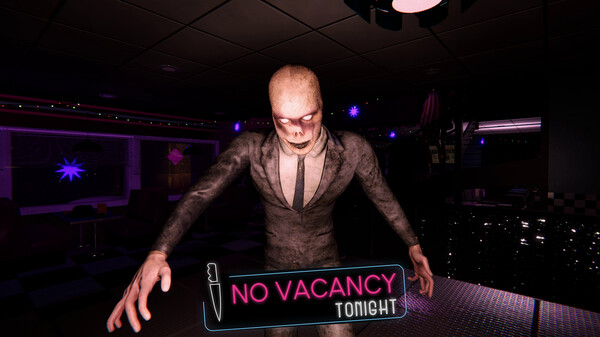
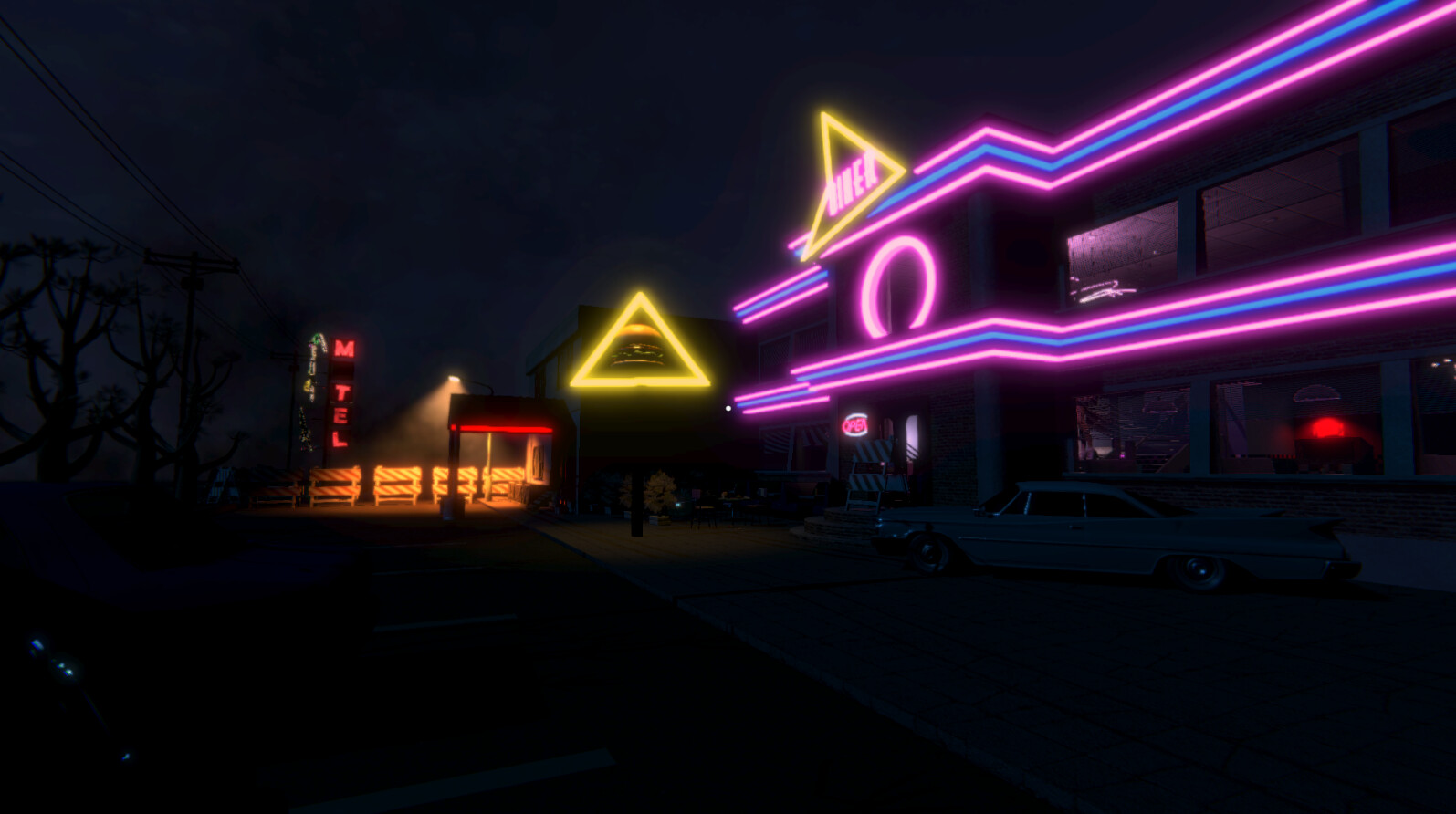
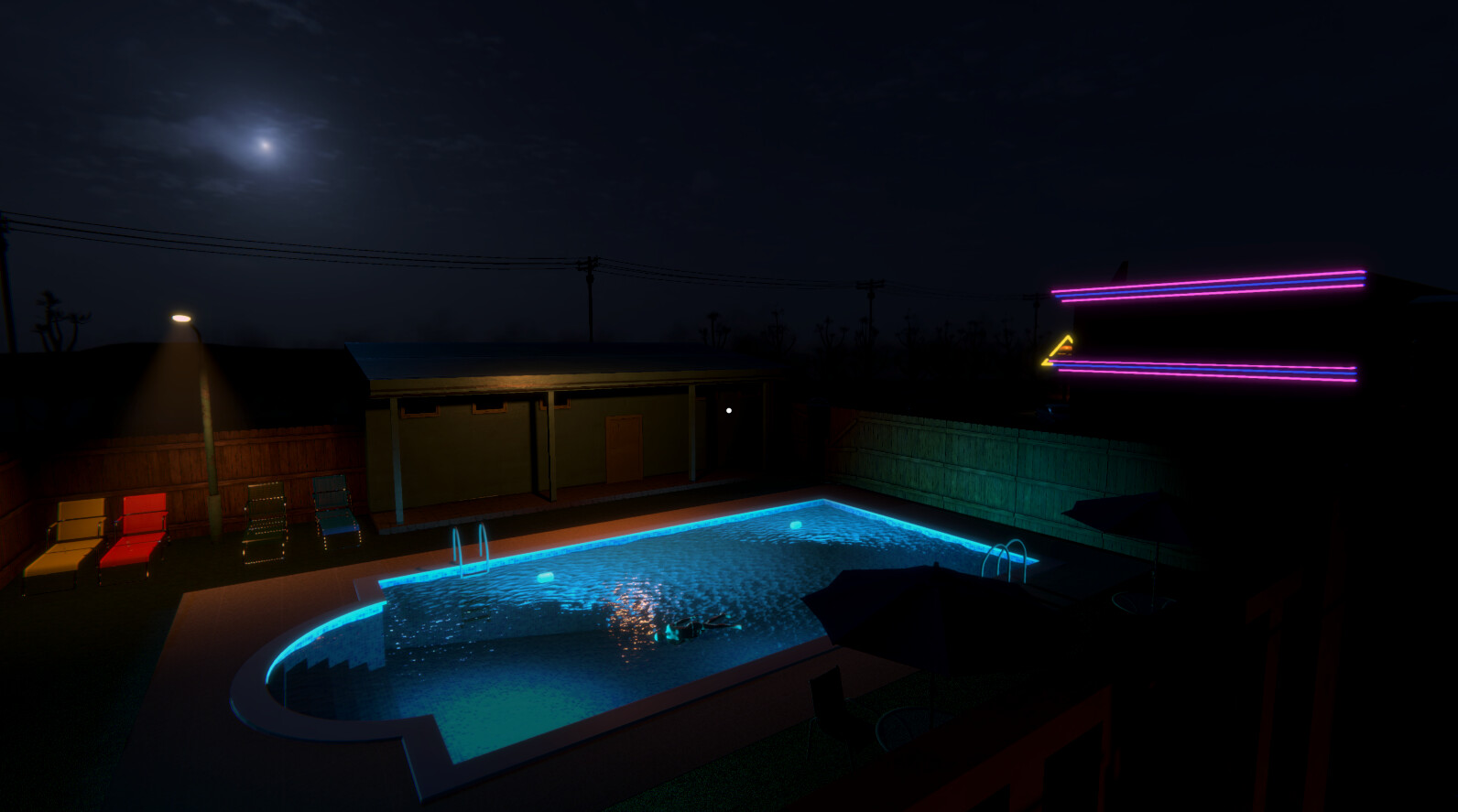
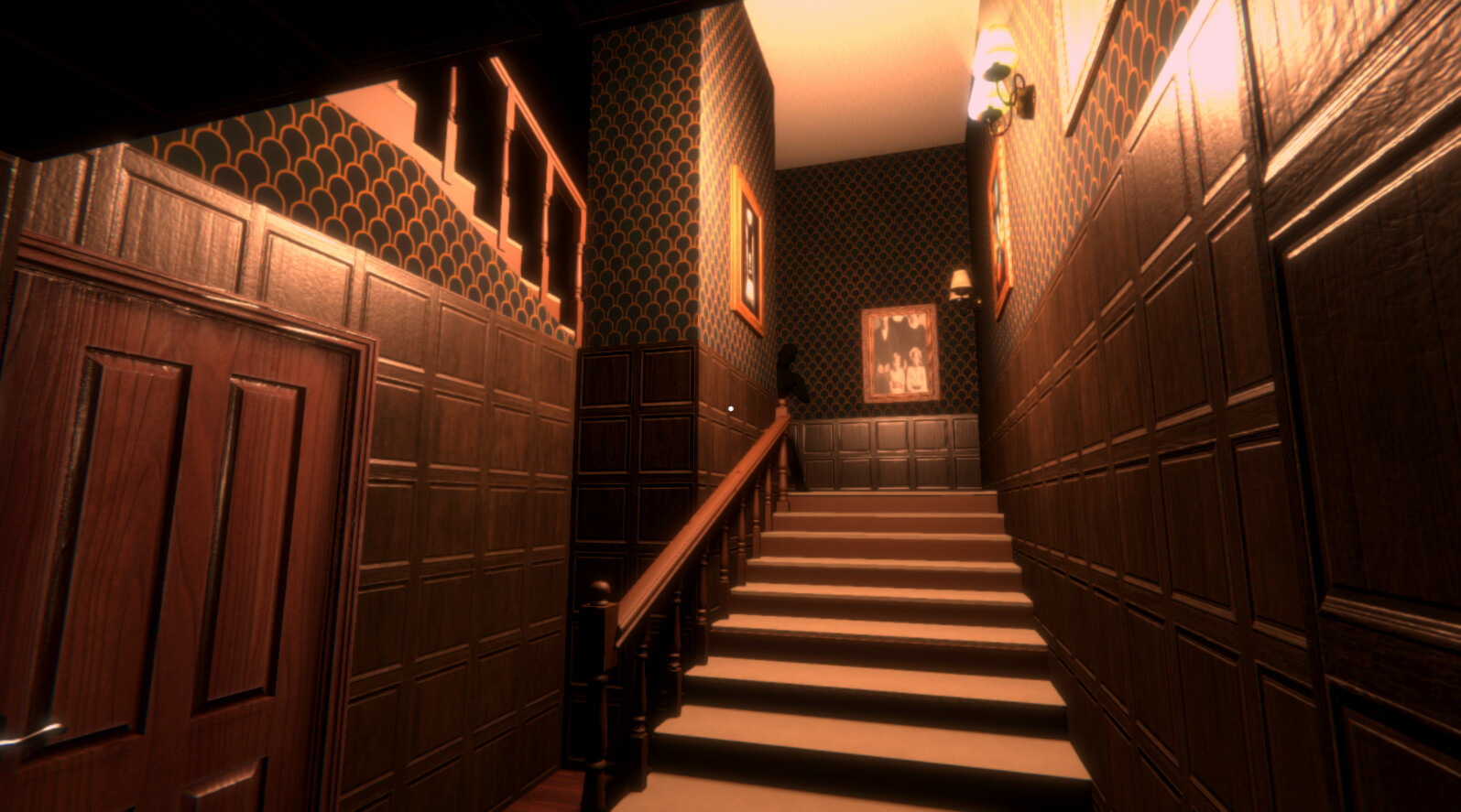
The game begins with you regaining consciousness inside a room, completely unaware of how you ended up there. A leaflet left on the table identifies the place as a motel, yet the atmosphere immediately feels unsettling because there’s no sign of other people, and most of the doors are locked tight.
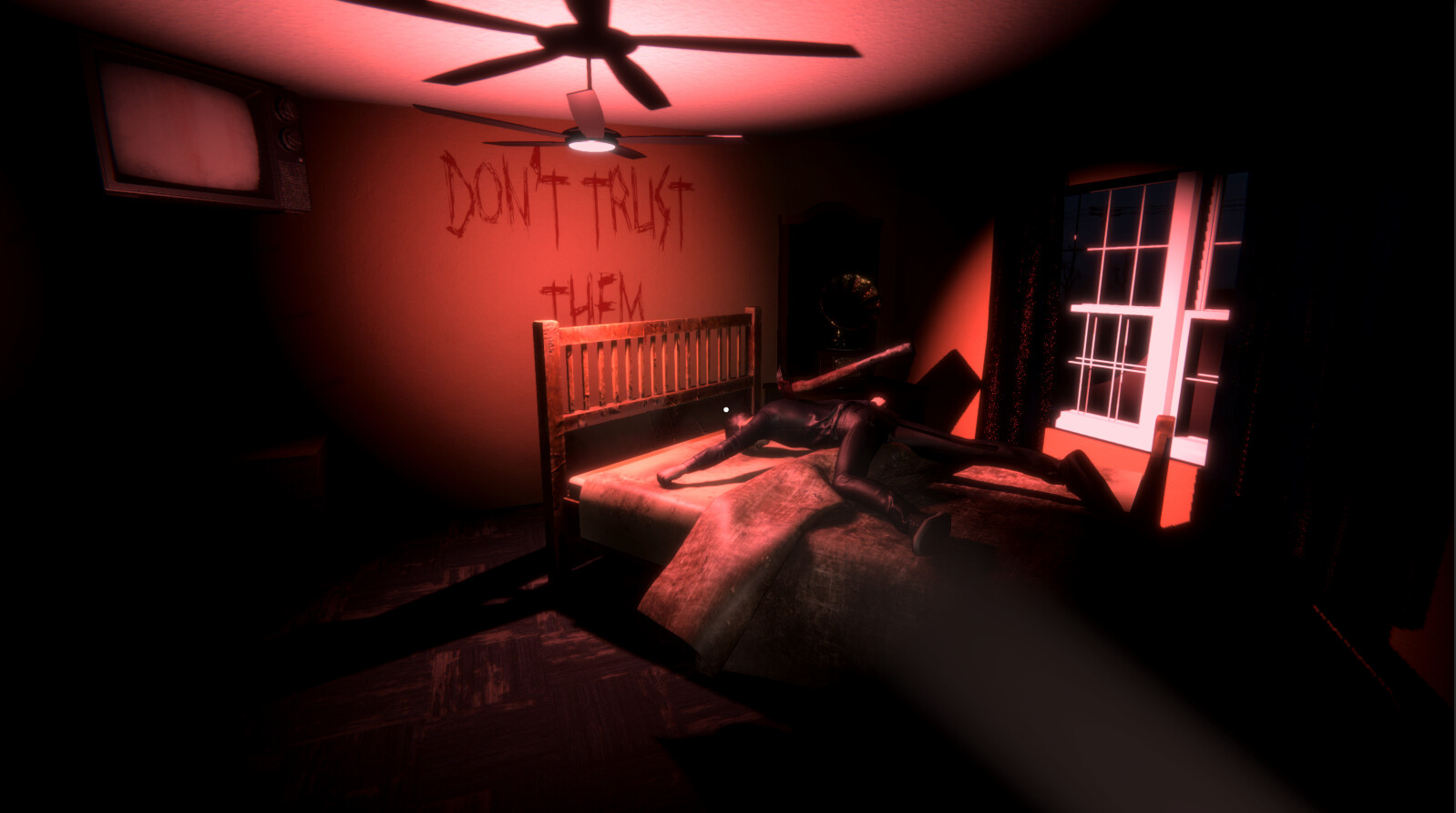
After some effort, you manage to escape the confines of your room, only to receive a chilling phone call from Rose, the receptionist. She informs you that the motel’s guests have been attacked and murdered by an unknown murderer, and she needs your help.
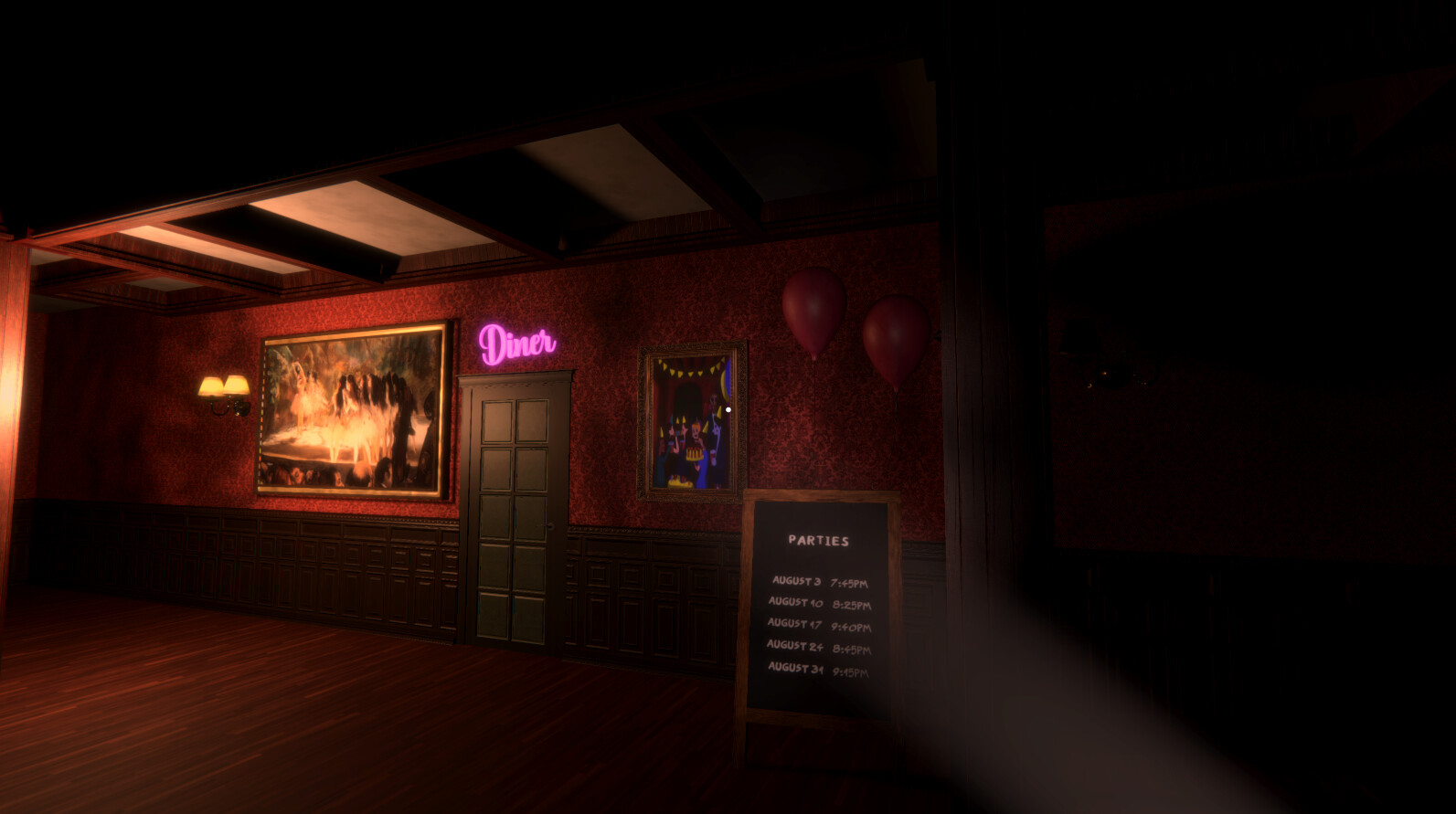
At first glance, the game might appear to be just another entry in the long list of horror-themed titles that saturate the market. However, it shares more with adventure games than traditional survival horror. While there are familiar elements, such as freely moving around darkened rooms, shining a flashlight to illuminate gloomy corners, and interacting with your surroundings, the structure and mechanics lean toward problem-solving.
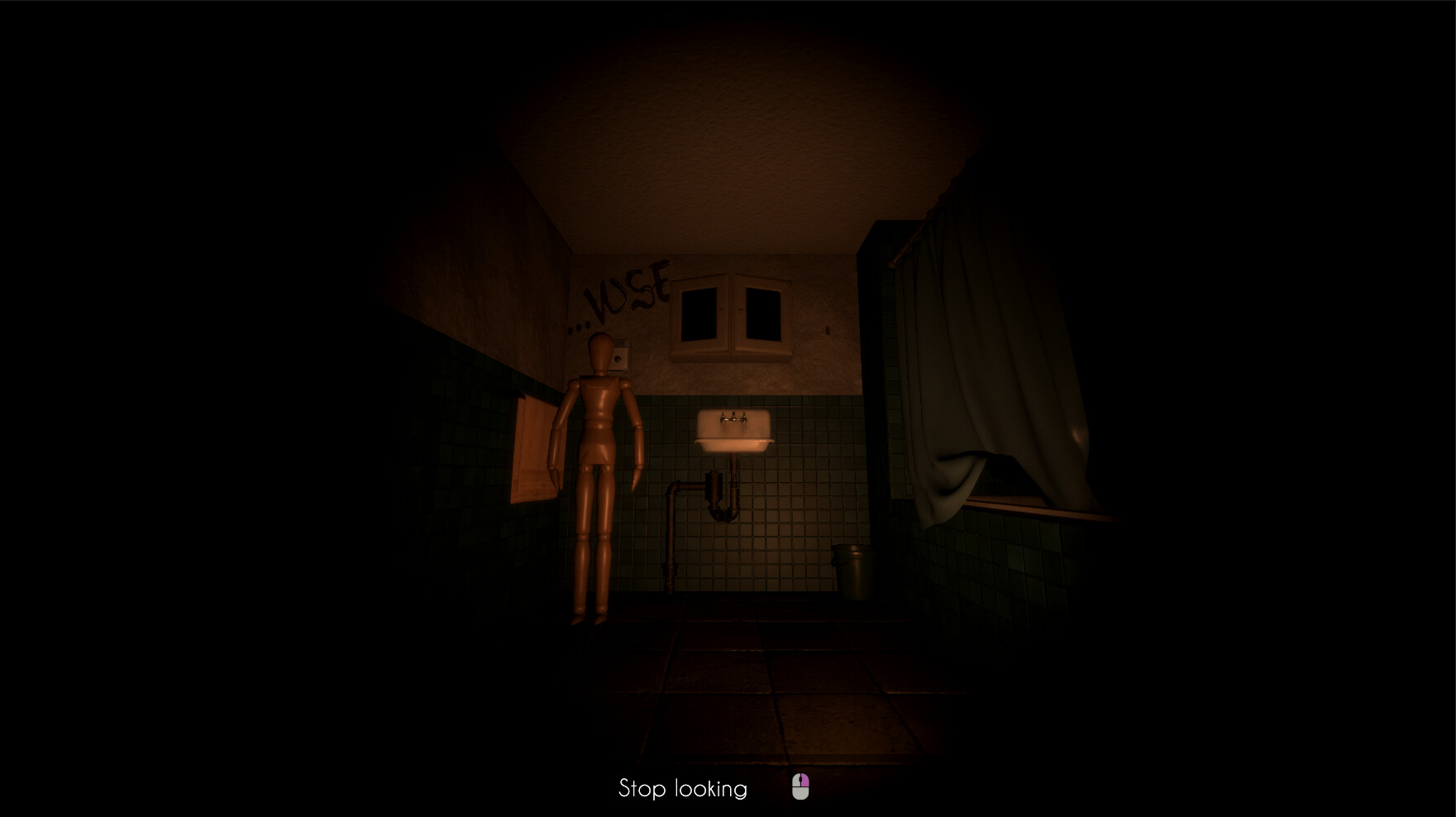
Objects in the environment can be interacted with, though they are not conveniently marked. Instead, you must carefully explore the location, guiding the small dot at the center of the screen over areas that look even slightly suspicious. When something of interest is discovered, the item highlights itself and displays its name, along with the possible interactions. Common actions include “open,” useful for doors, cabinets, or drawers that might conceal useful items, and “look,” which provides small details or hints.
Like in many adventure titles, certain items can be collected and stored in your inventory. There is no need to study them for hidden details; if an item is important, the game will allow you to pick it up immediately. Although you cannot combine items together within the inventory, they can still be applied to environmental objects to solve challenges.
Importantly, the system avoids the classic frustration of attempting to use every item with every object. When you encounter something in the world that requires a specific item, an additional “use object” option appears. Choosing it opens the inventory, letting you quickly pick the correct item rather than wasting time on guesswork. Everything makes sense and there are no weird combinations.
Progress also depends on logical puzzles. These involve uncovering codes or sequences hidden in notes or other environmental clues. As you collect keys, more rooms gradually become accessible, expanding the motel, but the size is still pretty small.
Navigation is not a problem. While a map is available, the layout is simple enough that it’s easy to remember where everything is. The game’s design also helps prevent players from being overwhelmed because your current objective always nudges you toward the next step. But if you want to grab all of the collectible photos, you’ll have to solve an occasional optional puzzle and look carefully into every dark spot.
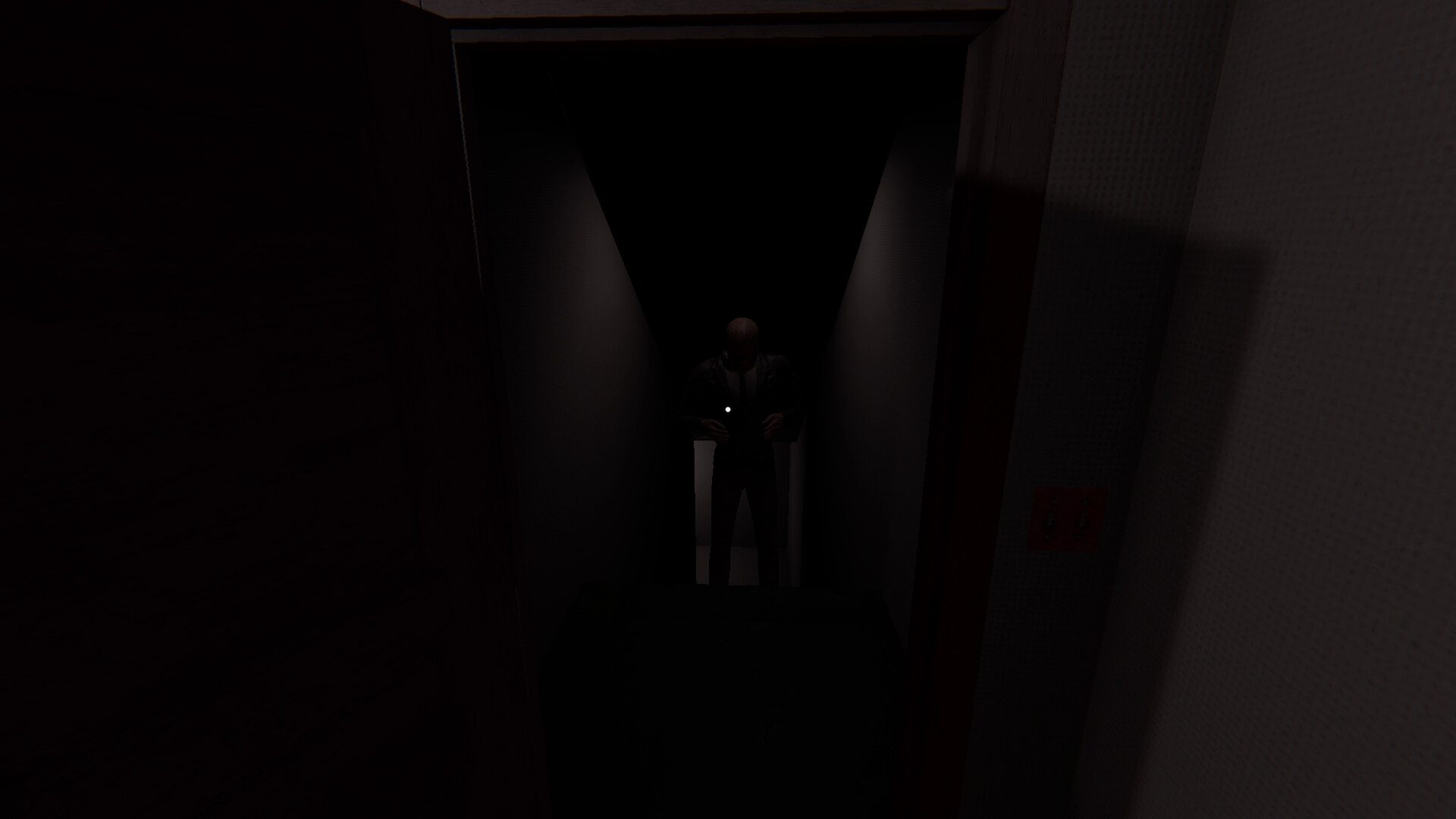
Despite the unsettling location, there is no real danger. Although the game features familiar tropes like shadowy figures peeking from corners or sudden jump scares, these moments never result in death.
A few puzzles lack sufficient clues, creating frustrating roadblocks. One example involves laser mechanisms that must be switched on and off based on ambiguous hints. The solution only becomes visible when observed from a higher floor, but it isn’t clear if any of the motel’s scattered notes actually explain this. With no hint system and a mostly linear progression, getting stuck in such moments can ruin the fun.
The story ultimately branches into two possible endings; both are the same, except for surviving or dying. However, because the game relies on a single auto-save slot, both cannot be obtained in one run. Thankfully, the overall length is short, so replaying doesn’t feel too demanding, even if a handful of puzzles use randomized solutions.
After some effort, you manage to escape the confines of your room, only to receive a chilling phone call from Rose, the receptionist. She informs you that the motel’s guests have been attacked and murdered by an unknown murderer, and she needs your help.
At first glance, the game might appear to be just another entry in the long list of horror-themed titles that saturate the market. However, it shares more with adventure games than traditional survival horror. While there are familiar elements, such as freely moving around darkened rooms, shining a flashlight to illuminate gloomy corners, and interacting with your surroundings, the structure and mechanics lean toward problem-solving.
Objects in the environment can be interacted with, though they are not conveniently marked. Instead, you must carefully explore the location, guiding the small dot at the center of the screen over areas that look even slightly suspicious. When something of interest is discovered, the item highlights itself and displays its name, along with the possible interactions. Common actions include “open,” useful for doors, cabinets, or drawers that might conceal useful items, and “look,” which provides small details or hints.
Like in many adventure titles, certain items can be collected and stored in your inventory. There is no need to study them for hidden details; if an item is important, the game will allow you to pick it up immediately. Although you cannot combine items together within the inventory, they can still be applied to environmental objects to solve challenges.
Importantly, the system avoids the classic frustration of attempting to use every item with every object. When you encounter something in the world that requires a specific item, an additional “use object” option appears. Choosing it opens the inventory, letting you quickly pick the correct item rather than wasting time on guesswork. Everything makes sense and there are no weird combinations.
Progress also depends on logical puzzles. These involve uncovering codes or sequences hidden in notes or other environmental clues. As you collect keys, more rooms gradually become accessible, expanding the motel, but the size is still pretty small.
Navigation is not a problem. While a map is available, the layout is simple enough that it’s easy to remember where everything is. The game’s design also helps prevent players from being overwhelmed because your current objective always nudges you toward the next step. But if you want to grab all of the collectible photos, you’ll have to solve an occasional optional puzzle and look carefully into every dark spot.
Despite the unsettling location, there is no real danger. Although the game features familiar tropes like shadowy figures peeking from corners or sudden jump scares, these moments never result in death.
A few puzzles lack sufficient clues, creating frustrating roadblocks. One example involves laser mechanisms that must be switched on and off based on ambiguous hints. The solution only becomes visible when observed from a higher floor, but it isn’t clear if any of the motel’s scattered notes actually explain this. With no hint system and a mostly linear progression, getting stuck in such moments can ruin the fun.
The story ultimately branches into two possible endings; both are the same, except for surviving or dying. However, because the game relies on a single auto-save slot, both cannot be obtained in one run. Thankfully, the overall length is short, so replaying doesn’t feel too demanding, even if a handful of puzzles use randomized solutions.
6 found helpful
Steam ↗