



▼ Not recommended
0 hrs
Banana Monopoly
READ SO YOU WILL NOT BE FOOLED
Introduction
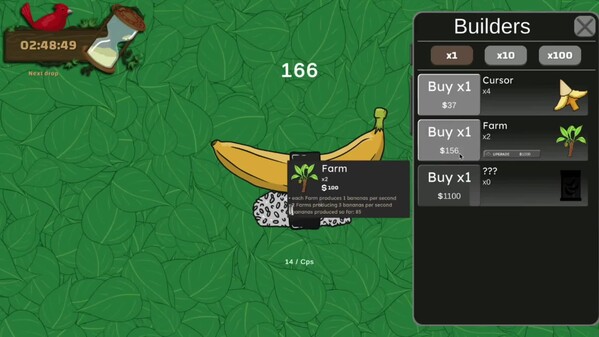
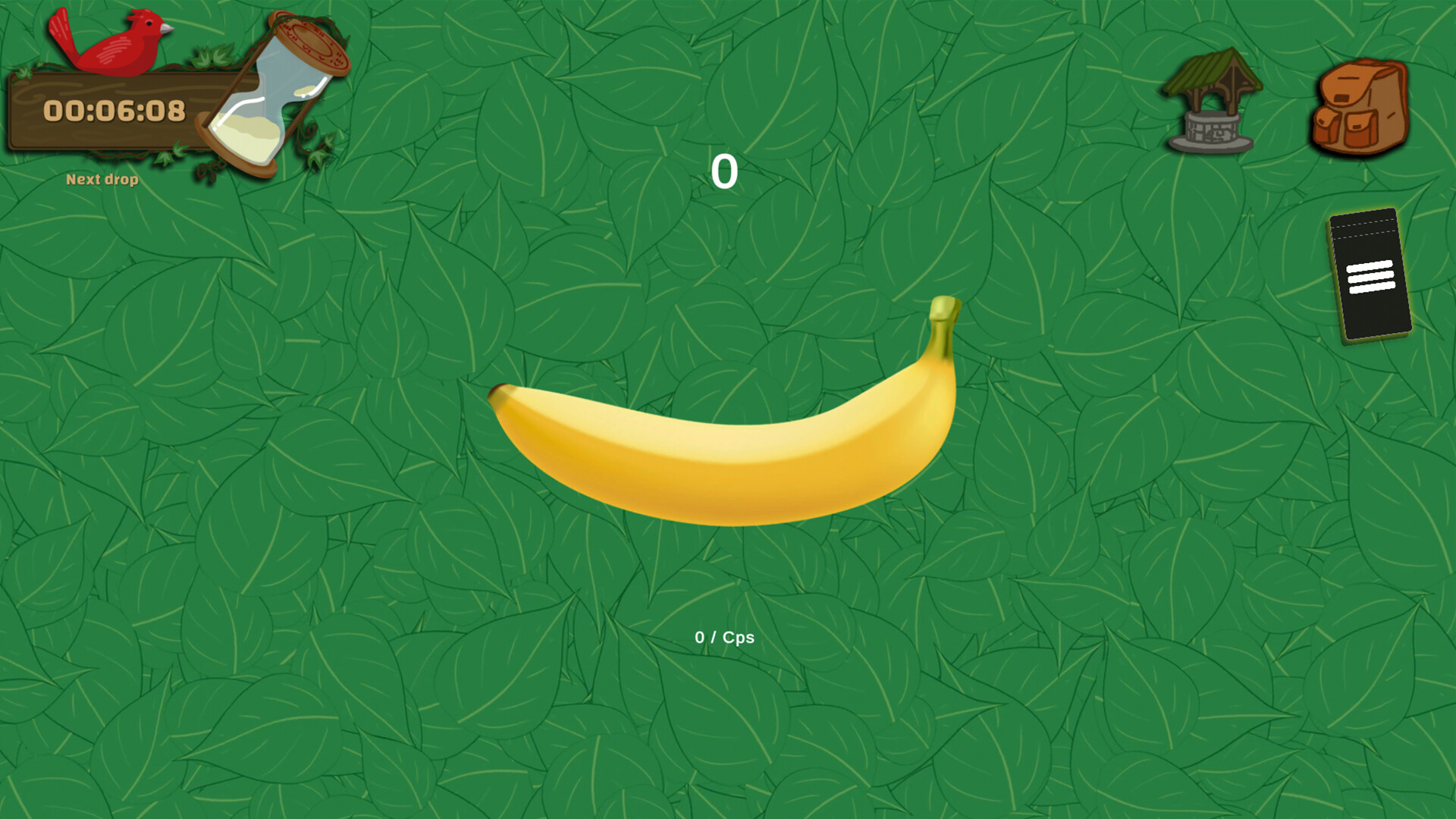
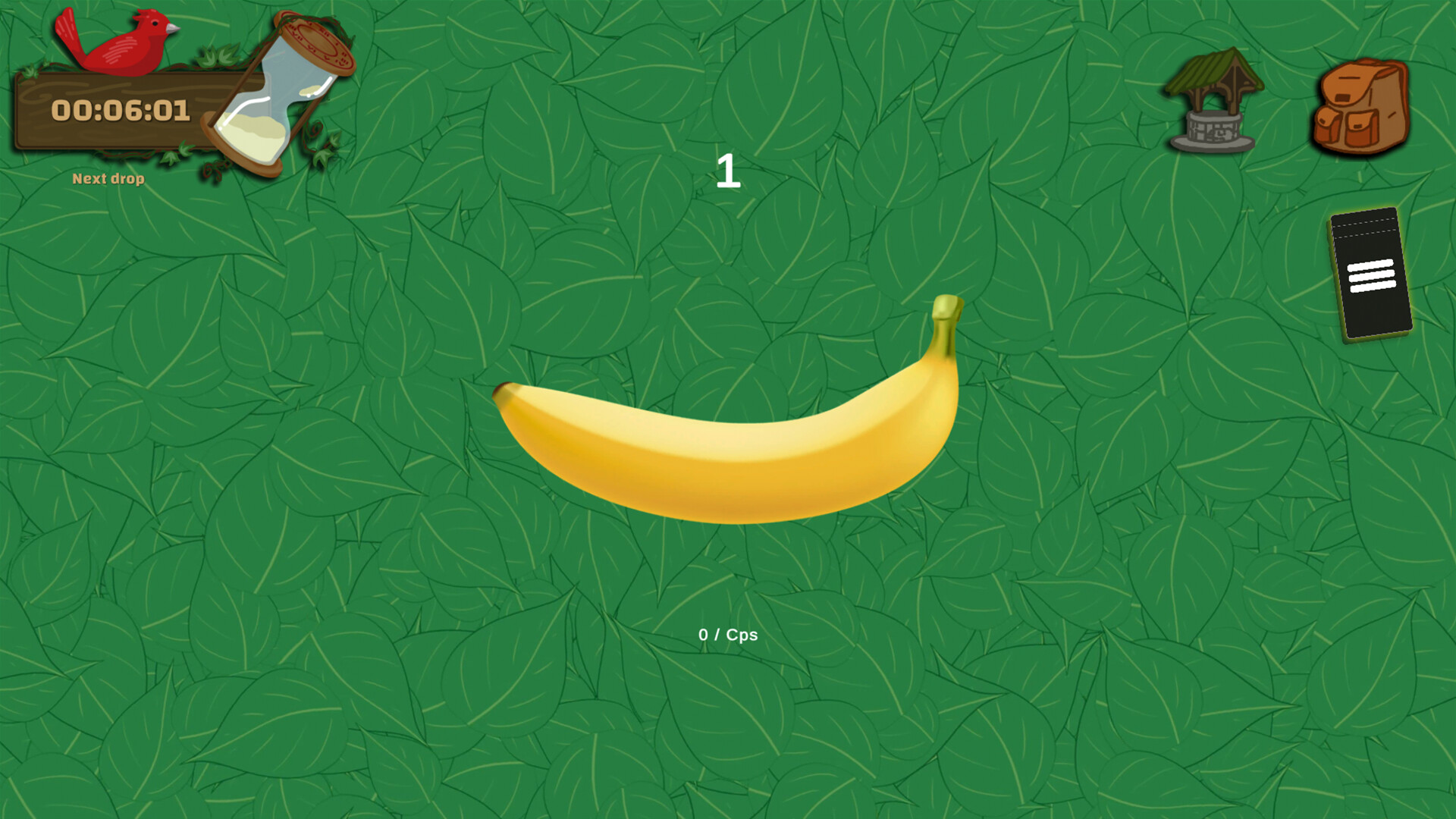
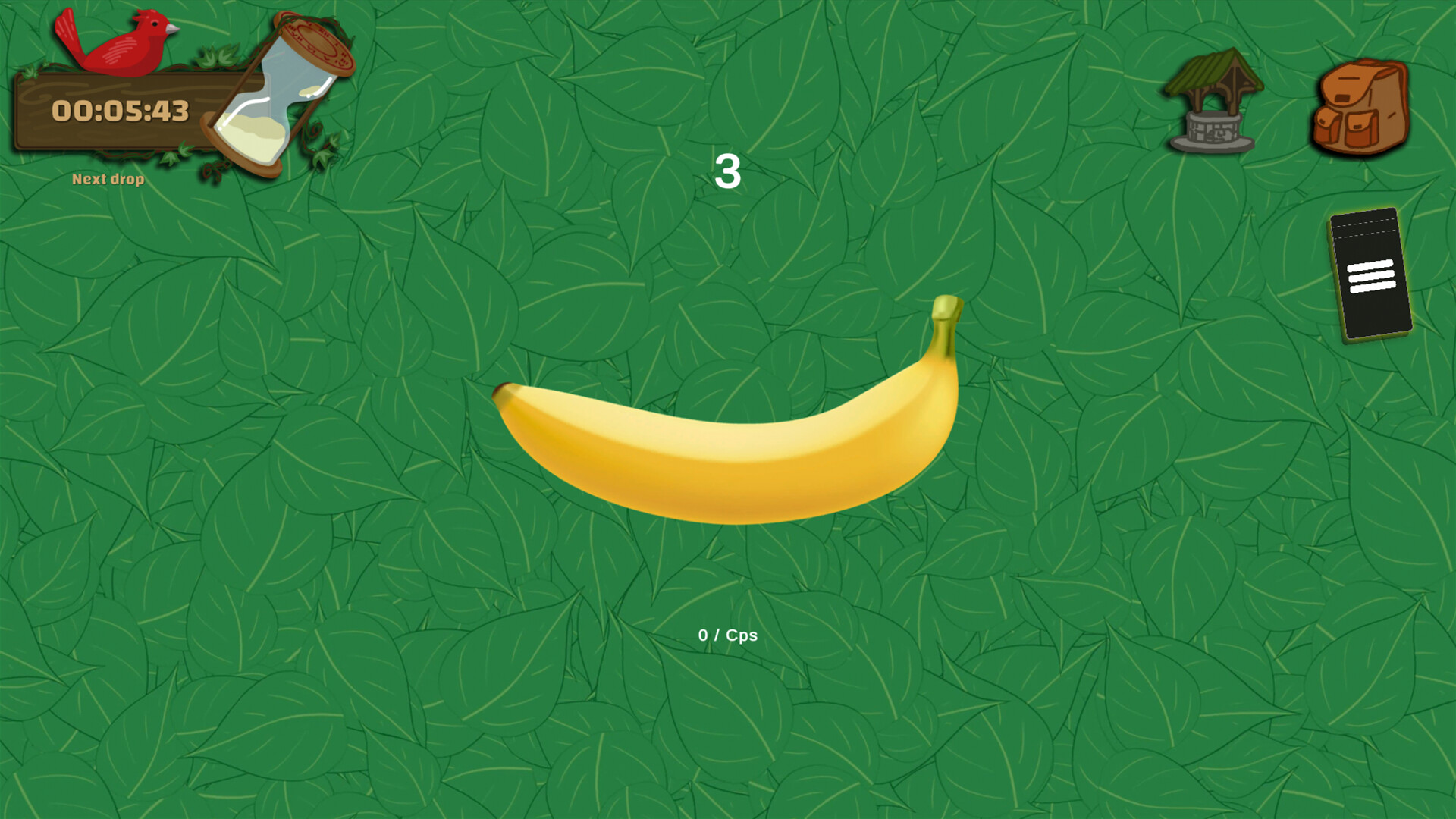
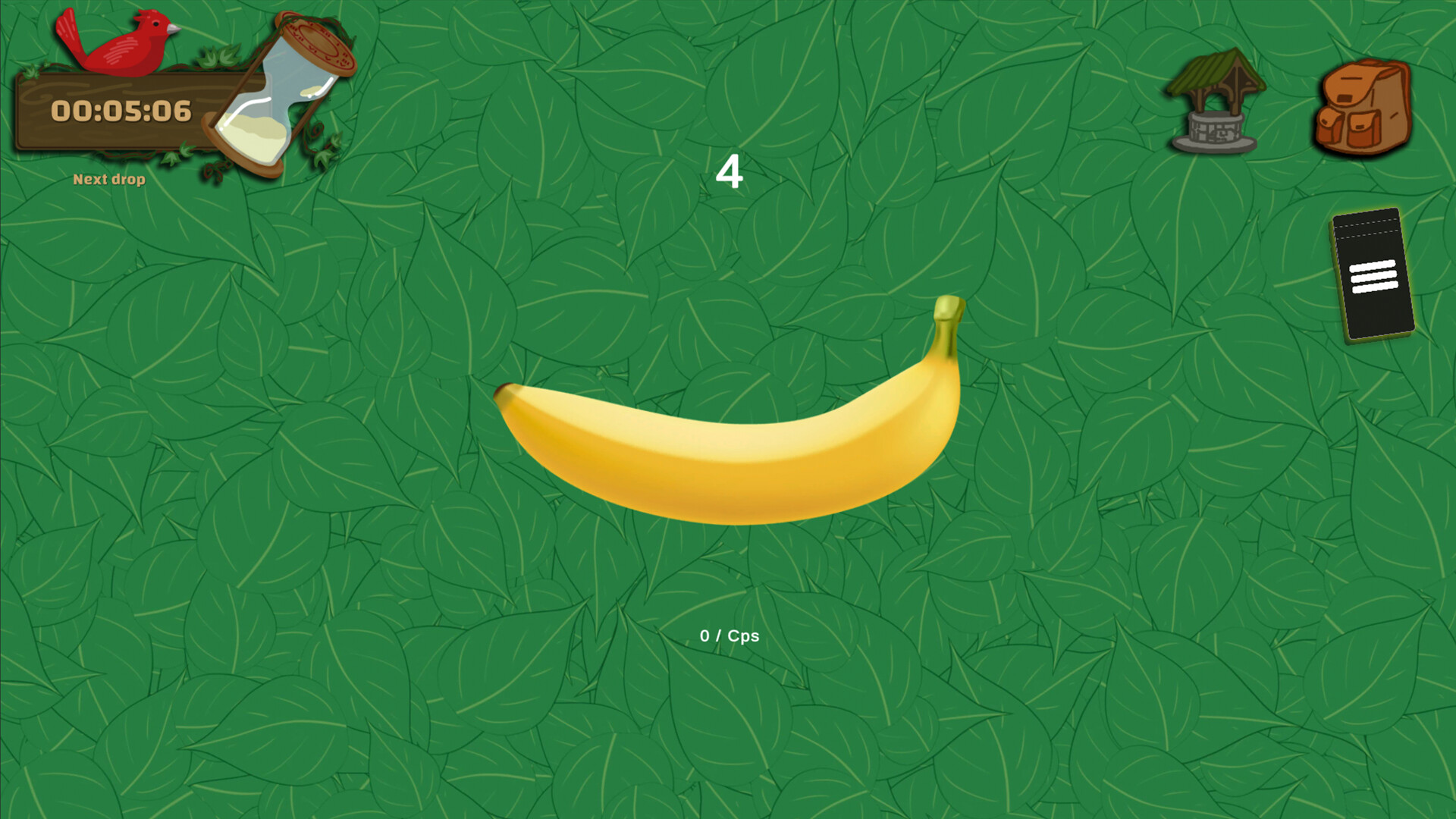
Welcome to Banana: The Game, a seemingly innocent and straightforward game where players click to receive random banana drops. However, beneath its simple facade lies a cleverly constructed monopoly, turning its players into revenue generators for the developer and Steam. Let’s delve deeper into the mechanics of this game and uncover the hidden financial dynamics at play.
What is a Monopoly?
A monopoly occurs when a single entity dominates a particular market, controlling the supply and pricing of goods or services, often to the detriment of consumers. In the context of Banana: The Game, the monopoly is on player engagement and revenue generation through enticing but rare in-game rewards.
Game Mechanics and Financial Implications
In Banana: The Game, players engage in a gamble-like experience. Each click can result in a banana drop, some of which are advertised to have high monetary value. This allure of potentially earning valuable bananas keeps players engaged. However, there’s a significant catch.
Current Revenue Model
Despite having 400,000 active players, the game does not generate revenue through traditional means:
1. Advertising
2. In-Game Purchases
3. Merchandise
4. Donations
5. Sponsorships
The Steam Dilemma
Steam does not pay developers based on the number of active players alone. Instead, revenue is generated through player transactions. In Banana: The Game, players are manipulated into believing they can earn significant money by simply playing and clicking. This belief is propagated through viral videos showing rare, high-value banana drops.
The Reality of Earnings
Let’s break down the financials:
- Revenue per Banana Drop:
- Each banana drop is sold for $0.01
- Maximum drops per player per day: 3 bananas
- Total daily revenue per player: 3 bananas x $0.01 = $0.03
- Earnings Distribution:
- Developer’s share per banana: $0.01
- Steam’s share per banana: $0.01
- Total Daily Revenue from 400,000 Players:
- 400,000 players x $0.03 = $12,000
- Total Monthly Revenue:
- Daily revenue x 30 days = $12,000 x 30 = $360,000
Earnings Breakdown:
- Developer’s daily earnings: $12,000
- Steam’s daily earnings: $12,000
- Developer’s monthly earnings: $360,000
- Steam’s monthly earnings: $360,000
The Manipulation Tactic
Players are drawn to the game by the promise of rare, high-value bananas worth up to $1,000. However, these drops are extremely rare, almost impossible to obtain. Most players end up with bananas worth $0.3 each. When sold, the revenue is split as follows:
- $0.1 to Steam
- $0.1 to the developer
- $0.1 to the player
This effectively makes the players mere instruments in a grand scheme to farm money for the developer and Steam.
Conclusion
Banana: The Game cleverly disguises its revenue model behind the allure of rare rewards. While players invest time and effort hoping for a significant payoff, the real winners are the developer and Steam. By understanding these mechanics, players can better appreciate the true nature of such games and make informed decisions about their participation.
Final Thoughts
In essence, Banana: The Game is a digital puppet show where players are manipulated into generating revenue under the guise of potential earnings. The developer and Steam rake in substantial daily and monthly profits, while players chase after elusive rewards. This model highlights the importance of transparency and ethical practices in game development and monetization.
Reddit Link To A Monopoly
1550 found helpful
Steam ↗