▲ Recommended
12 hrs
Sandbox Survivors takes a familiar collection of survival, crafting, exploration, and role-playing mechanics and places them inside a colorful 2D post-apocalyptic sandbox. Developed and published by Big Bird Games, it favors an accessible, old-school approach instead of attempting to imitate the complexity or visual spectacle of larger survival games. The central premise is immediately understandable: explore a dangerous world, collect whatever resources you can find, fight hostile creatures, improve your character, and gradually transform a vulnerable shelter into a formidable stronghold.
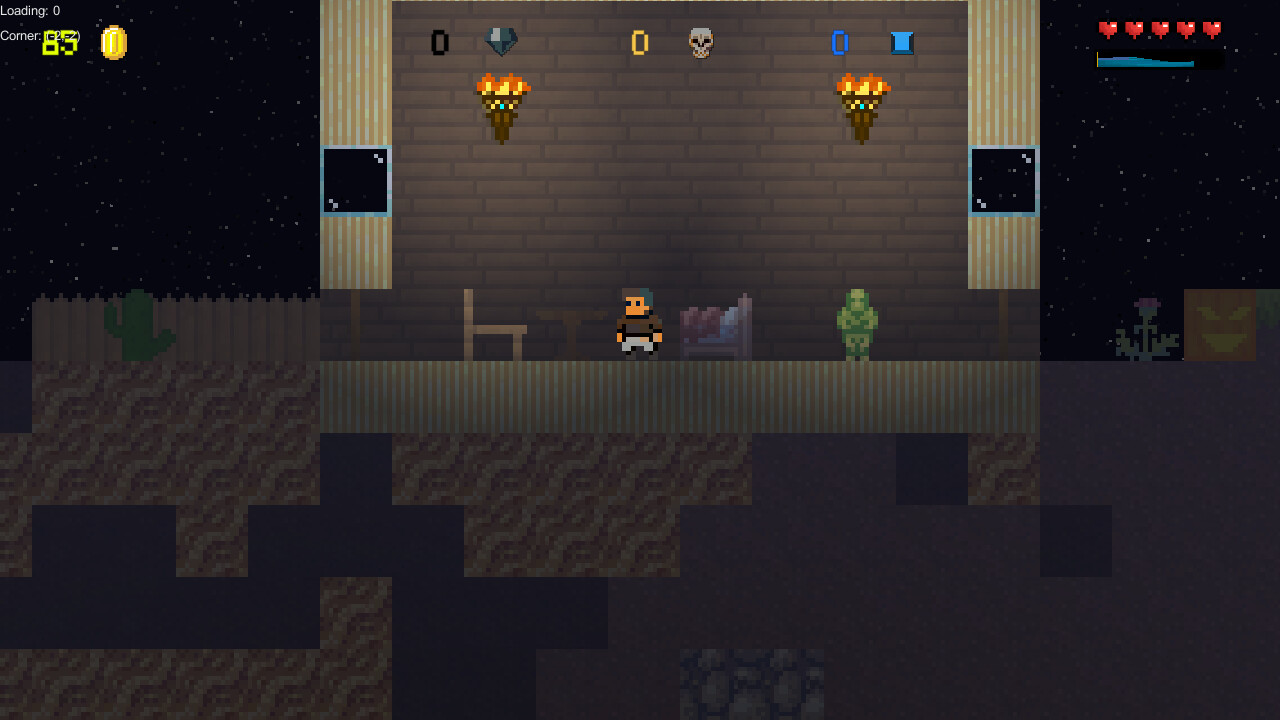
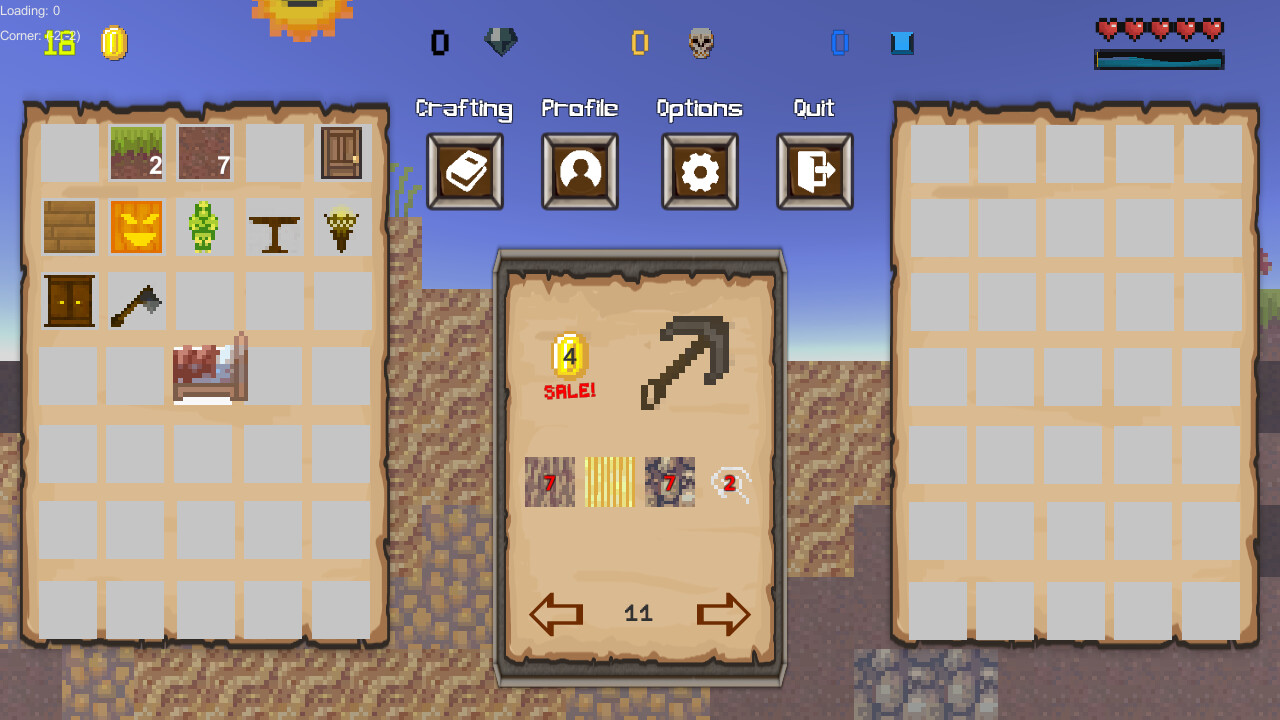
Resource gathering and construction form an important part of the experience. Materials discovered while traveling can be turned into useful items and building components, creating a satisfying relationship between exploration and progression. The ability to craft numerous tiles also means construction is not simply a cosmetic side activity. Players are encouraged to manipulate their surroundings and create spaces suited to their needs. This gives collected resources a tangible purpose, since another expedition can potentially provide exactly what is needed for the next expansion or improvement.
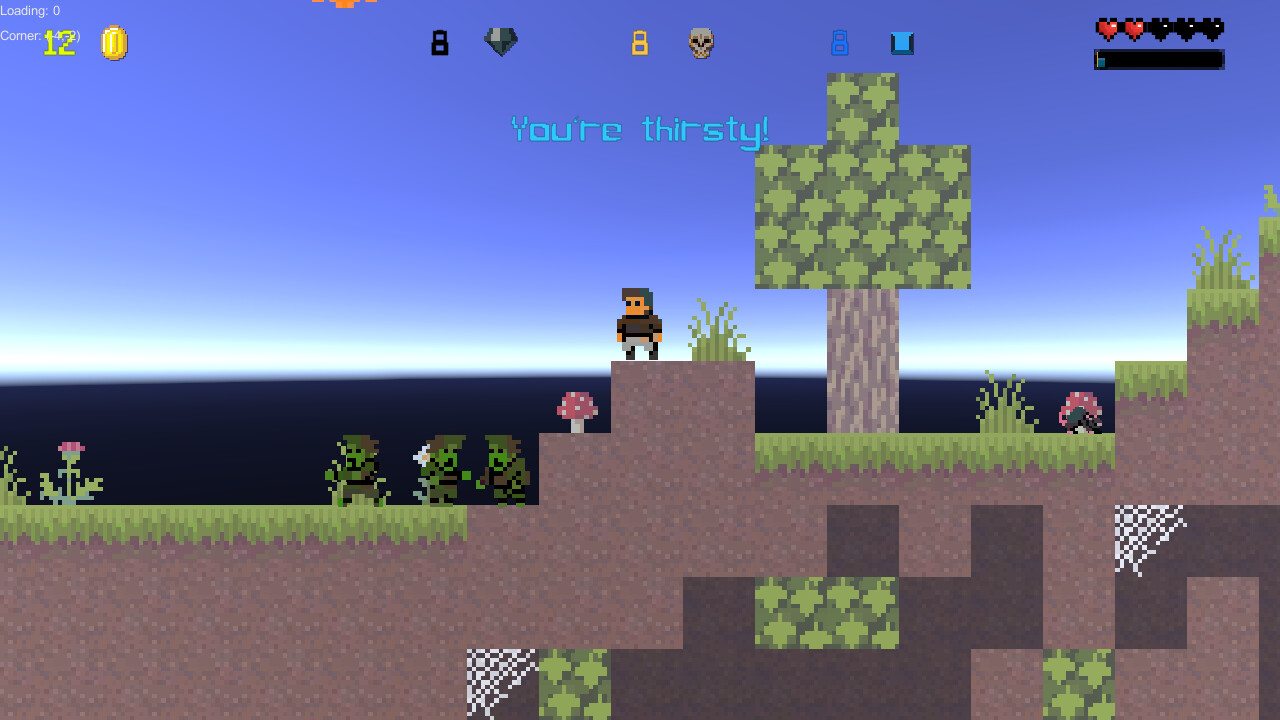
The world itself emphasizes freedom of exploration. Rather than funneling players through a tightly controlled sequence of locations, the sandbox structure encourages wandering and discovering what exists beyond familiar territory. Exploration carries some danger because monsters inhabit the post-apocalyptic environment, making preparation an important consideration before traveling too far from safety. This combination creates a simple but effective rhythm of leaving the base, gathering resources, confronting threats, completing objectives, and returning home with materials that can strengthen the player's position.
Combat contributes to the survival theme without completely dominating the experience. Hostile creatures give players a reason to improve their equipment and remain cautious while exploring, while survival mode provides a more demanding way to engage with the game's mechanics. The attraction is less about mastering an exceptionally sophisticated combat system and more about balancing several responsibilities at once. Fighting, gathering, building, exploration, and preparation all contribute to continued progress, which helps prevent the adventure from revolving around a single repetitive activity.
Role-playing elements add welcome structure to the sandbox. Character customization provides some personal identity, while quests give objective-oriented players something concrete to pursue. Helping other survivors is particularly appropriate for the ruined-world setting and expands progression beyond simply accumulating supplies for yourself. Earning wealth and recognition through these activities provides additional motivation to explore and interact with the inhabitants of the world. The result is an experience that can accommodate both players who enjoy setting their own objectives and those who prefer having quests guide their next move.
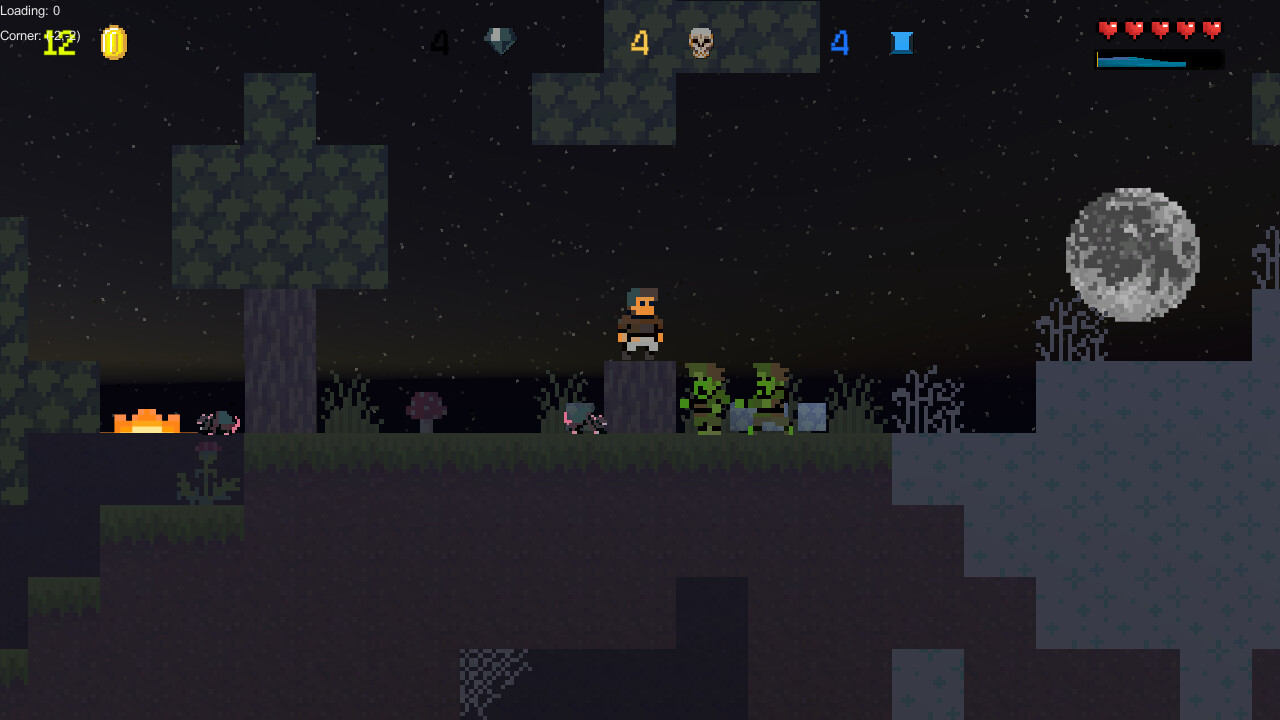
Its retro visual direction complements the relatively straightforward gameplay. The 2D side-scrolling perspective distinguishes it from the numerous three-dimensional and top-down survival titles on the market, while the colorful presentation keeps the devastated setting from becoming excessively bleak. The aesthetic deliberately prioritizes nostalgic charm and functional readability over technical sophistication. Players attracted to independent games with classic visual sensibilities may appreciate this approach, although anyone expecting highly detailed environments, elaborate effects, or cinematic presentation should adjust expectations accordingly.
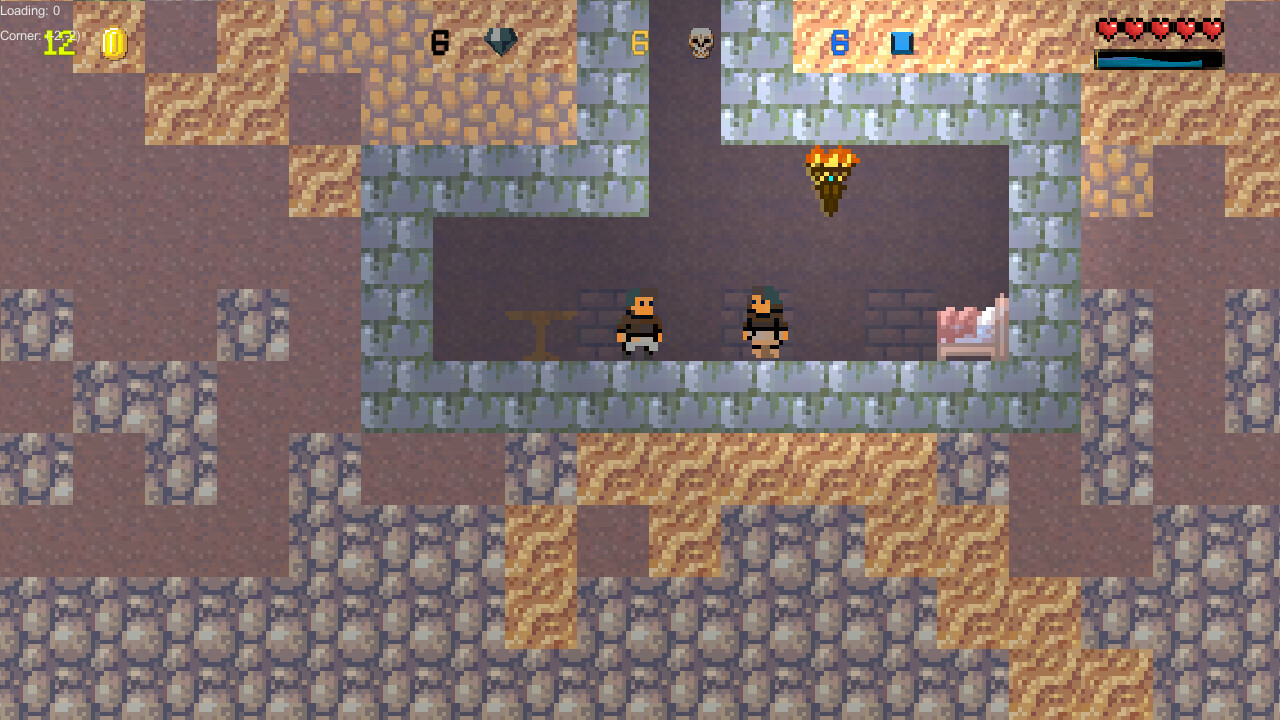
Online cooperative multiplayer is potentially one of the more appealing aspects of the package. Survival and construction mechanics naturally benefit from cooperation because gathering resources, exploring dangerous areas, fighting enemies, and developing a base become activities that can be shared with friends. Building together can also give longer sessions a stronger social purpose, particularly when players begin creating increasingly ambitious structures. For those who prefer independence, the single-player experience remains suitable because the fundamental progression loop does not depend entirely on multiplayer participation.
The broad collection of mechanics is also where expectations should remain reasonable. Sandbox Survivors incorporates crafting, construction, survival, quests, character customization, combat, exploration, and cooperative play, but its attraction comes from combining these ideas within an approachable indie sandbox rather than providing extraordinary depth in every category. Players searching for an extremely realistic survival simulation or a heavily narrative-driven RPG may find its systems relatively straightforward. Those who enjoy uncomplicated progression and the freedom to alternate between gathering, adventuring, fighting, and building are better suited to what it offers.
Steam Deck compatibility deserves some caution. There is no strong basis for treating the game as officially Steam Deck Verified, so prospective handheld players should not assume completely seamless operation. Its relatively straightforward 2D presentation appears conceptually well suited to portable play, but actual compatibility can depend on controller support, interface readability, Proton behavior, and game updates. It is therefore best regarded as having unconfirmed Steam Deck compatibility rather than being definitively Verified or Unsupported.
Taken as a whole, Sandbox Survivors presents an appealing combination of retro adventure and survival sandbox design. Its strongest qualities are the interconnected progression systems and the freedom to determine how much time is spent exploring, constructing, completing quests, fighting monsters, or simply collecting resources for the next project. The post-apocalyptic setting gives these activities context, while cooperative play expands the possibilities for players who want to share their sandbox with friends. It is unlikely to replace deeper survival games for players demanding intricate simulation, but its approachable design and mixture of RPG and building elements give it a comfortable niche of its own.
Rating: 6/10
Resource gathering and construction form an important part of the experience. Materials discovered while traveling can be turned into useful items and building components, creating a satisfying relationship between exploration and progression. The ability to craft numerous tiles also means construction is not simply a cosmetic side activity. Players are encouraged to manipulate their surroundings and create spaces suited to their needs. This gives collected resources a tangible purpose, since another expedition can potentially provide exactly what is needed for the next expansion or improvement.
The world itself emphasizes freedom of exploration. Rather than funneling players through a tightly controlled sequence of locations, the sandbox structure encourages wandering and discovering what exists beyond familiar territory. Exploration carries some danger because monsters inhabit the post-apocalyptic environment, making preparation an important consideration before traveling too far from safety. This combination creates a simple but effective rhythm of leaving the base, gathering resources, confronting threats, completing objectives, and returning home with materials that can strengthen the player's position.
Combat contributes to the survival theme without completely dominating the experience. Hostile creatures give players a reason to improve their equipment and remain cautious while exploring, while survival mode provides a more demanding way to engage with the game's mechanics. The attraction is less about mastering an exceptionally sophisticated combat system and more about balancing several responsibilities at once. Fighting, gathering, building, exploration, and preparation all contribute to continued progress, which helps prevent the adventure from revolving around a single repetitive activity.
Role-playing elements add welcome structure to the sandbox. Character customization provides some personal identity, while quests give objective-oriented players something concrete to pursue. Helping other survivors is particularly appropriate for the ruined-world setting and expands progression beyond simply accumulating supplies for yourself. Earning wealth and recognition through these activities provides additional motivation to explore and interact with the inhabitants of the world. The result is an experience that can accommodate both players who enjoy setting their own objectives and those who prefer having quests guide their next move.
Its retro visual direction complements the relatively straightforward gameplay. The 2D side-scrolling perspective distinguishes it from the numerous three-dimensional and top-down survival titles on the market, while the colorful presentation keeps the devastated setting from becoming excessively bleak. The aesthetic deliberately prioritizes nostalgic charm and functional readability over technical sophistication. Players attracted to independent games with classic visual sensibilities may appreciate this approach, although anyone expecting highly detailed environments, elaborate effects, or cinematic presentation should adjust expectations accordingly.
Online cooperative multiplayer is potentially one of the more appealing aspects of the package. Survival and construction mechanics naturally benefit from cooperation because gathering resources, exploring dangerous areas, fighting enemies, and developing a base become activities that can be shared with friends. Building together can also give longer sessions a stronger social purpose, particularly when players begin creating increasingly ambitious structures. For those who prefer independence, the single-player experience remains suitable because the fundamental progression loop does not depend entirely on multiplayer participation.
The broad collection of mechanics is also where expectations should remain reasonable. Sandbox Survivors incorporates crafting, construction, survival, quests, character customization, combat, exploration, and cooperative play, but its attraction comes from combining these ideas within an approachable indie sandbox rather than providing extraordinary depth in every category. Players searching for an extremely realistic survival simulation or a heavily narrative-driven RPG may find its systems relatively straightforward. Those who enjoy uncomplicated progression and the freedom to alternate between gathering, adventuring, fighting, and building are better suited to what it offers.
Steam Deck compatibility deserves some caution. There is no strong basis for treating the game as officially Steam Deck Verified, so prospective handheld players should not assume completely seamless operation. Its relatively straightforward 2D presentation appears conceptually well suited to portable play, but actual compatibility can depend on controller support, interface readability, Proton behavior, and game updates. It is therefore best regarded as having unconfirmed Steam Deck compatibility rather than being definitively Verified or Unsupported.
Taken as a whole, Sandbox Survivors presents an appealing combination of retro adventure and survival sandbox design. Its strongest qualities are the interconnected progression systems and the freedom to determine how much time is spent exploring, constructing, completing quests, fighting monsters, or simply collecting resources for the next project. The post-apocalyptic setting gives these activities context, while cooperative play expands the possibilities for players who want to share their sandbox with friends. It is unlikely to replace deeper survival games for players demanding intricate simulation, but its approachable design and mixture of RPG and building elements give it a comfortable niche of its own.
Rating: 6/10
1 found helpful
Steam ↗