
▲ Recommended
0 hrs
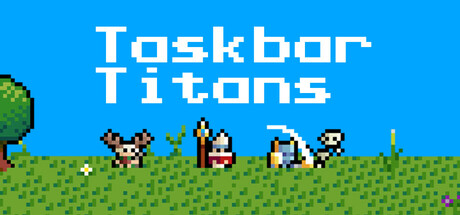
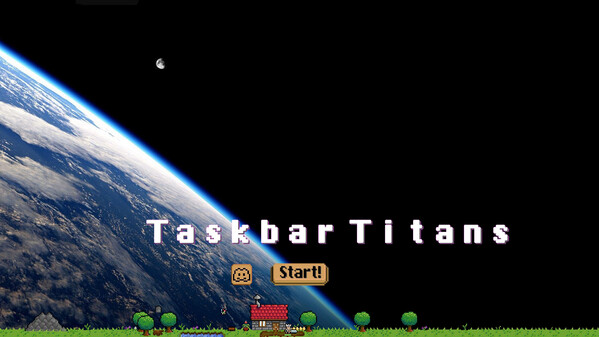
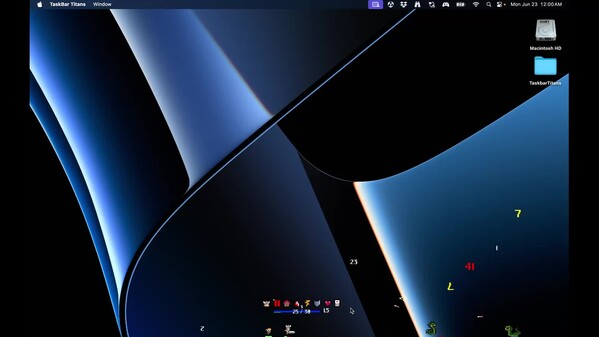
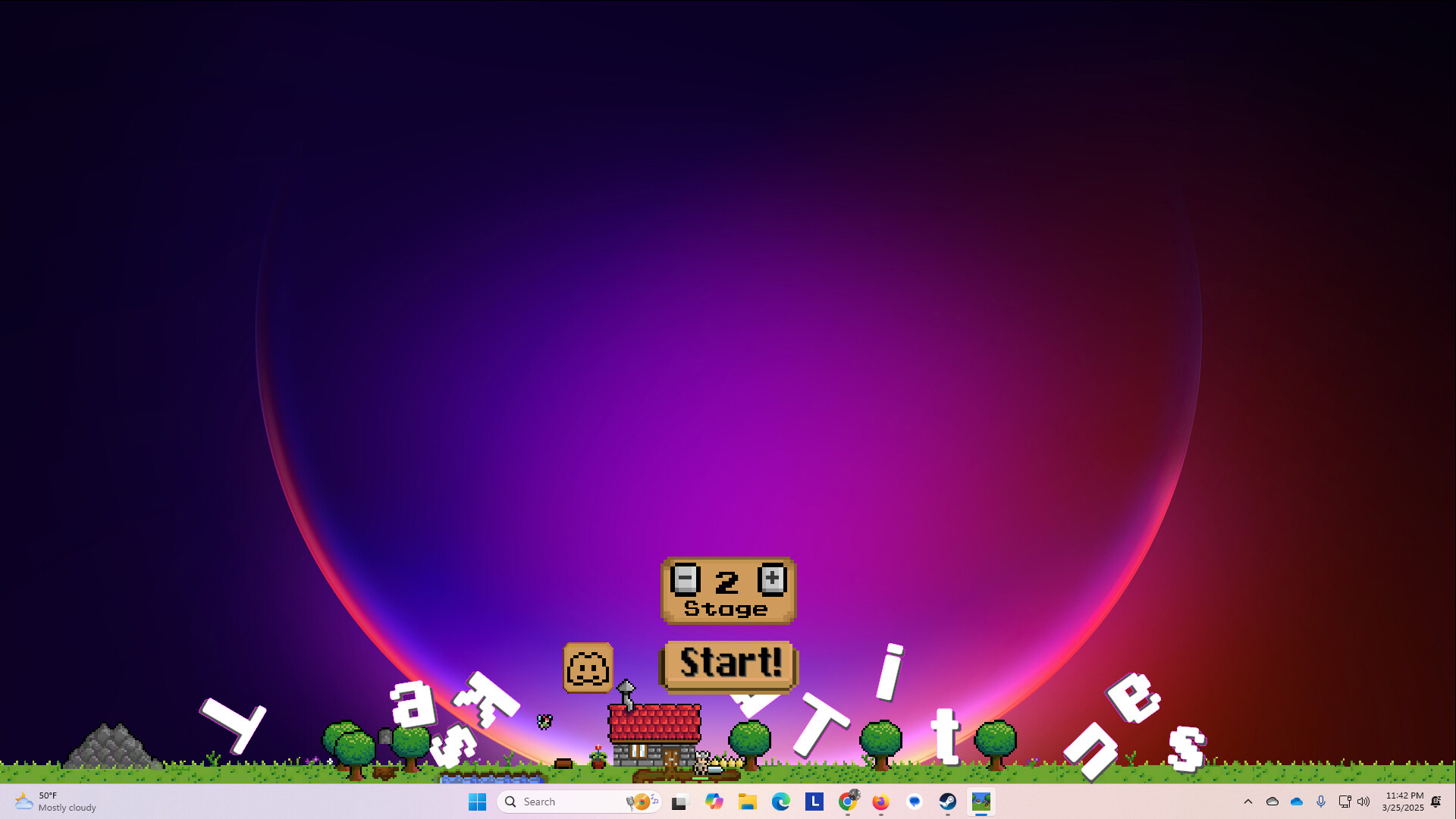
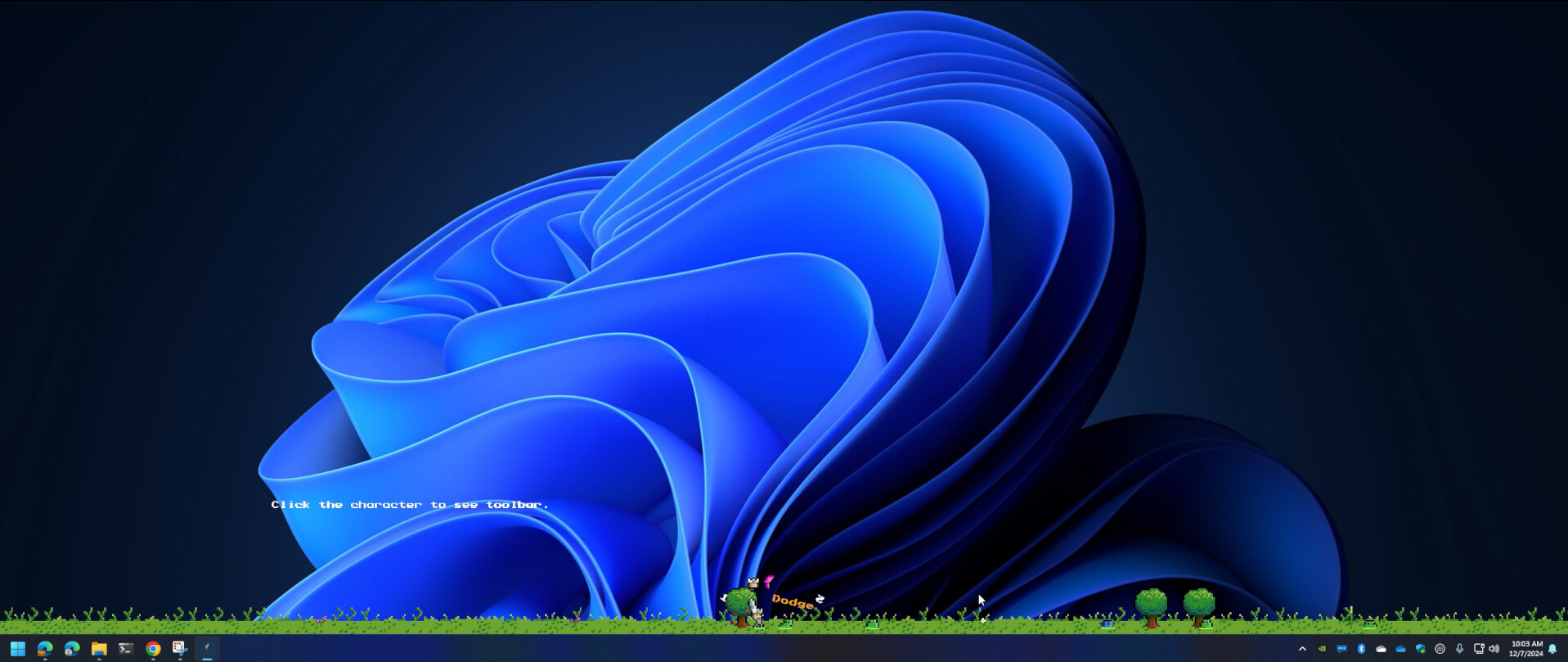
This early access semi-idle game may still be in development, but there's already enough substance to give players a solid preview of what’s to come. At its core, the gameplay is simple: pick a hero (starting with only the barbarian), and watch them endlessly march to the right along your taskbar, automatically engaging enemies that cross their path.
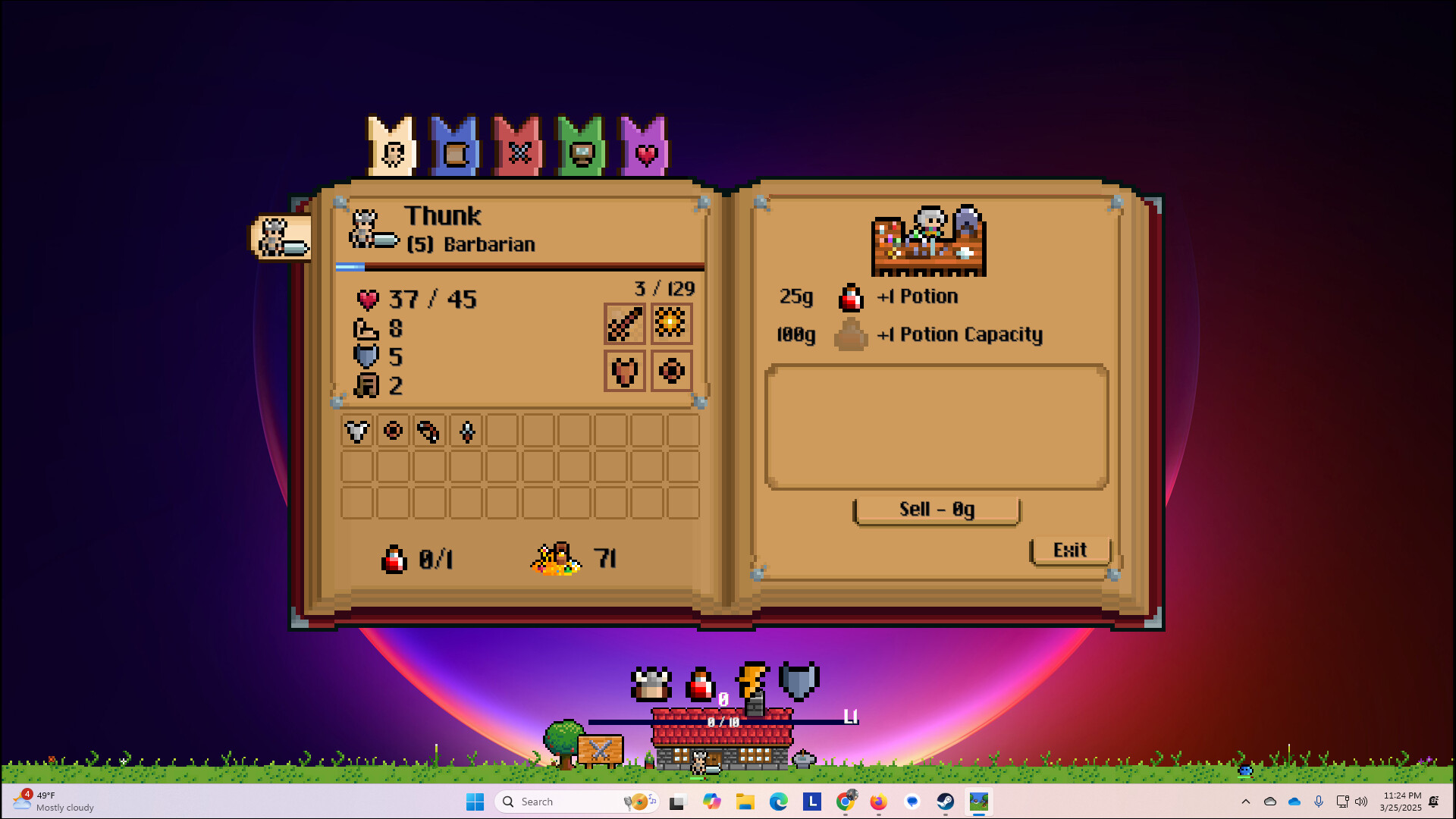
Defeated foes drop experience, coins, and gear. This loot that can be sold or equipped to improve your hero’s stats. With a generously sized inventory, players don’t need to micromanage space, though gear sales are limited to in-game shops that appear sporadically during runs.
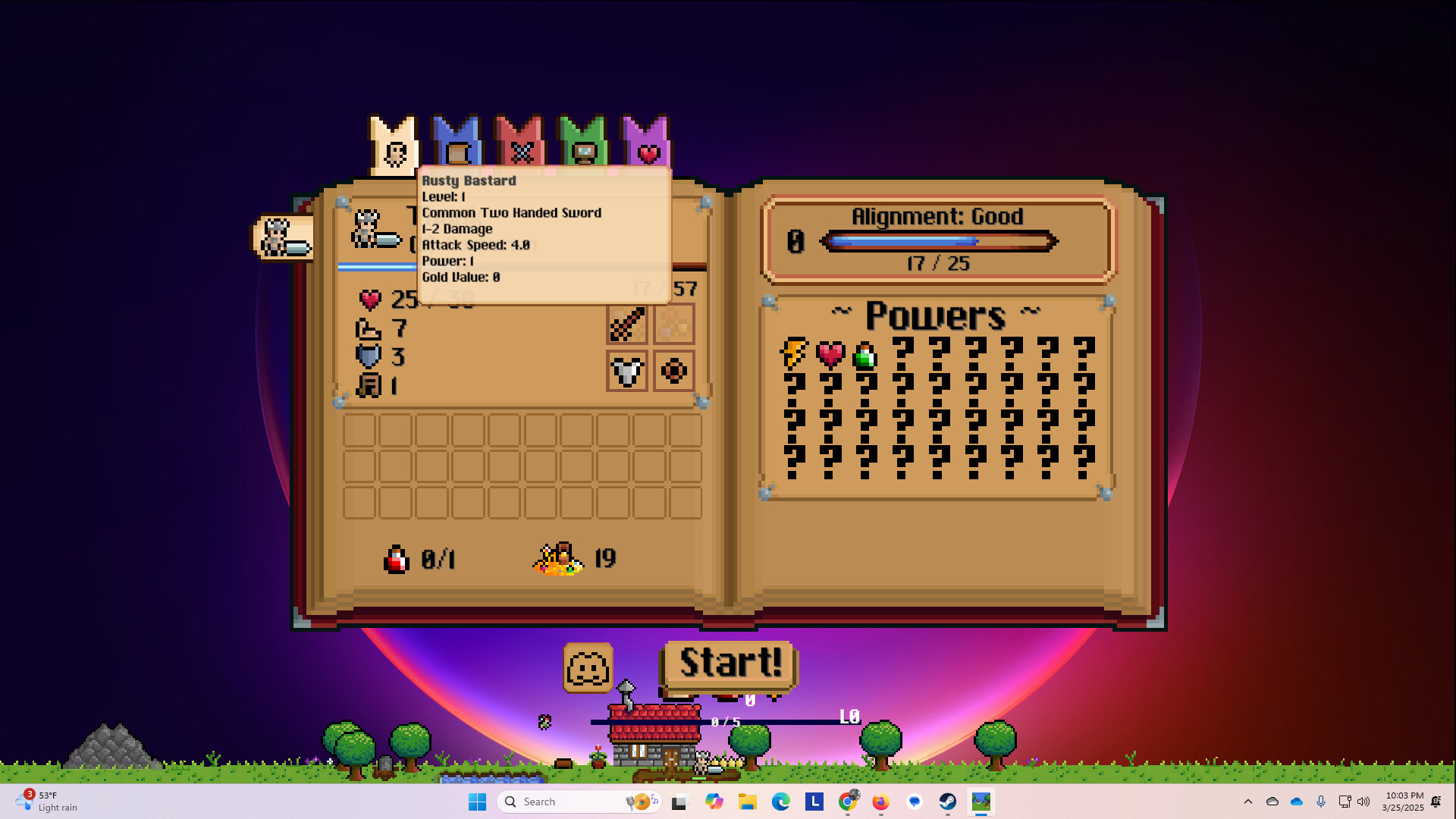
Leveling up is classic RPG fare, letting you allocate points into health, strength, armor, or luck. You can tinker with your hero’s build at your leisure, preferably when the current run ends in failure.
Active players are rewarded. A lightning bolt lets you manually strike enemies (or even your own hero) when you’ve built up enough energy, which regenerates over time but caps out unless you keep using it. Repeated use charges a skill bar that unlocks new abilities and extends your energy limit. Each skill has a cost and cooldown, which helps keep things balanced and prevents spamming.
One of the game’s more intriguing systems is its alignment.. Skills are divided between “good” and “evil,” with alignment determined by who you choose to attack—enemies or yourself. It’s a clever twist that forces a decision early on: trying to flip alignments mid-run can feel like undoing your own progress. If you want to go bad, you’ll first have to erase all your good alignment gains.
As a semi-idle game, it's forgiving of your attention span. Your hero can heal passively if they have a potion, but those are rare, so most runs have an inevitable end. That’s when you bring your hero back and send it on another run. A hero can also be brought home before it loses all health points, but there’s a bug here that prevents you going on another run. To fix it, you need to return to the main menu and load the current game.
Defeated foes drop experience, coins, and gear. This loot that can be sold or equipped to improve your hero’s stats. With a generously sized inventory, players don’t need to micromanage space, though gear sales are limited to in-game shops that appear sporadically during runs.
Leveling up is classic RPG fare, letting you allocate points into health, strength, armor, or luck. You can tinker with your hero’s build at your leisure, preferably when the current run ends in failure.
Active players are rewarded. A lightning bolt lets you manually strike enemies (or even your own hero) when you’ve built up enough energy, which regenerates over time but caps out unless you keep using it. Repeated use charges a skill bar that unlocks new abilities and extends your energy limit. Each skill has a cost and cooldown, which helps keep things balanced and prevents spamming.
One of the game’s more intriguing systems is its alignment.. Skills are divided between “good” and “evil,” with alignment determined by who you choose to attack—enemies or yourself. It’s a clever twist that forces a decision early on: trying to flip alignments mid-run can feel like undoing your own progress. If you want to go bad, you’ll first have to erase all your good alignment gains.
As a semi-idle game, it's forgiving of your attention span. Your hero can heal passively if they have a potion, but those are rare, so most runs have an inevitable end. That’s when you bring your hero back and send it on another run. A hero can also be brought home before it loses all health points, but there’s a bug here that prevents you going on another run. To fix it, you need to return to the main menu and load the current game.
7 found helpful
Steam ↗