▲ Recommended
0 hrs
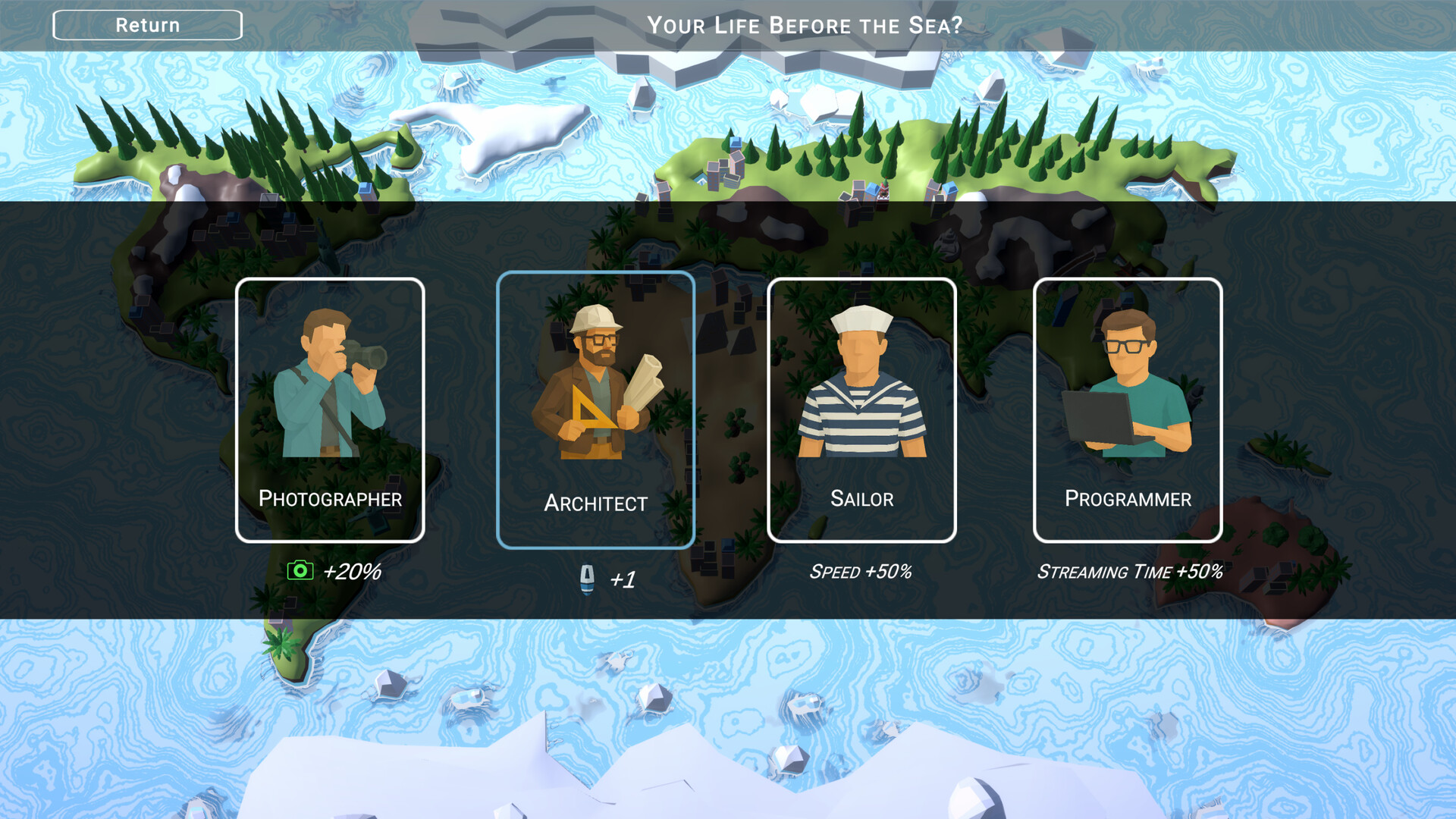
The premise is that you want to sail around the world. After choosing one of the starting characters, each with a unique perk such as increased speed or a higher chance of catching rare fish, you buy a boat with your savings. That does not leave you with much money for the long journey, so you accept an offer from a streaming platform that wants to follow your trip.
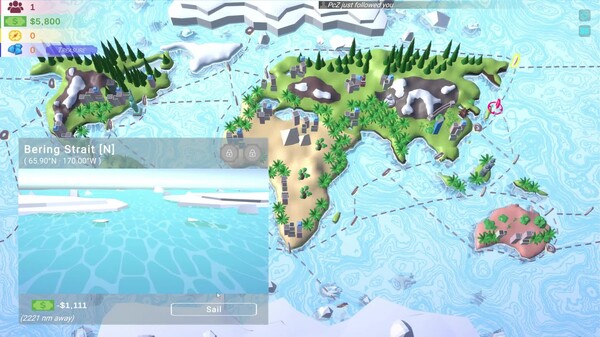
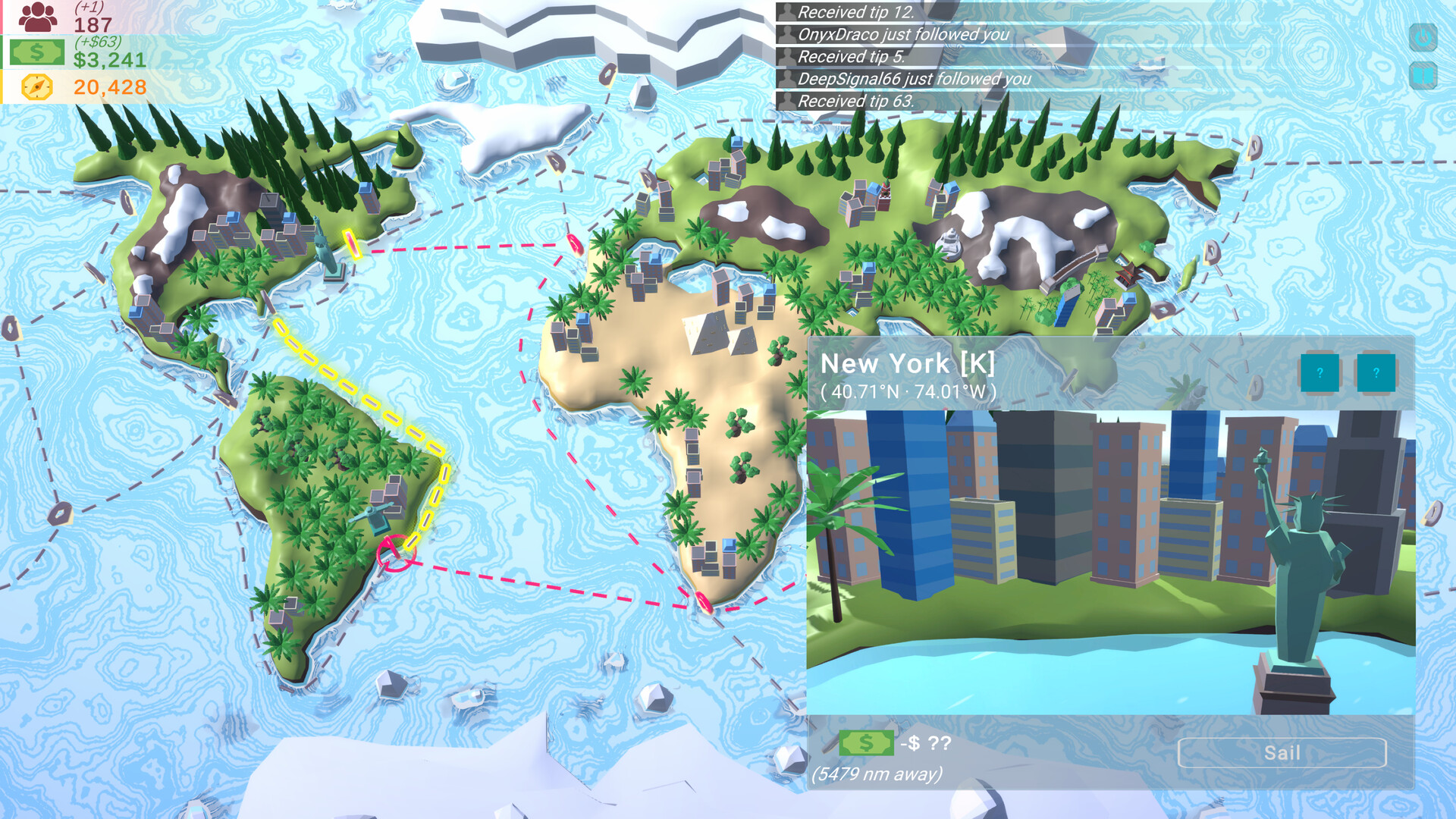
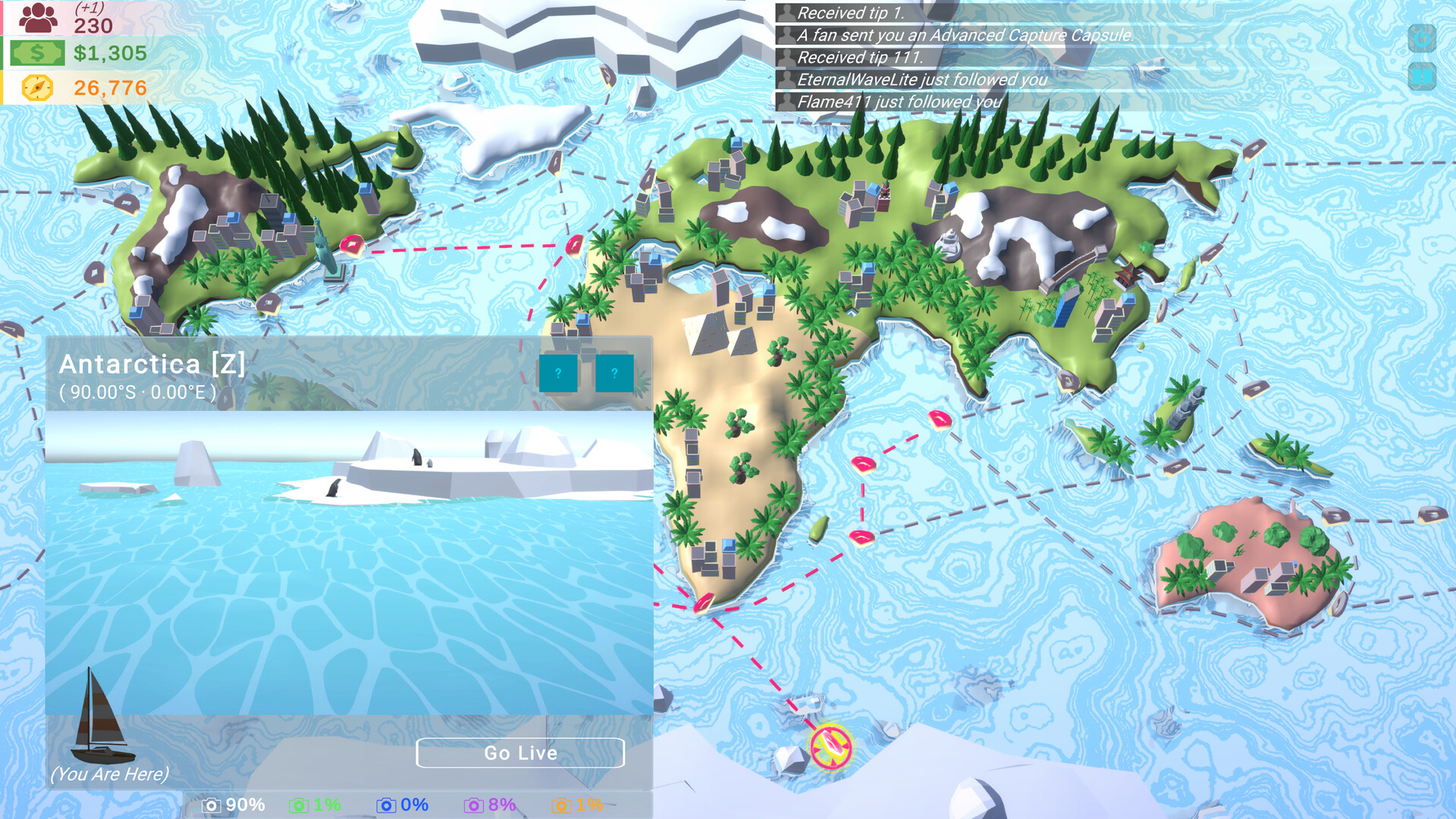
The game mixes small idle elements with mostly active gameplay. On the idle side, you slowly gain followers who occasionally send you money. The active part takes place on a world map where you can visit different locations, although you can only travel to spots that are connected by lines.
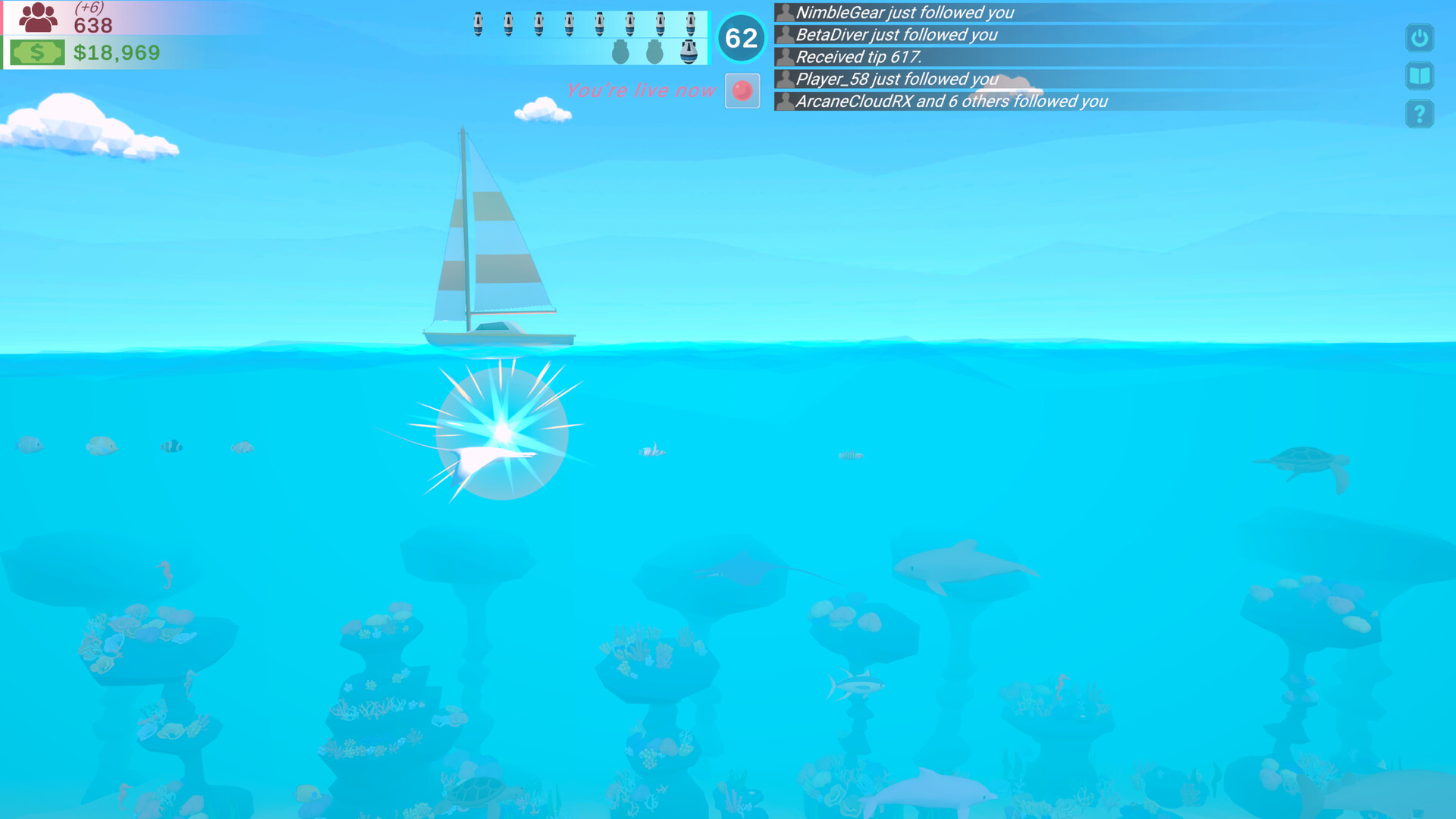
Each trip to a new location costs money. To earn it faster, you start streaming at your current spot and play a mini game where you photograph fish. You control the boat on the surface, moving left and right while dropping bombs on fish swimming below. You have a limited number of bombs, but you can play the mini game as many times as you want.
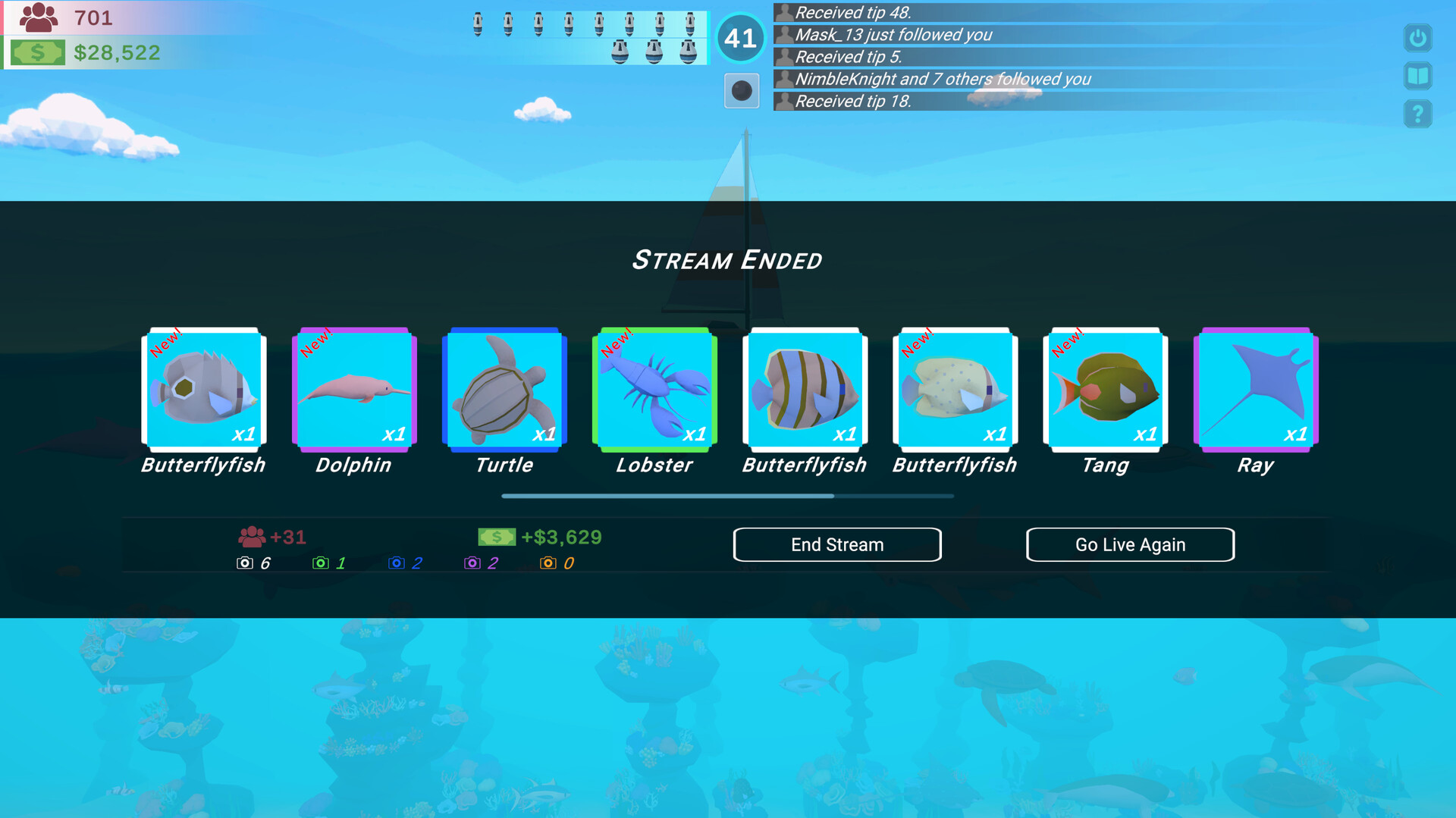
Every fish you hit earns some money. Some fish are rarer and require several hits to capture. However, the real goal is not money but the number of nautical miles you travel. These miles accumulate with every trip to a new destination. Once you reach a certain threshold, you must restart the journey and receive one treasure.
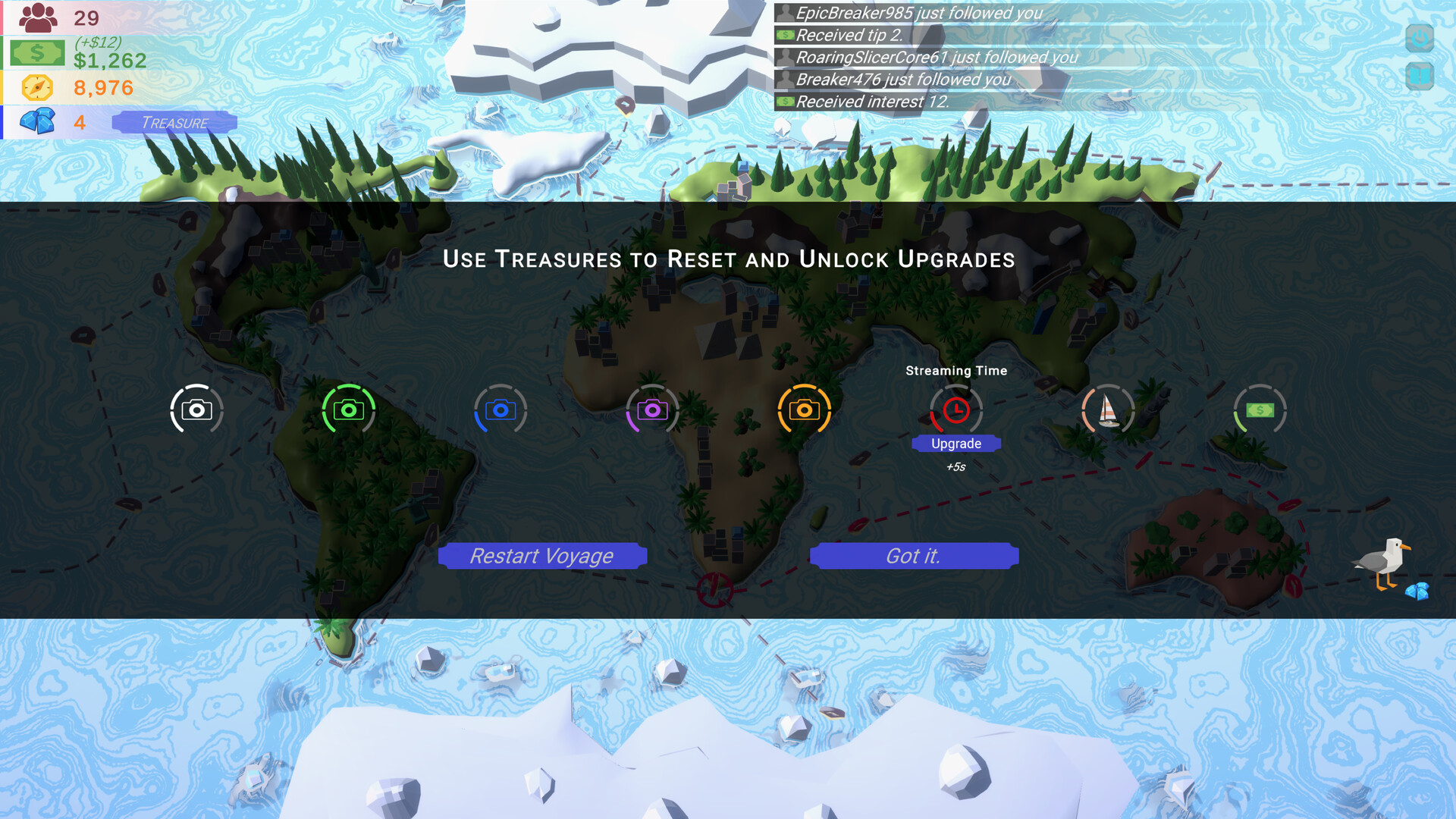
This treasure can be used in the next run to unlock upgrades. These include increased income from different types of fish, higher speed, and interest on your money. However, the upgrade system fits the game’s low price, which means it does not add much long term excitement because the improvements make only a small difference.
In fact, restarting is not even necessary if you want all the achievements. You can simply find a good location and grind until you have enough money to travel to spots that grant extra bombs. With enough bombs and a decent number of followers, you can keep grinding at the same location until you earn enough nautical miles to reach the achievement.
▲ Recommended
13 hrs
Idle Sailor is a casual incremental simulation game developed and published by PcZ Games that invites players to embark on a relaxing ocean journey built around gradual progression and light exploration. Rather than focusing on intense action or complex management systems, the game embraces the core philosophy of the idle genre: steady advancement over time with minimal active input. Players take the role of a sailor traveling across the world’s oceans while broadcasting their voyage to an ever-growing audience. Through sailing, collecting marine life photographs, and upgrading their vessel, players slowly transform a humble sea trip into a worldwide exploration project fueled by an expanding community of followers.
The game begins with a modest sailboat and a small starting route, establishing a humble beginning for the player’s maritime adventure. Early voyages are relatively short and produce only modest earnings, but the foundation of the game’s progression quickly becomes apparent. As the ship sails automatically between locations, players earn resources and followers who watch the journey unfold through the in-game livestream mechanic. These followers become the primary source of income, turning each voyage into both a travel expedition and a form of digital entertainment for an expanding audience. The concept gives the incremental gameplay loop a narrative framework, making it feel less like a traditional idle clicker and more like a slow-growing adventure documented across the oceans.
Progression in Idle Sailor revolves around reinvesting the earnings generated during voyages into upgrades that improve the efficiency of future trips. Players can increase sailing speed, enhance their boat’s capabilities, and unlock new routes that extend the reach of their journey. As upgrades accumulate, the pace of progress accelerates noticeably. What begins as a slow drift across nearby waters eventually evolves into long-distance travel connecting distant seas and coastal regions around the world. This gradual transformation from a small personal voyage into a large-scale exploration network is one of the most satisfying aspects of the game.
The map system plays a major role in maintaining a sense of discovery. New sailing destinations gradually become available as players unlock upgrades and reach specific milestones. These destinations represent different parts of the world, creating the feeling of a global journey rather than a series of repetitive routes. Each new area offers fresh opportunities for collecting resources and expanding the player’s influence as an online sailing personality. Watching the map slowly expand with new routes and locations helps reinforce the feeling of long-term progress that defines the idle genre.
One of the more engaging features in Idle Sailor is the underwater photography system. During certain moments in a voyage, players can dive beneath the ocean’s surface to capture photographs of marine life. These brief interactive segments interrupt the otherwise passive gameplay and provide small moments of activity. Successfully photographing fish adds them to a growing in-game collection, effectively functioning as a marine encyclopedia. With over one hundred species to discover, this feature adds an additional objective beyond simply generating income and upgrading equipment. It encourages players to explore new regions where different fish can be found and documented.
The livestream concept further enhances the game’s theme by framing the entire adventure as a broadcasted journey followed by an audience. As the player’s travels become more ambitious, the number of viewers increases, generating additional revenue and unlocking more opportunities for upgrades. This mechanic gives the game a sense of purpose beyond basic resource accumulation. Instead of simply collecting currency, players are effectively building a digital reputation as an ocean explorer sharing their experiences with a growing community.
Another key element of the game’s long-term structure is its reset or prestige system. After reaching certain milestones, players can restart their journey from the beginning while retaining permanent bonuses that improve future progress. This feature allows players to move through the early stages of the game more quickly during subsequent playthroughs. Over time, these resets significantly accelerate the pace of advancement, turning early struggles into quick stepping stones toward larger goals. The prestige system helps maintain engagement by ensuring that each new cycle of play feels more efficient and rewarding than the last.
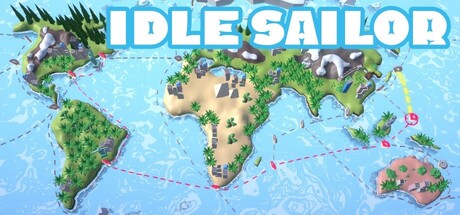
Visually, Idle Sailor adopts a clean and colorful art style that complements its calm atmosphere. The ocean environments are stylized rather than realistic, featuring bright water surfaces, simple ship models, and clear user interface elements designed for easy readability. The fish collection also benefits from this stylized presentation, with each species depicted in a distinct and recognizable way. The graphics do not aim for high realism but instead focus on clarity and charm, which suits the relaxed tone of the experience.
The audio design reinforces the game’s tranquil mood. Gentle background music accompanies the sailing sequences, creating a peaceful atmosphere that reflects the slow rhythm of ocean travel. The soundtrack remains unobtrusive, allowing players to leave the game running in the background without becoming overwhelmed by repetitive or intrusive sounds. This design choice aligns well with the idle gameplay structure, where the game often runs passively while players periodically check in to manage upgrades or collect rewards.
Like many incremental games, Idle Sailor is not without its limitations. Because much of the gameplay happens automatically, players seeking constant interaction or complex strategic decision-making may find the experience somewhat repetitive over time. The core loop of sailing, earning resources, and upgrading equipment remains largely unchanged throughout the game. While the photography system and exploration mechanics provide some variety, the majority of the gameplay still revolves around waiting for progress to accumulate.
Another limitation is the relatively minimal narrative depth. Although the livestream framing adds personality to the concept of the voyage, the game does not feature a detailed story or character development. The player’s journey is driven more by mechanical progression than by narrative events, which may leave some players wishing for more storytelling elements to accompany the exploration.
Despite these drawbacks, Idle Sailor succeeds in creating a relaxing and satisfying incremental experience. Its combination of ocean travel, marine life collection, and gradual progression creates a sense of calm adventure that unfolds slowly over time. Watching the sailing routes expand across the world and building a growing audience of followers can be surprisingly rewarding, especially for players who enjoy games that emphasize steady growth rather than fast-paced action.
Overall, Idle Sailor stands as a charming example of how idle mechanics can be applied to a travel-themed simulation. The blend of passive sailing, collectible photography, and incremental upgrades creates a gentle gameplay loop that encourages players to return regularly and continue expanding their maritime journey. While the experience remains simple compared to more complex management games, its relaxing atmosphere and steady progression make it an appealing choice for fans of idle simulations and casual exploration games.
Rating: 7/10