▼ Not recommended
0 hrs
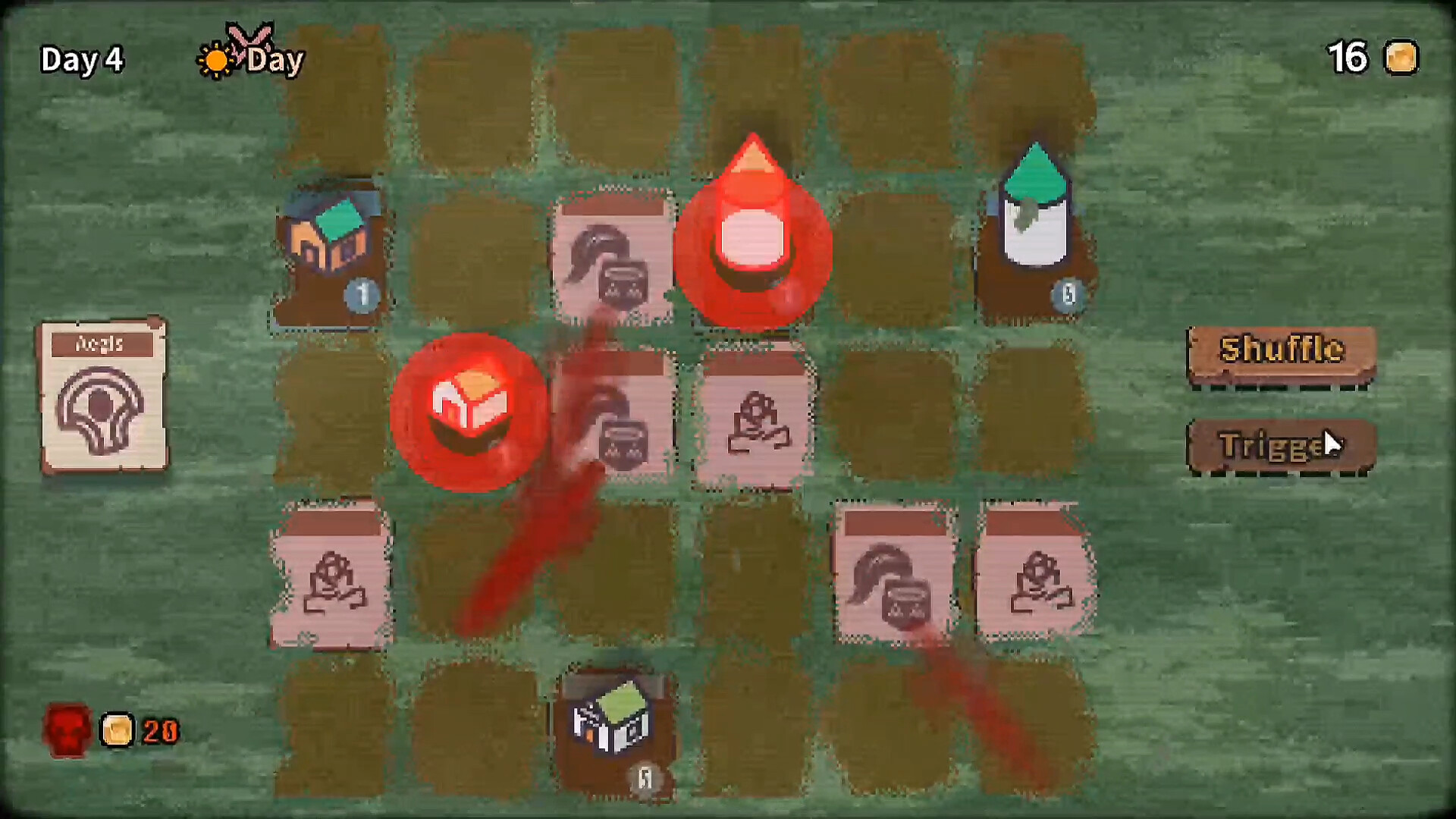
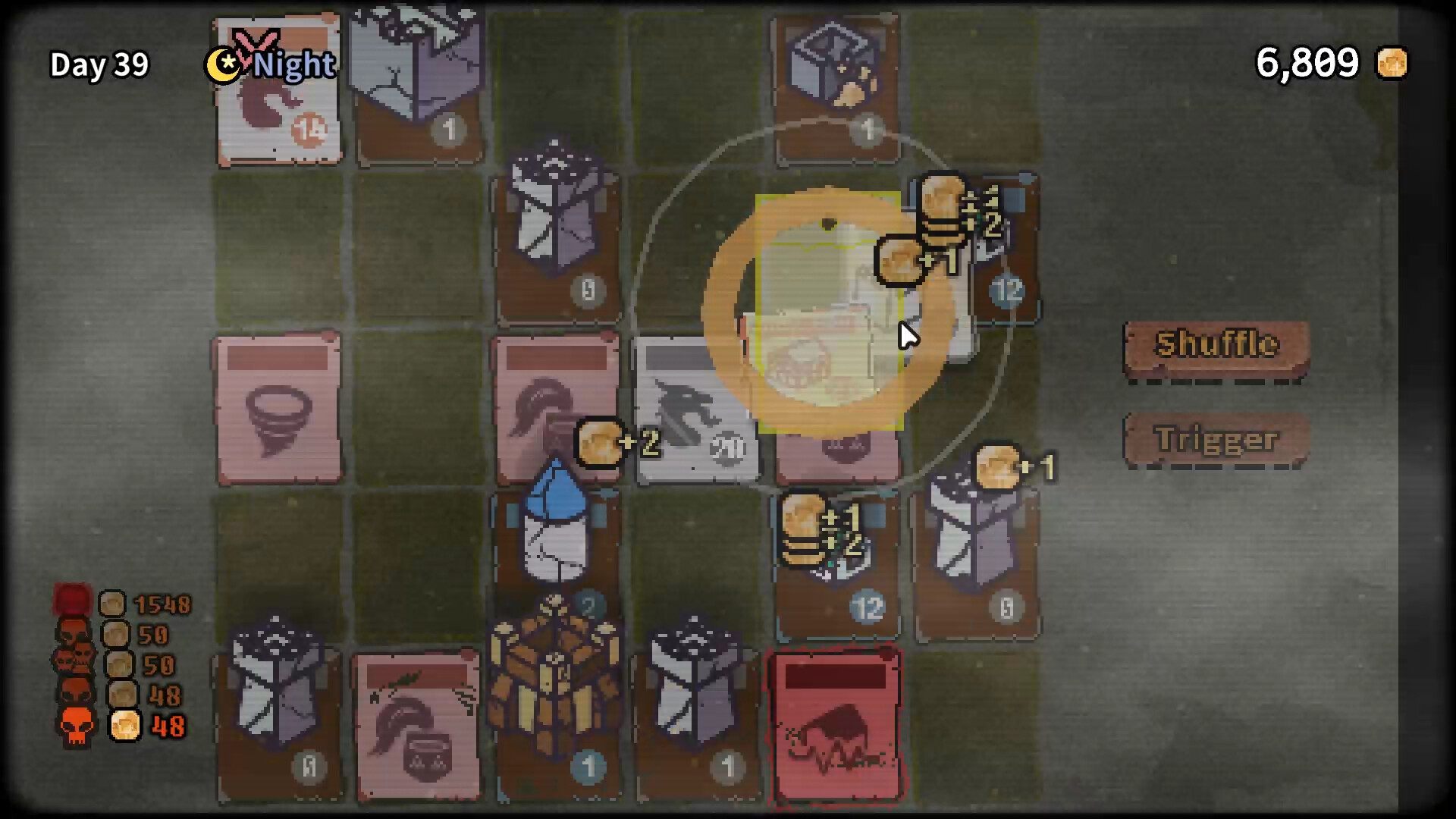
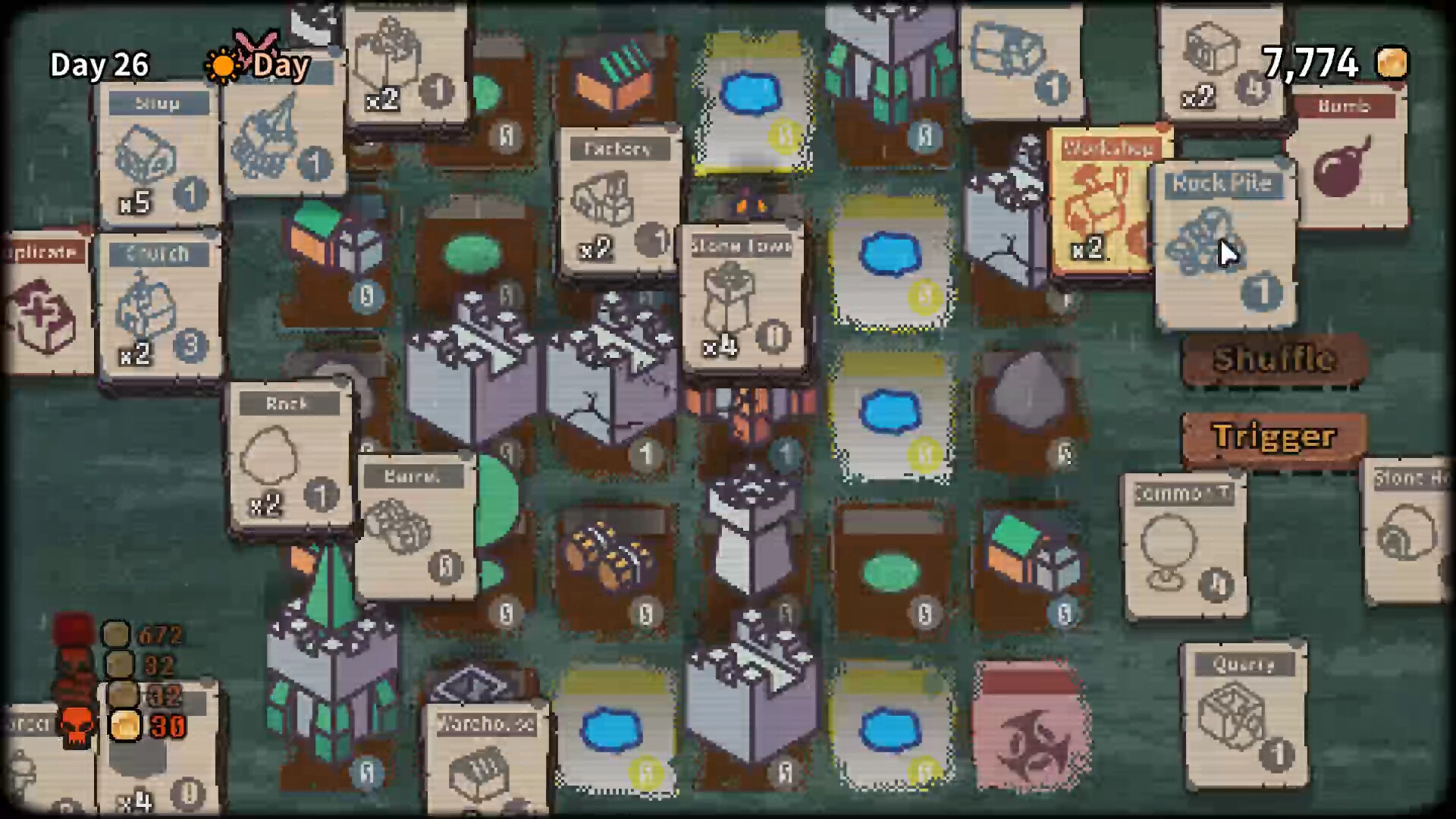
If you're looking for a skill based card tile game like stacklands, look elsewhere. This is a game where you place cards, they generate money and you spend that money to make the hostile cards disappear before they destroy your cards. Where the skill evaporates is at the end of the turn where every card on the board shuffles positions and most of the cards generate minimal gold unless rng places them right next to another compatible card like stones and a quarry. As soon as you fill the board you'll be crossing your fingers for your cards to line up or in other words, you'll realise you're playing a slot machine.
▲ Recommended
8 hrs
Card Colony is a strategic hybrid game that successfully combines deckbuilding systems, tower defense mechanics, and colony management into a surprisingly addictive survival experience. Developed and published by iKiNG, the game revolves around building a defensive settlement using cards that represent structures, towers, and utility functions while surviving continuous enemy assaults. Rather than focusing on direct action or large-scale real-time combat, the gameplay emphasizes careful planning, efficient resource management, and long-term tactical thinking as players slowly expand and defend their growing colony.
The core gameplay loop is built around a card-driven strategy system where players draw cards from a customizable deck and place them onto a tile-based battlefield. These cards determine everything from economic growth to defensive structures, meaning every decision directly impacts the colony’s survival. Unlike many simpler tower defense games, Card Colony forces players to think beyond pure combat efficiency. Building a strong economy becomes just as important as constructing effective defenses because resources are necessary for maintaining expansion and surviving increasingly difficult enemy waves.
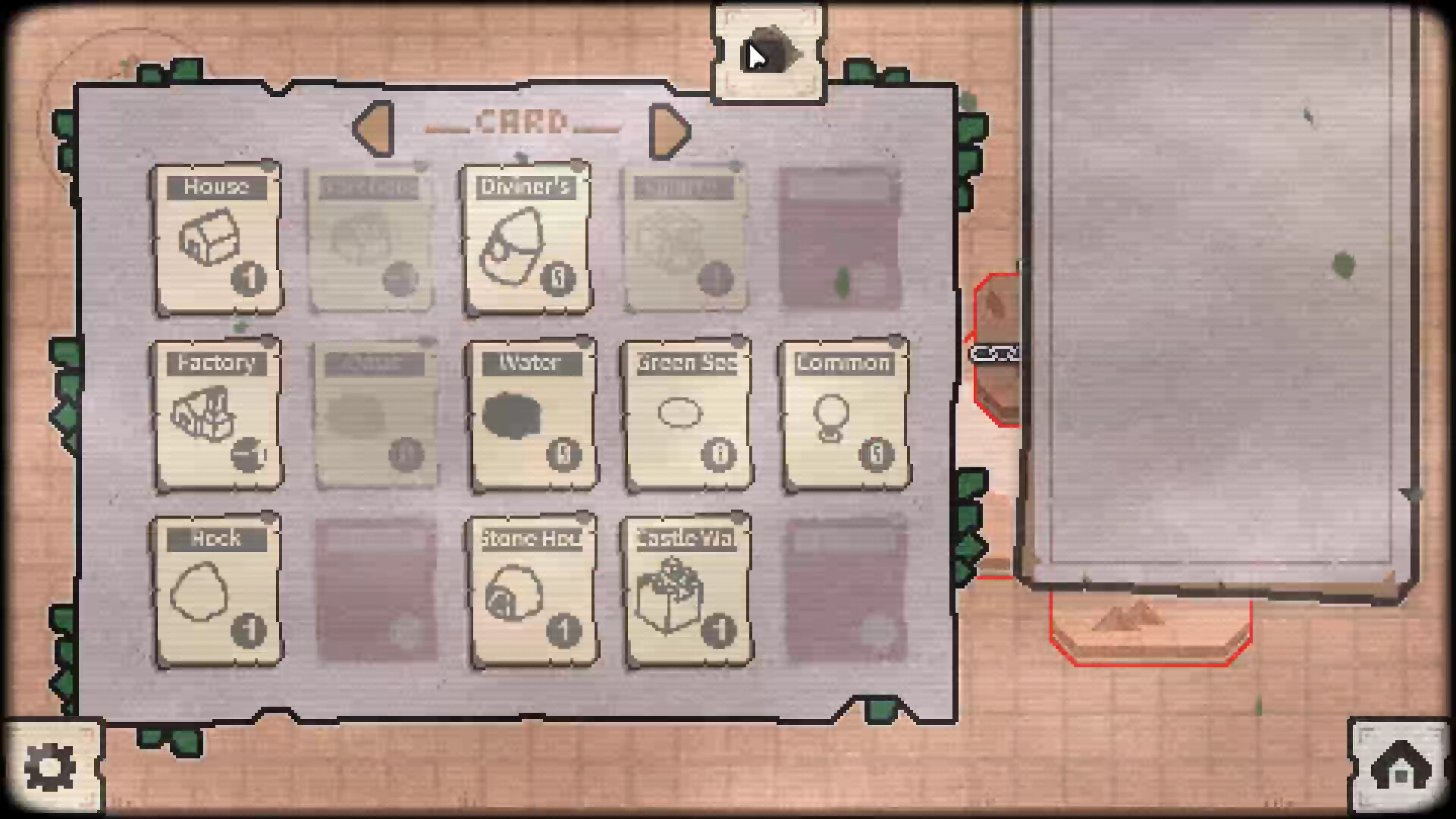
One of the game’s biggest strengths is how naturally its deckbuilding mechanics blend with the colony defense systems. Cards are not simply offensive abilities or temporary bonuses. Instead, they function as the foundation of the entire settlement-building process. Choosing which cards to include in a deck dramatically changes how each run unfolds, encouraging experimentation with different strategies and combinations. Some decks focus heavily on rapid economic growth, while others prioritize defensive firepower or battlefield control. This flexibility gives the gameplay a satisfying sense of strategic depth despite the game’s relatively modest scale.
The resource management systems add another important layer of tension to the experience. Gold generation is critical for maintaining the colony and expanding defensive capabilities, but investing too heavily in economy can leave the settlement vulnerable during enemy attacks. On the other hand, overcommitting to military defenses may slow long-term growth and limit future expansion opportunities. This constant balancing act between survival and development creates much of the game’s strategic appeal.
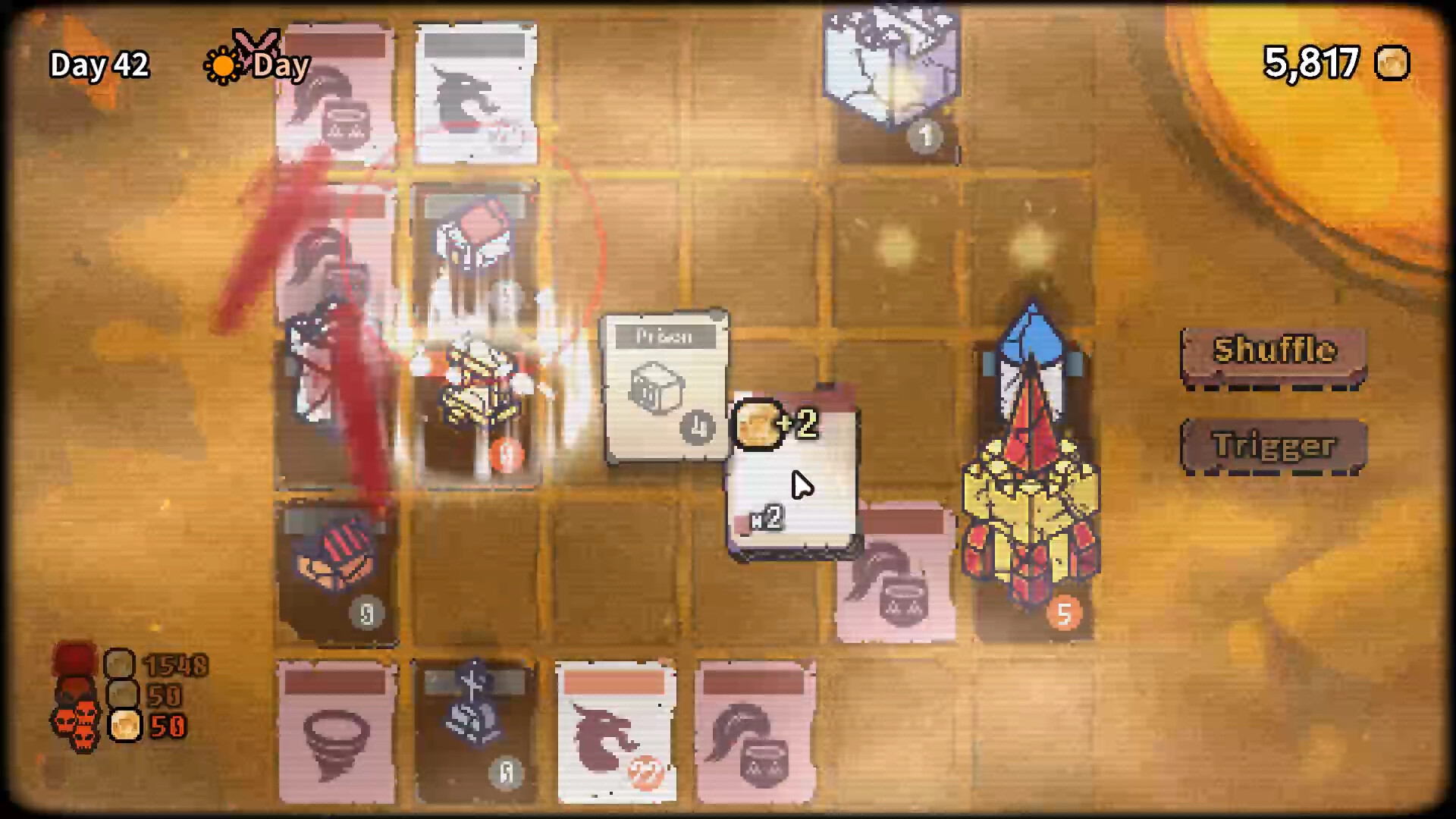
Combat itself is methodical rather than action-oriented. Enemies approach the colony in increasingly dangerous waves, forcing players to adapt their layouts and strengthen vulnerable areas before the situation spirals out of control. Different defensive structures and support cards allow for multiple strategic approaches, whether focusing on raw offensive damage, crowd management, or efficient resource optimization. The escalating enemy pressure creates satisfying moments where careful preparation and smart positioning determine whether the colony survives another assault.
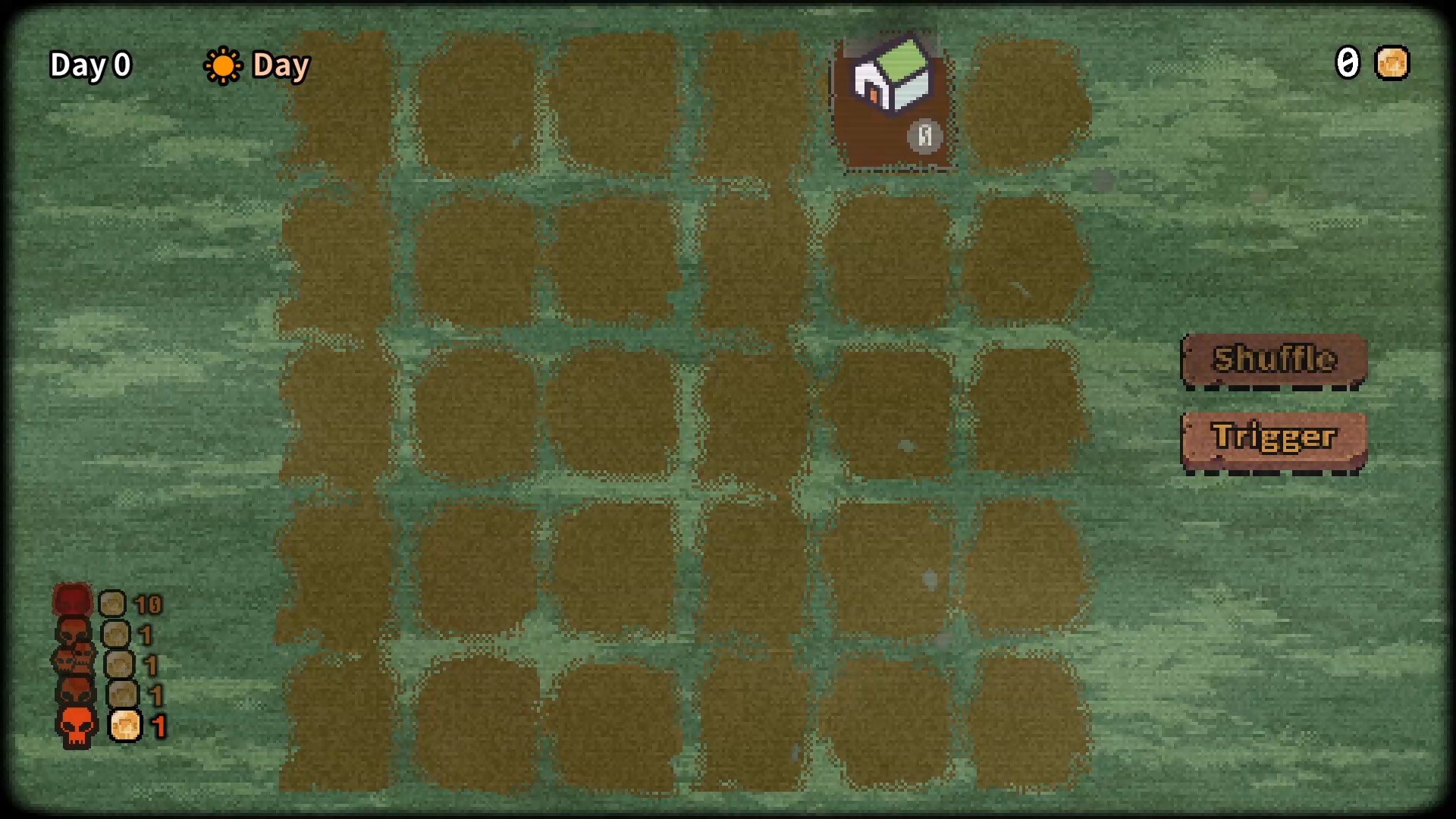
The tile-based placement system also contributes significantly to the strategic depth. Space is limited, meaning every structure placement affects future building opportunities and defensive coverage. Efficient layouts become essential as the colony expands because poor positioning choices can create weak points that enemies exploit later in the game. Watching a small settlement slowly evolve into a carefully organized defensive network creates a rewarding sense of progression throughout each run.
Visually, Card Colony uses a minimalist art style that prioritizes clarity over graphical complexity. Cards, structures, and enemy units remain easy to identify during hectic moments, and the clean interface helps players manage their settlements without unnecessary distractions. While the presentation is relatively simple overall, the visual readability works well for a strategy game centered around quick tactical decisions and careful planning.
The audio design is functional and unobtrusive. Sound effects provide useful feedback during combat and building placement, while the soundtrack maintains a calm strategic atmosphere that supports the slower pacing of the gameplay. The music itself is not especially memorable, but it complements the thoughtful tone of the experience without becoming repetitive or distracting during longer sessions.
Replayability is one of the game’s strongest features. Because each run depends heavily on card draws, deck composition, and strategic decisions, matches rarely unfold exactly the same way. Experimenting with different deck archetypes and colony layouts provides strong incentives for repeated playthroughs. Players who enjoy optimization and discovering powerful synergies will likely spend considerable time refining strategies and testing new combinations.
However, the game does suffer from some noticeable limitations. While the strategic systems are engaging initially, the gameplay loop changes very little over time. Most sessions revolve around the same cycle of placing structures, managing resources, and surviving enemy waves. Players looking for major gameplay evolution, narrative-driven content, or extensive progression systems may eventually find the experience somewhat repetitive after extended play sessions.
The indie production scale is also apparent throughout the presentation. Animations are basic, environmental variety is limited, and the overall audiovisual polish falls short of larger strategy titles within the genre. Menus and effects remain functional but simplistic, reinforcing the feeling that the project focuses almost entirely on gameplay mechanics rather than presentation quality.
Balancing issues occasionally appear as well. Certain card combinations feel significantly stronger than others, which may reduce long-term strategic diversity once players identify particularly effective builds. Random card draws can also create frustrating moments where poor luck limits strategic options despite careful planning. Although randomness is an important part of deckbuilding games, there are situations where success feels influenced more by fortunate draws than player skill.
Despite these flaws, Card Colony succeeds because it understands the strengths of its core systems. The combination of deckbuilding, colony management, and tower defense creates a gameplay loop that remains engaging through strategic experimentation and careful resource planning. The game avoids unnecessary complexity while still offering enough tactical depth to reward thoughtful decision-making.
Card Colony may not revolutionize the strategy genre or compete with the largest deckbuilding titles in terms of content and polish, but it still delivers a satisfying and intelligently designed hybrid experience. Its repetitive structure and limited presentation prevent it from becoming truly exceptional, yet the addictive combination of card management and defensive strategy makes it consistently entertaining for players who enjoy thoughtful tactical gameplay. Fans of deckbuilders, survival strategy games, and optimization-focused experiences will likely find Card Colony far more engaging than its modest appearance initially suggests.
Rating: 7/10