Back to rankings
Karta Centauri

Karta Centauri

by Unknown

★ 43%
Price $1.99
Avg Players 0
Reviews 7
Released Feb 25, 2025
2DAbstractAdventureCard Game
View on Steam ↗

What players are saying

▼ Not recommended 0 hrs
I thought it was just a bad game. But it turned out to be a piece of broken code that they are trying to sell for money.
-------------------------------------------
Я думал, что это просто плохая игра. Но оказалось, что это кусок нерабочего кода, который продают за деньги.
4 found helpful Steam ↗
▼ Not recommended 4 hrs
Warning: AI Slop
This game is partially or completely made with talentless, soulless AI generated content.


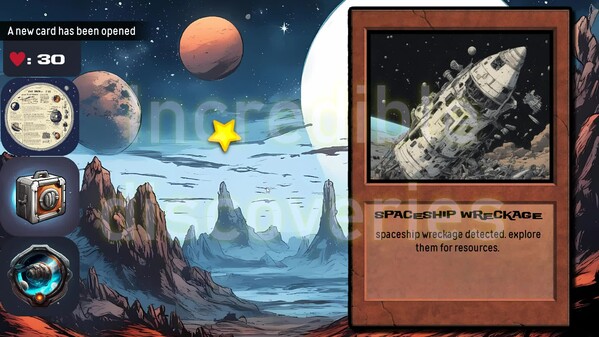
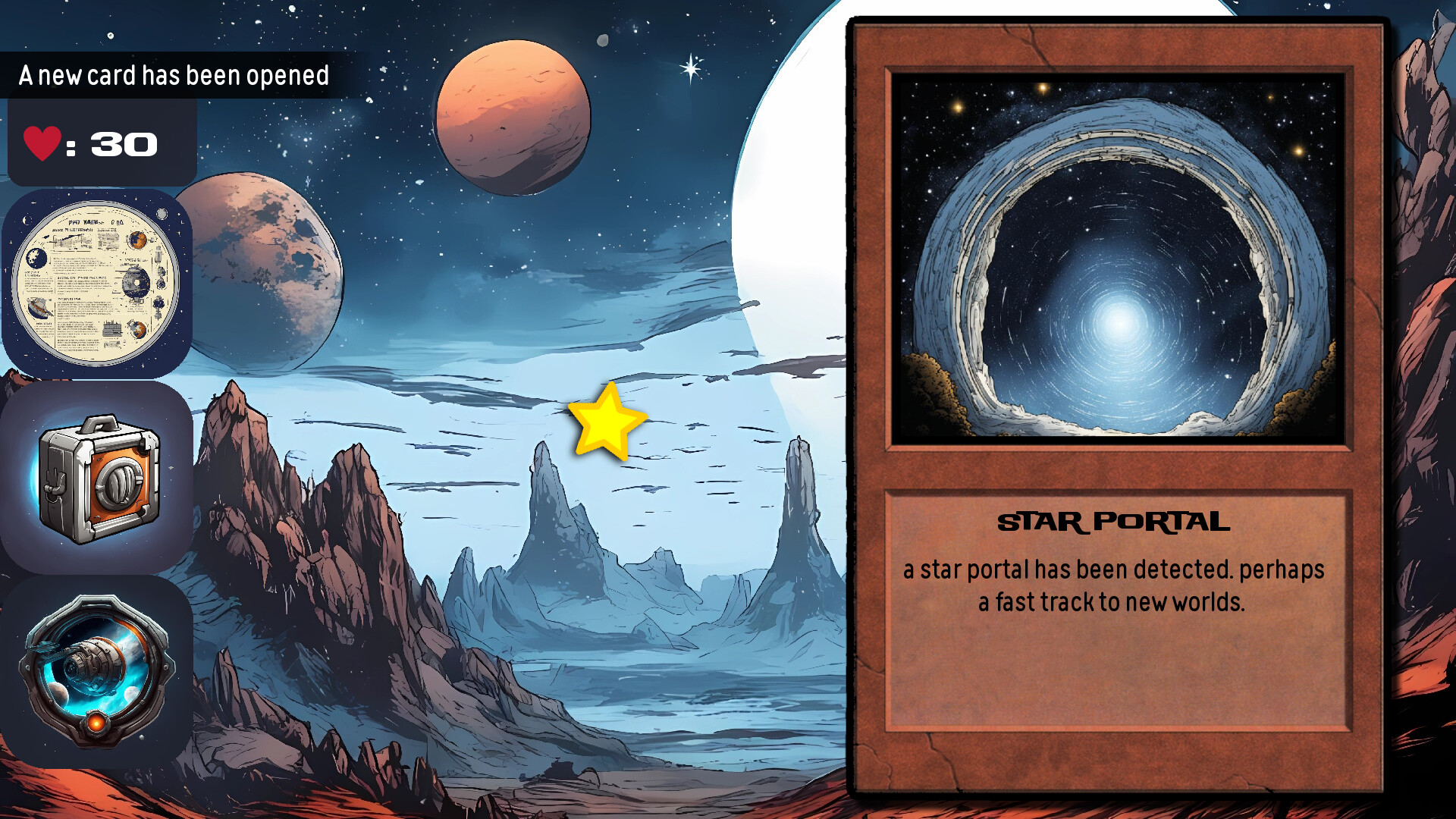
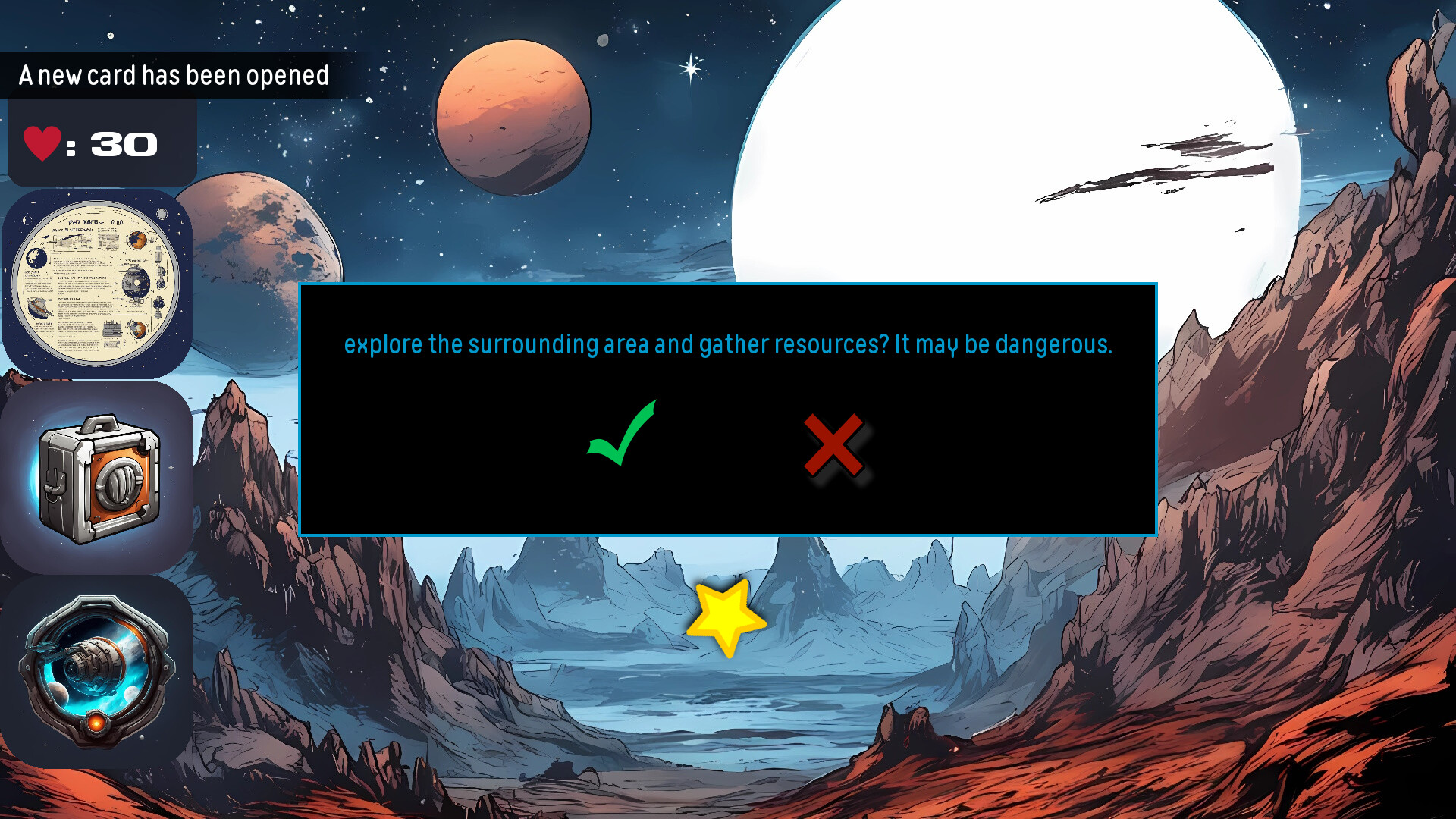
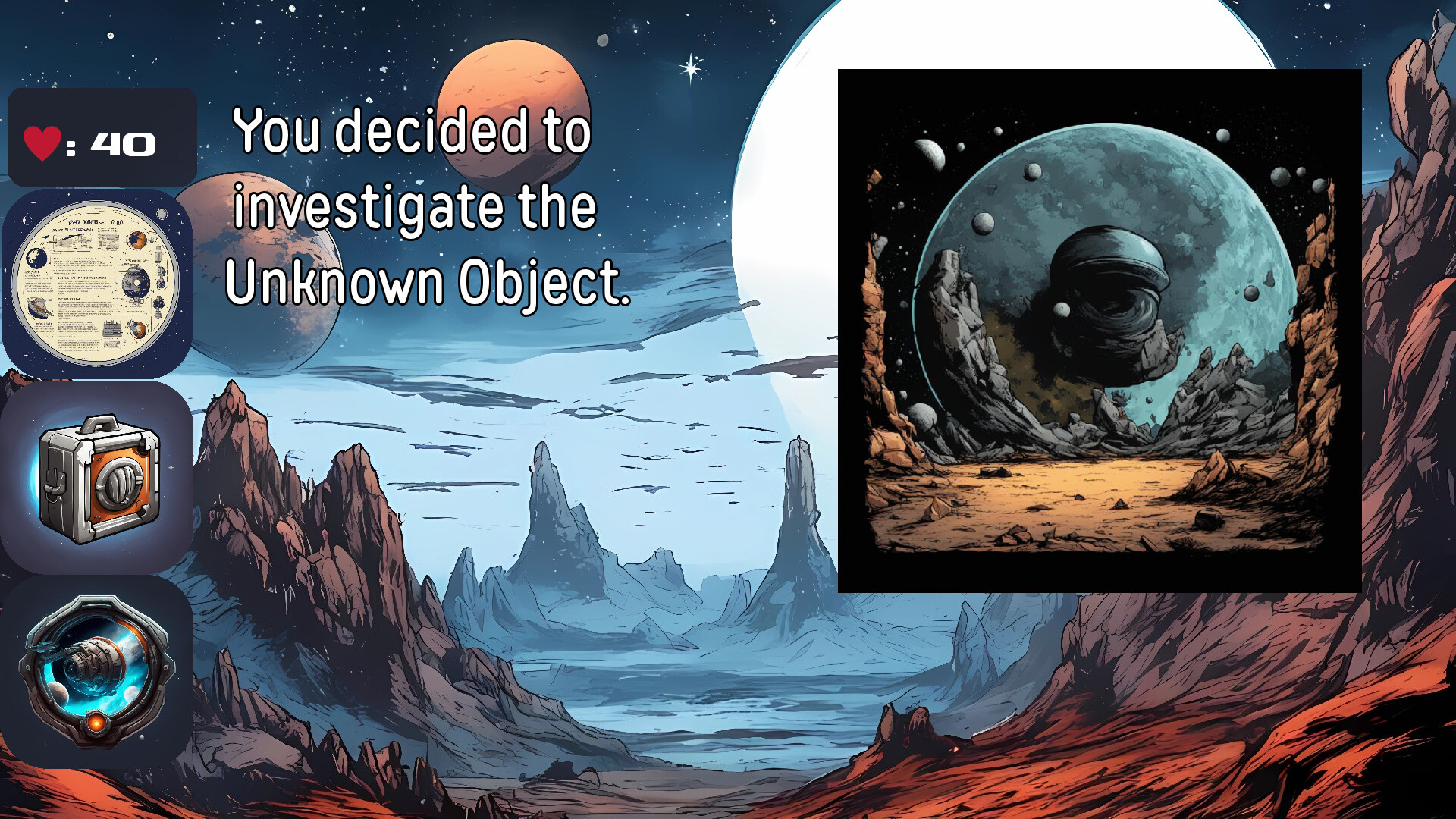
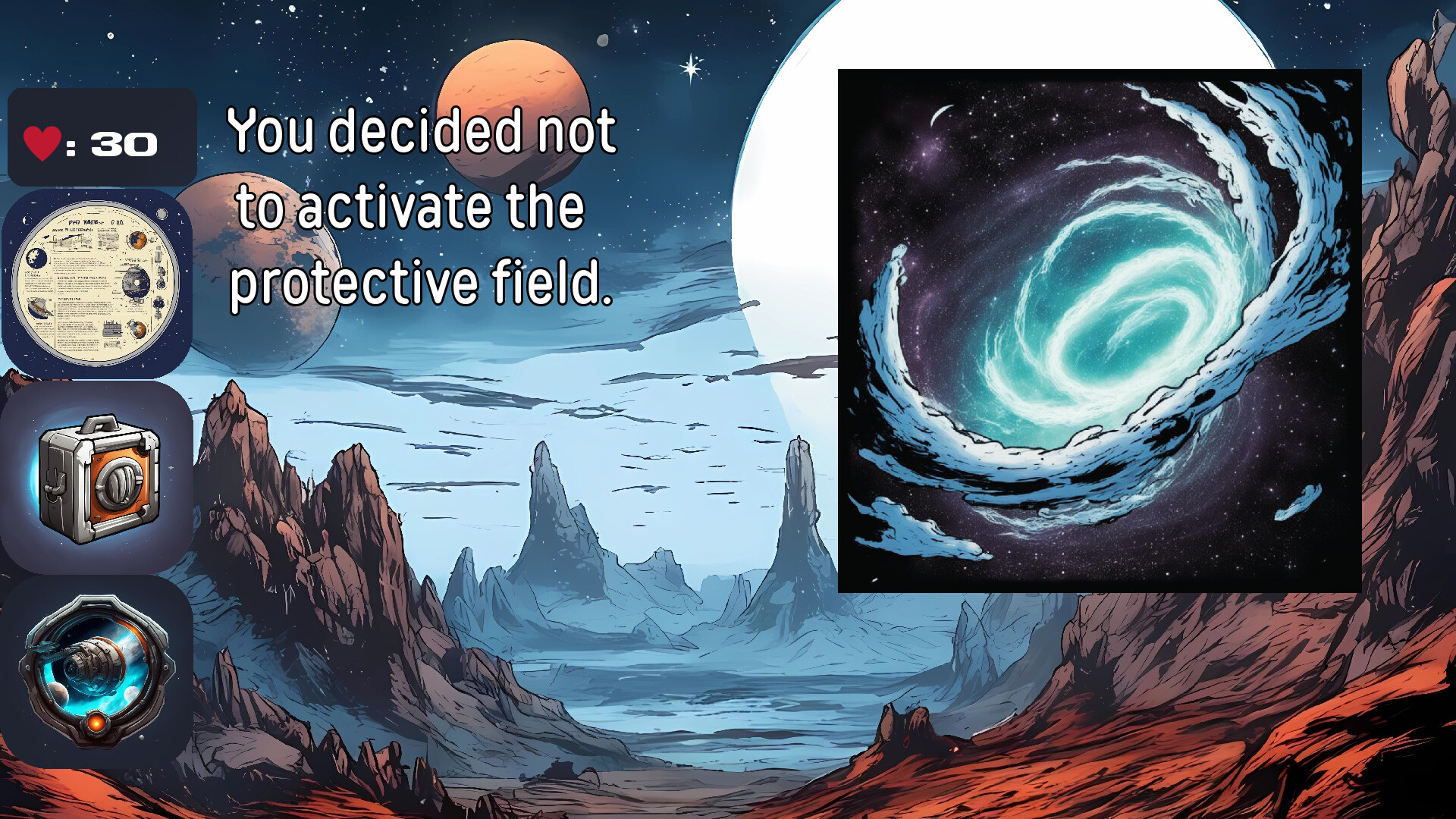
Karta Centauri is more godawful Russian fake game shovelware, this time it's a incredibly lazy text "adventure" "game" made with Ren'Py. All that happens here is you are presented with a bunch of random text scenarios and you click "yes" or "no" to decide to get involved or not, and this affects a couple of stats. The backdrops are all AI Slop, and the "developer" deliberated breached their requirement to inform gamers when AI Slop is used, in breach of Valve protocols. Who knew, a Russian asset flipper/shovelware scammer pushing a fake game doesn't care about the rules.

Remember, this guy is trying to get YOUR money for AI slop. Disgusting.

Mind you, there is something that isn't AI slop... the developer stole Wizards of the Coast intellectual property by stealing the card frame art from Magic. So we have AI slop and intellectual property theft going on.

From a technical perspective, the game doesn't meet basic minimum requirements that most PC gamers expect as standard.

There's no option to change the resolution and no useful graphics tweaks. There's no way to ensure this is running at the native resolution of your display. There's no guarantee this game will look right on any PC as a result of this hamfisted design decision.

As mentioned, this features really godawful, "wrong" looking AI slop instead of genuinely and sincerely created game assets. It's hard to say if this was because the developer didn't have the skill to do the job of creating real game assets or couldn't afford to hire someone who does, but it also doesn't matter. What matters is that this looks bad because of that decision. AI slop sticks out like a sore thumb... and it comes across as insulting.

There's also the old adage that those who lack the budget and talent to make their own game assets usually lack the budget and talent to do the rest of the job of game development properly, too, and that's glaringly obvious here.

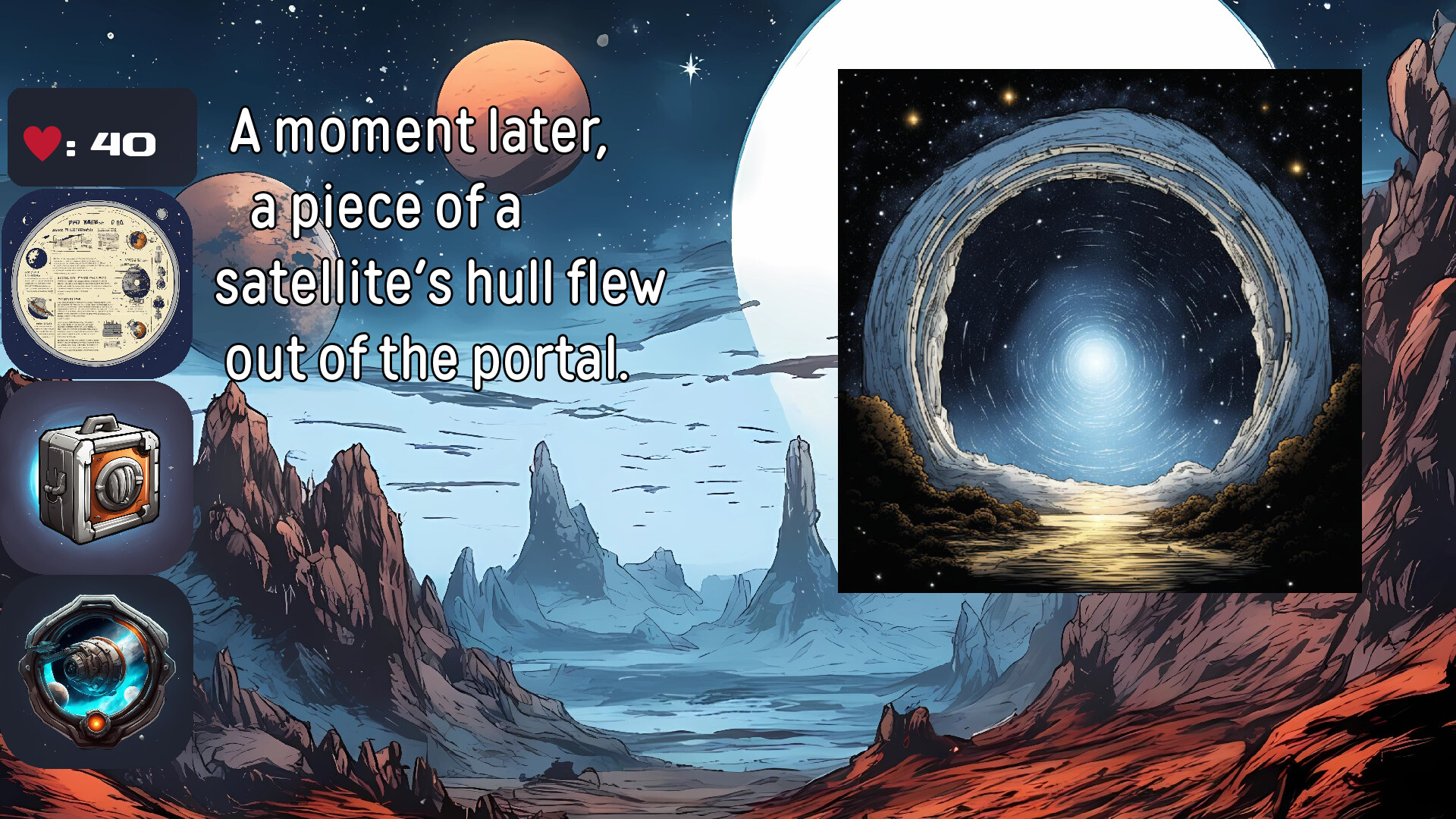
The game interface is mostly just text boxes/dialogs and features static AI slop 2D images. While an un-animated game field might be fine for the 1990s, gaming has evolved a lot since then, the ATI Rage became mainstream in 1996... it's 2025, and that kind of thing just won't fly anymore, it's just not visually up to scratch.

The controls can't be customised because the game doesn't really have any interface beyond menus and simple UI controls no different from dialog boxes in Windows Explorer. If you think about it, this barely counts as an "interactive" game. The fact that the interface is this dumbed down might be seen as a problem in itself, however... this is a fairly shallow experience if you're the kind of gamer that likes to play fully immersive games with deep, rich control schemes and interaction. You'll get none of that here.

These technical defects push this game below acceptable standards for any modern PC game.

The poor quality of this game is reflected by how many people spent time with it. At the time of this review, SteamDB shows the game all-time peak player count was only ONE player. That's right, only one person ever played this at a time. When I played this for the purposes of reviewing it, I equalled the peak player count for the game. OUCH.

In this case I just presume it's because the developer hasn't arranged his fake/paid reviews yet. There's an MO for these Russian fake games, but the fake reviews don't always show up on day #1.

The only player activity occurs once or twice a month, presumably someone loading it up to see what it is then quickly uninstalling it. Considering there's over 120 million gamers on Steam and well over 130,000 games for gamers to choose from, the overwhelming lack of interest in this low quality game is to be expected.

So, should you buy this game? Is this one of the best of the 130,000+ games on Steam?

Karta Centauri is relatively cheap at $2 USD, but it's not worth it. Given the defects and quality issues with the game, coupled with the unrealistic price, this is impossible to recommend. This is also competing with over 14,000 free games available on Steam, many of them far better than this paid product.

Profile Features Limited!
Valve have marked this game as "Profile Features Limited" at the time of this review. This is usually caused by poor sales figures and low community acceptance for the game (to date). Until this status changes, this game will not give you +1 to your Game Collector badge count, appear in profile achievements or any other Steam meta-accomplishments, nor can it be displayed in some profile showcases. If these factors are important to you, it may be worth holding off before buying this game.

2 found helpful Steam ↗
▲ Recommended 14 hrs
Karta Centauri is a compact, concept-driven experience that blends card-based decision making with a light science fiction backdrop. It places players in the role of a ship captain venturing through unknown regions of space, where progress is shaped almost entirely by the cards drawn and the choices made in response to them. Rather than focusing on complex systems or detailed simulations, the game builds its identity around simplicity and accessibility, offering a structure that is easy to understand but limited in how far it develops its ideas.

The core gameplay revolves around drawing cards that represent events, encounters, or challenges, each requiring a decision that influences the outcome of the journey. These situations range from resource management dilemmas to unexpected encounters, creating a steady stream of choices that guide progression. The unpredictability of the card system adds a sense of variety, as each run can unfold differently depending on the sequence of events. However, while this randomness keeps the experience from feeling entirely static, the underlying mechanics remain straightforward, with decisions often feeling more immediate than deeply strategic.

The game leans heavily on its theme to create a sense of immersion. The idea of navigating a spaceship through uncertain and potentially dangerous territory gives each encounter a sense of purpose, even when the mechanics themselves are simple. There is a subtle sense of exploration present, as players move from one situation to the next, imagining the broader journey beyond what is directly shown. While the narrative elements are minimal and do not build into a complex story, they provide enough context to make each decision feel connected to a larger adventure.

Progression follows a relatively linear path, with players advancing through a sequence of encounters that gradually increase in difficulty. The challenge comes from managing resources and making the right decisions to survive rather than from mastering new gameplay systems. This creates a consistent rhythm where players learn to anticipate outcomes and adapt to the randomness of the card draws. Over time, however, the repetition of similar types of encounters becomes more noticeable, as the game does not introduce significant new mechanics to keep the experience evolving.

Visually, the game adopts a minimalist approach that prioritizes clarity over detail. The interface is clean and easy to navigate, ensuring that players can focus on the decisions at hand without distraction. While the presentation supports the gameplay effectively, it does not add much in terms of atmosphere or visual identity. The overall aesthetic feels functional, serving as a backdrop for the mechanics rather than a defining feature of the experience.

The pacing is relaxed, allowing players to move through the game at their own speed. This makes it well-suited for short sessions, where decisions can be made quickly and progress can be achieved without a significant time investment. However, this same lack of urgency can make longer sessions feel less engaging, as the gameplay does not shift dramatically over time. The experience relies heavily on its core loop, which may not be enough to maintain interest for players seeking more variety or depth.

One of the more notable aspects of Karta Centauri is its modest ambition. It does not attempt to compete with larger or more complex titles, instead offering a straightforward and contained experience that can be easily picked up and played. This simplicity can be appealing, particularly for players looking for something light and accessible, but it also limits the game’s ability to stand out. Without deeper systems or more varied content, it can feel more like a concept than a fully developed experience.

In the end, Karta Centauri delivers a simple and approachable card-based adventure that captures the basic idea of space exploration through choice and chance. It offers moments of engagement through its unpredictable encounters and thematic framing, but its limited mechanics and repetitive structure prevent it from reaching a higher level of depth. It is best enjoyed in short bursts, where its simplicity works in its favor, rather than as a long-term or deeply strategic experience.

Rating: 6/10
0 found helpful Steam ↗

Reviews are by Steam users, hosted on Steam.

Comments

Log in to leave a comment.

Loading comments…