▲ Recommended
13 hrs
Mystery Lover: Nonexistent Memories is the third entry in the Chinese suspense-romance visual novel series Mystery Lover, developed and published by Never Knows Best. Rather than presenting an unrelated story under the same franchise, this installment serves as an important resolution chapter for the larger narrative. It directly follows the mysteries established in Nonexistent Summer and Nonexistent Truth, with its premise promising answers to questions that have remained unresolved throughout the series. This makes the game especially meaningful for returning players, as much of its dramatic power comes from finally confronting ideas, relationships, and unexplained events that have been developing across multiple installments.
At its core, the game is a story-rich visual novel that blends romance, mystery, emotional drama, and psychological suspense. Its emphasis is firmly on reading and narrative progression rather than conventional action or exploration. Character conversations and revelations carry most of the experience, while the dating-simulation and romantic elements provide an emotional foundation for the larger mystery. This combination works particularly well because relationships are not merely decorative additions to the plot. Personal attachments can make revelations more consequential, especially when the player has already formed impressions of these characters through previous games.
The strongest aspect of Nonexistent Memories is its role as the puzzle-solving chapter of the series. Long-running mystery stories often risk frustrating their audience when questions continue accumulating without convincing explanations. Here, the game deliberately shifts toward resolution, revisiting mysteries from the first two installments and placing previous events into a broader context. This creates the satisfying feeling of pieces finally connecting. At the same time, the story is described as continuing beyond simply explaining old mysteries, allowing the narrative to retain forward momentum instead of becoming an extended collection of answers.
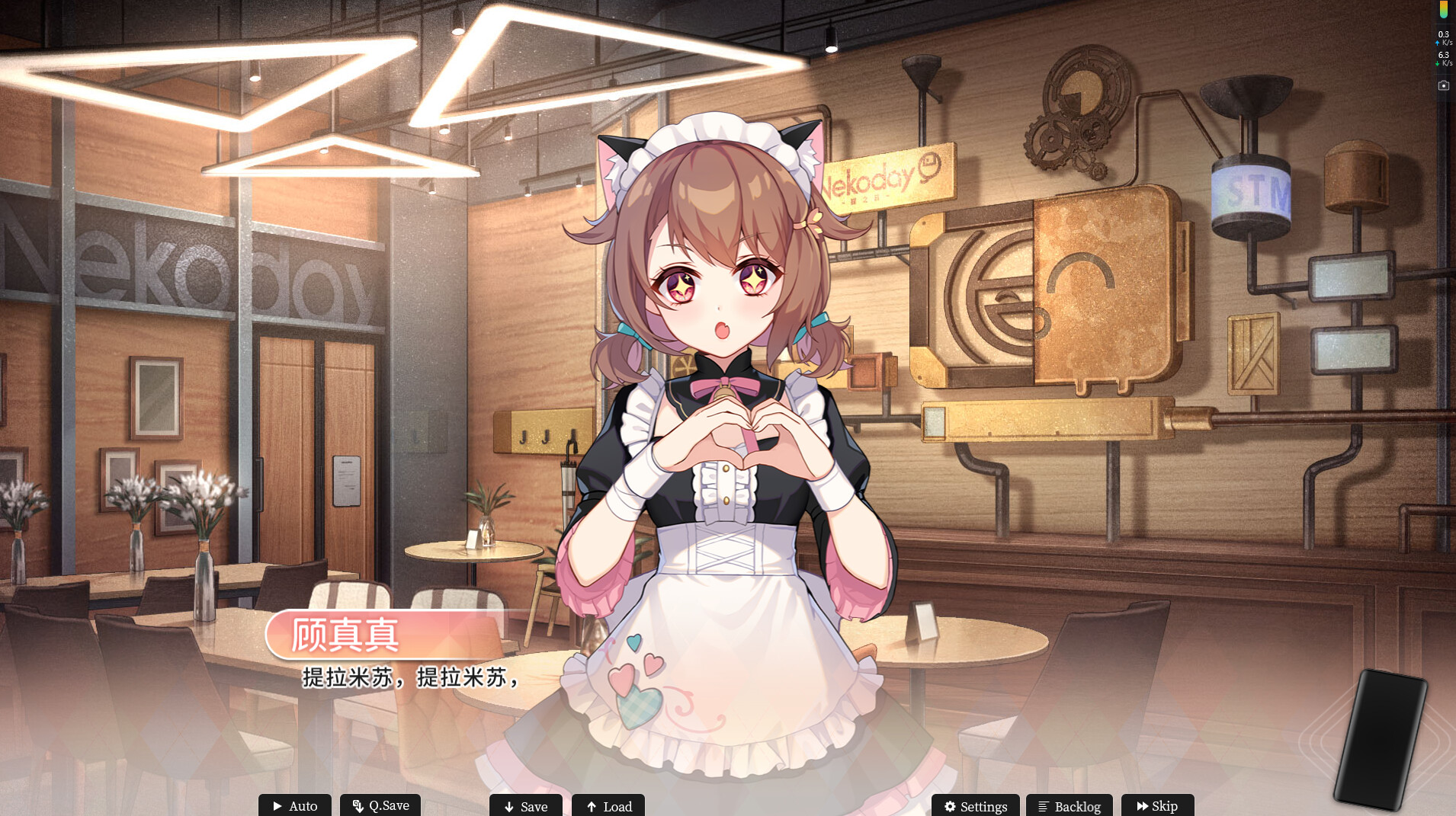
Its presentation reinforces the contrast between romance and unease. The colorful 2D anime artwork and attractive character designs initially suggest a relatively gentle romantic visual novel, yet the game incorporates horror material and emotionally darker themes. The developers specifically identify mild nudity and horror content, so the experience should not be mistaken for an entirely lighthearted dating simulation. The contrast is actually one of its more appealing qualities. Comfortable or affectionate scenes can create a sense of security before uncertainty and disturbing developments disrupt that atmosphere, making suspense more effective.
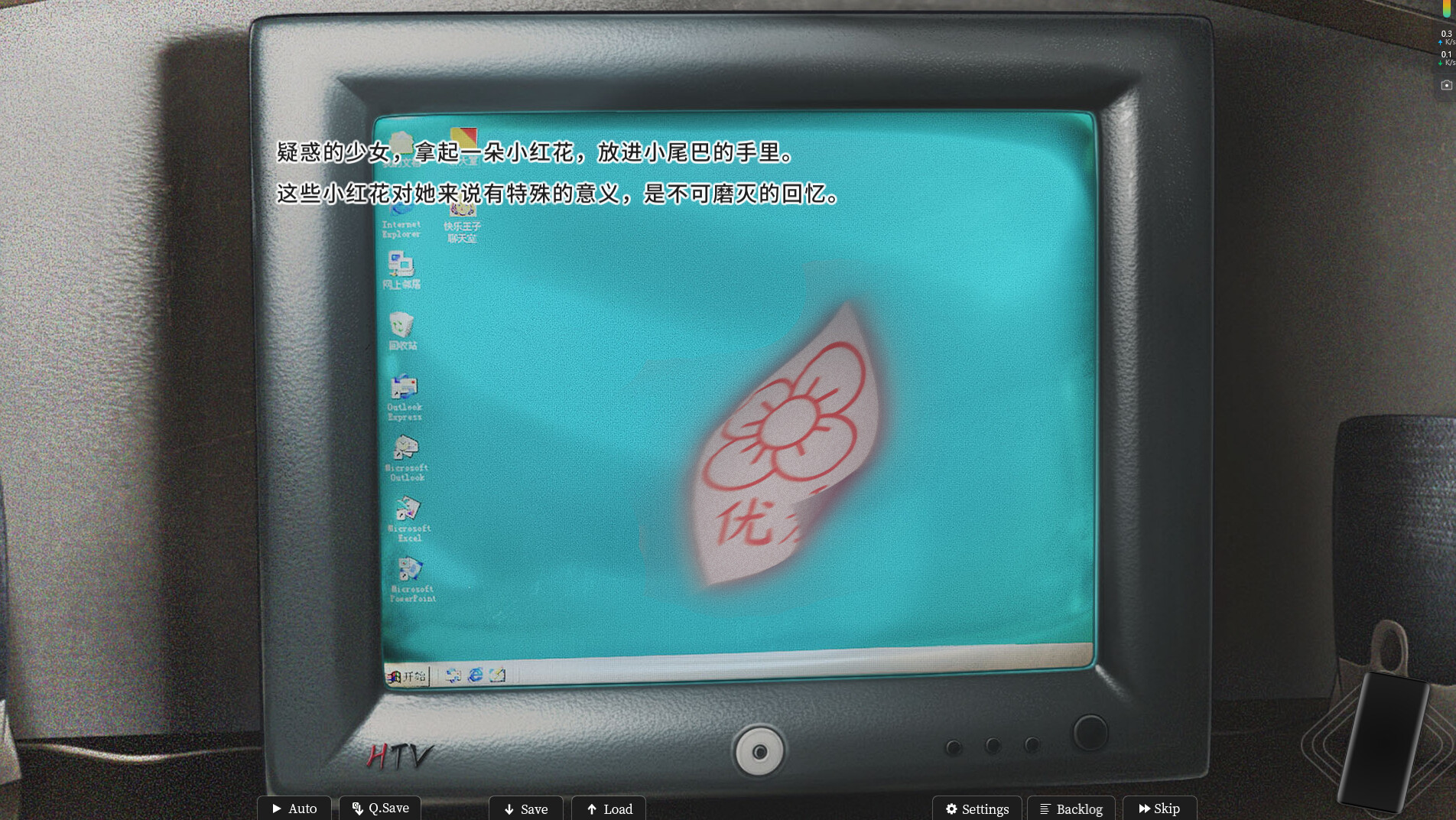
An especially interesting element is the game's fictional framing involving Yumeno Hitomi. The Steam description explains that launching the game represents entering a livestream service agreement with the character, while clarifying that this agreement is simply part of the game's presentation and has validity only within the fictional experience. It is an unusual detail that demonstrates how Nonexistent Memories is willing to use the interface and surrounding presentation as part of its storytelling. Such touches complement a narrative built around uncertainty, perception, memories, and the player's understanding of what is actually happening.
The gameplay itself remains deliberately straightforward. This is primarily a text-based single-player experience, so players looking for combat, extensive environmental exploration, or complicated mechanical systems will find little emphasis on those areas. Its appeal instead comes from following conversations, absorbing information, noticing connections, and watching the central mystery unfold. Steam achievements, Trading Cards, Steam Cloud support, and Family Sharing provide useful secondary features, while the availability of a demo gives prospective players an opportunity to experience its style before committing to the complete game.
Accessibility is where the title encounters its most obvious limitation. English is not supported, while Simplified Chinese covers the interface, subtitles, and full audio. For a visual novel, this is a particularly important restriction because language is essentially the primary gameplay mechanism. Mystery stories can depend heavily on precise dialogue, subtle implications, clues, and emotional nuances, meaning that relying on only a partial understanding of the language could seriously diminish the experience. Players comfortable with Simplified Chinese will naturally get considerably more from the narrative.
The technical requirements are comparatively modest, which suits the genre. The game requires a 64-bit system, 4 GB of memory, relatively basic Intel integrated graphics as its listed minimum examples, and approximately 6 GB of storage. Consequently, the main barrier to experiencing the game is unlikely to be powerful hardware. Its resources are instead concentrated on storytelling, illustrations, character presentation, audio, and the visual-novel interface.
Nonexistent Memories is also much easier to recommend as the third part of a continuing story than as someone's introduction to the franchise. A newcomer could certainly appreciate its artwork, atmosphere, and individual character interactions, but many important revelations would inevitably lose their significance without familiarity with the earlier mysteries. Starting with the previous installments provides the necessary emotional and narrative background and allows the resolution-focused structure of this entry to achieve its intended impact.
Ultimately, Mystery Lover: Nonexistent Memories succeeds by understanding what a later installment in a mystery series needs to accomplish. It rewards accumulated curiosity instead of simply introducing another disconnected collection of unexplained events. The combination of romantic relationships, supernatural or psychological uncertainty, anime-inspired visuals, unsettling material, and long-awaited answers gives the game a distinct personality. Its limited language support and dependence on earlier entries make it somewhat specialized, but those already invested in the series have much more reason to appreciate its revelations and emotional payoff.
Developed and published by Never Knows Best, Mystery Lover: Nonexistent Memories is therefore best viewed as a culmination of ideas established throughout the Mystery Lover series rather than an independent visual novel. Its greatest value comes from resolving earlier mysteries while continuing to develop its characters and overarching narrative. For Chinese-reading players who have experienced the preceding installments, it offers an intriguing and appropriately significant continuation of the franchise.
Rating: 9/10