


▲ Recommended
0 hrs
After the tutorial, you get to pick a character, but since the game is still in early access, the only available option is the paladin. Each character has different stats, but all of them are capable. You then choose the length of your adventure.
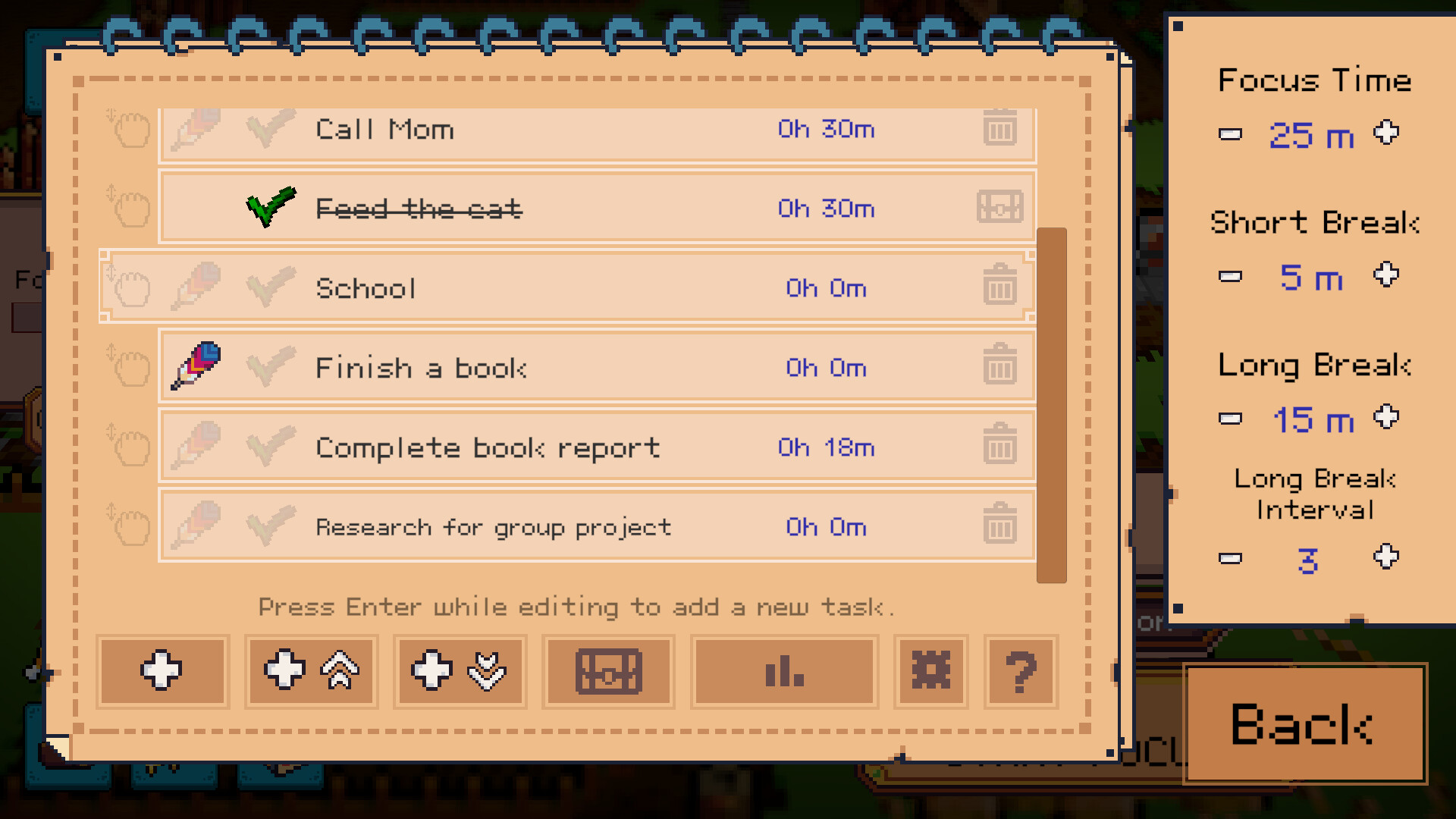
The game falls into the “Pomodoro” genre, which is similar to an idle game, except that it encourages you to complete real world tasks using the established pattern of 25 minutes of work followed by 5 minutes of rest. Of course, you can increase or decrease both the work and rest periods. The minimum is 5 minutes, while the maximum is an hour and a half.
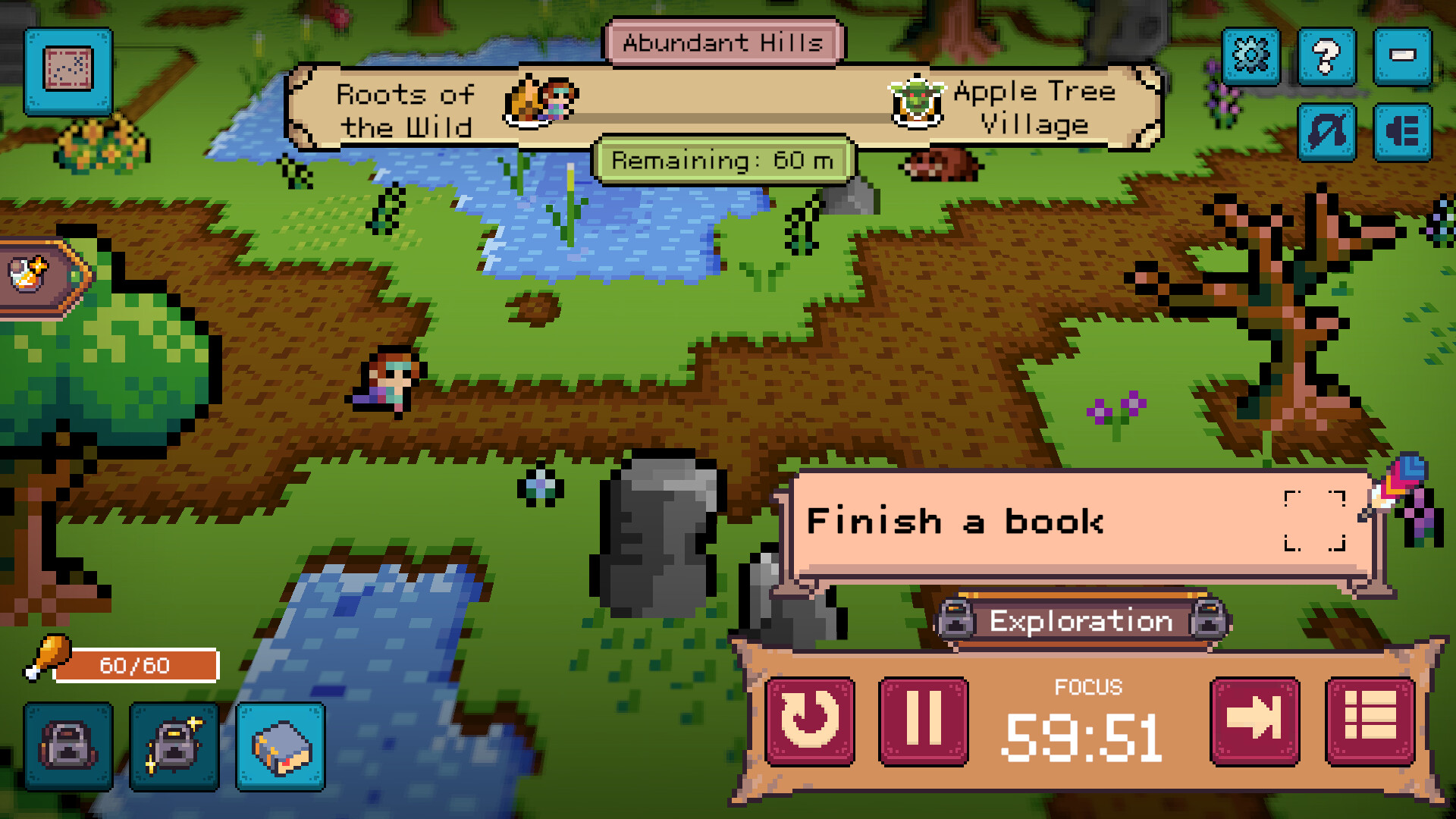
The work period, or “focus,” is when your hero walks along a path toward a destination. Nothing happens during this time by default, but that can change depending on your tasks. You can write anything into them, set how much time you need to complete each task, and pin them to the main screen as a reminder.
How you handle your tasks is entirely up to you because you can cheat and complete a task at any time, add new ones, or delete existing ones. Again, the system is meant to help you stay productive and is simply presented in the form of a game without actually giving you much control over what happens. Having said that, there are still some mechanics that require a bit of gameplay related attention.
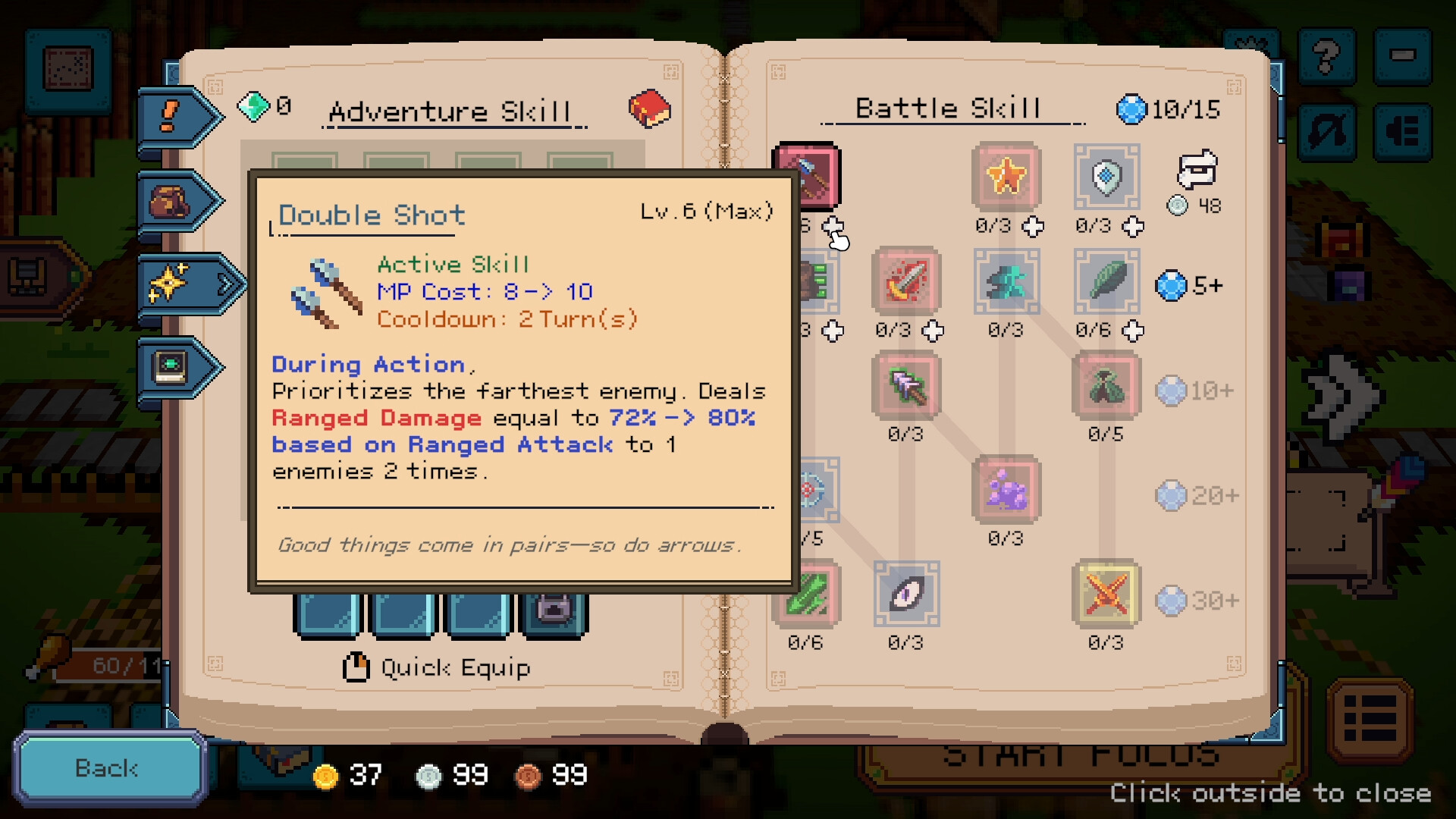
If you end your focus period prematurely, you gain the experience earned during that time. The longer you keep it running, the more experience you gain before entering your break period. If you earn enough experience to level up, which increases your stats across the board, you also receive a gem that can be used during the break period to buy a skill. There are several skills available, but they form branches, meaning you need to purchase several upgrades from the first skill before you can unlock the next one on the same branch.
One thing you need to keep an eye on during the focus period is satiety, which gradually decreases. You can recover it by eating food, but if you do not have any available, you can change your action during the break period. Instead of moving toward your destination, your character can spend this time slowly recovering satiety. If you are running low, however, you will have to spend quite a lot of time recovering it.
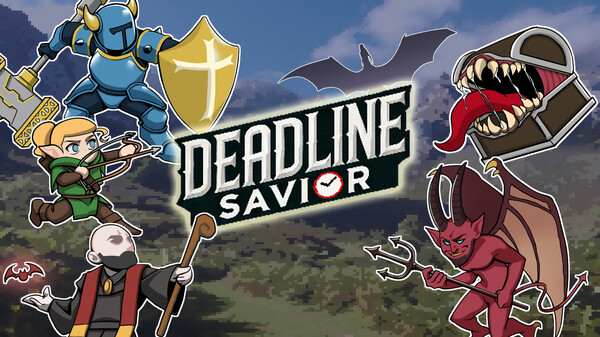
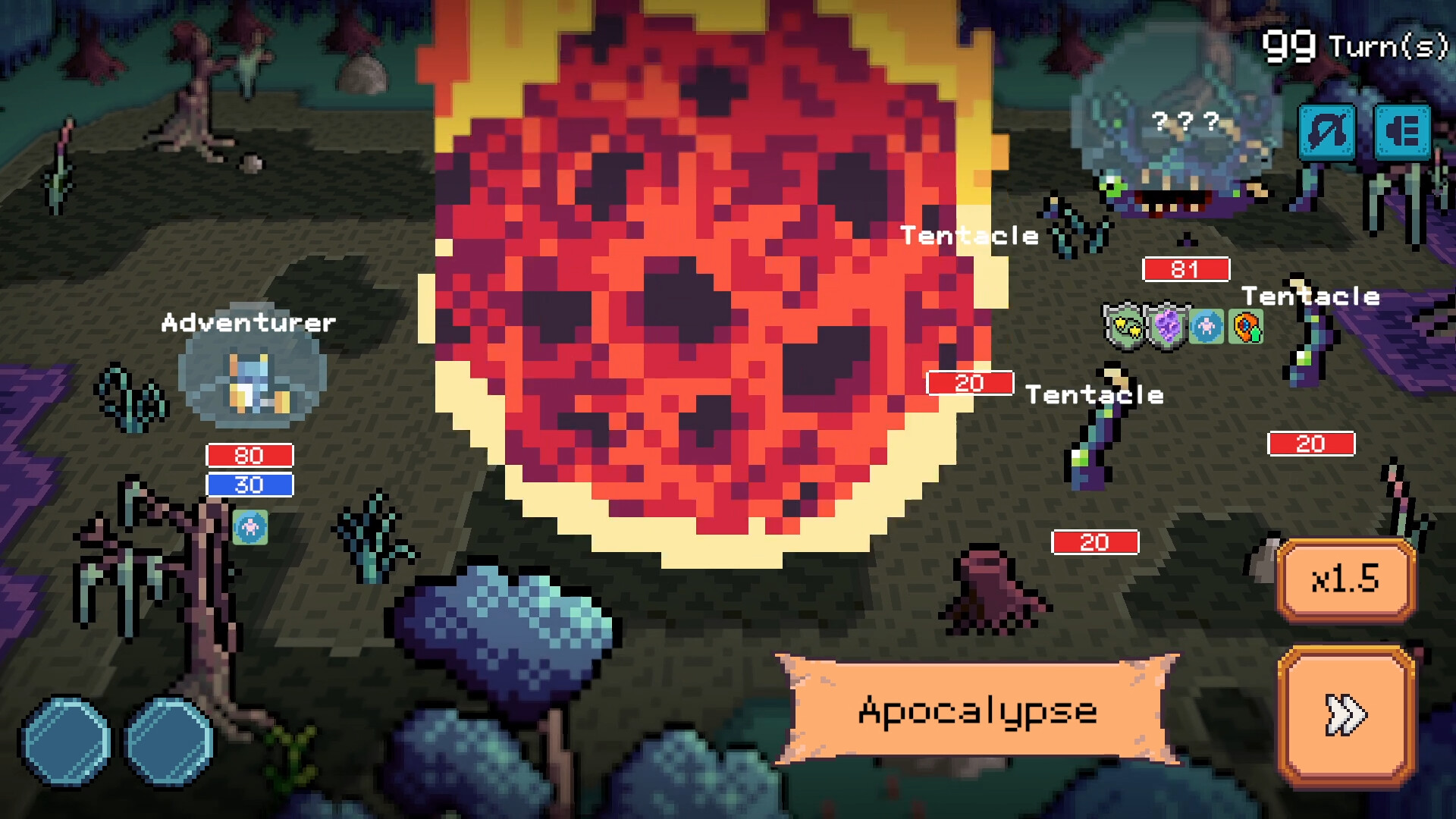
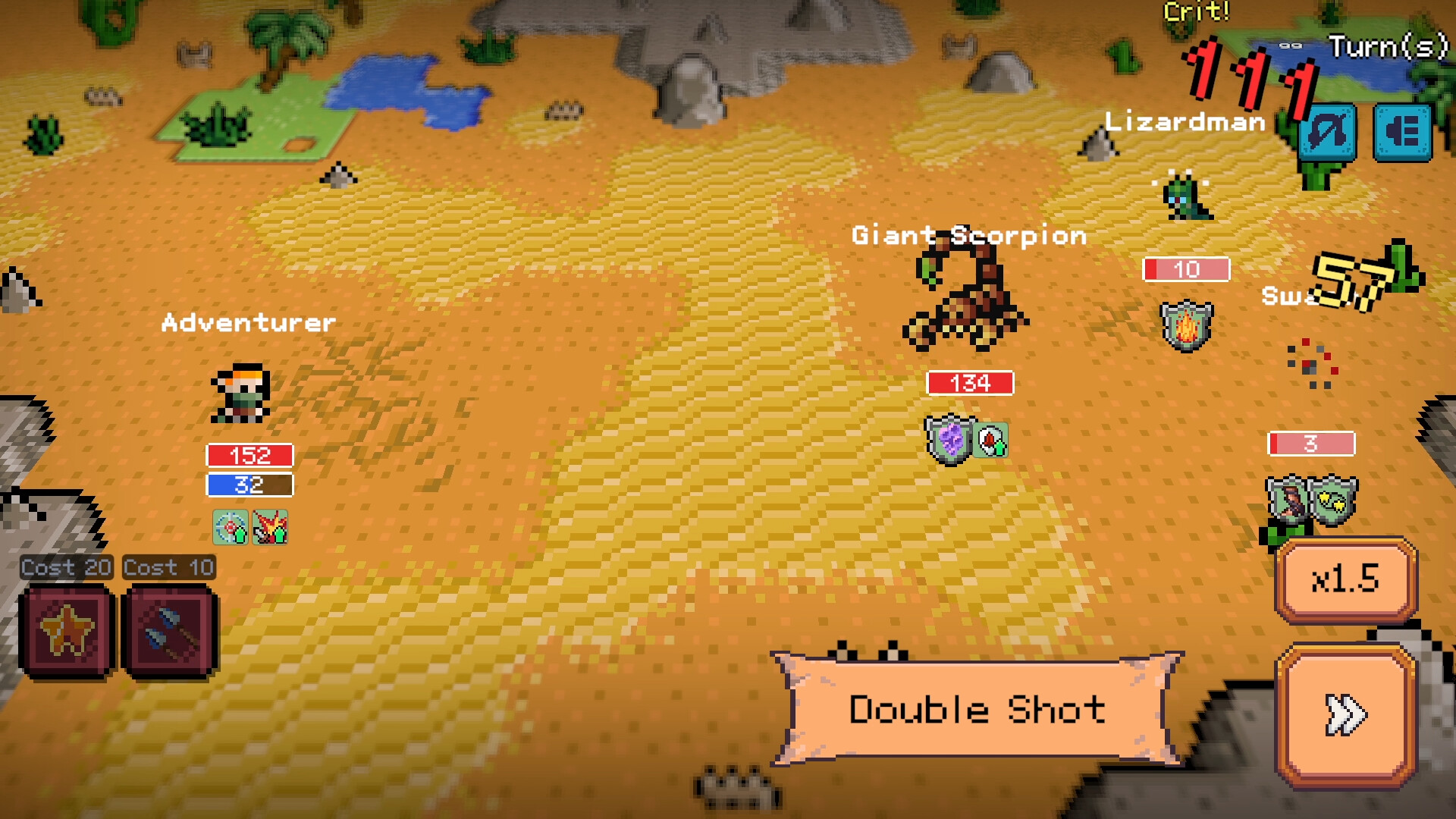
After several focus and break periods, you will eventually reach your destination. The destination is marked at the top of the screen, along with a timer showing how long it will take to reach it. Arriving there triggers a battle, which is completely automatic and does not require any clicking. Battles are fought against standard fantasy enemies, but one fun addition is that you can change their names by choosing between several themes. For instance, enemies can be named “screen glare,” “forced team building,” “password lost,” or something similar.
If you survive the fight, you move on to the next destination. The time required to reach each one varies, but every destination takes at least an hour of real time, while some require two hours or more. Once again, this is not something you can speed up, so seeing everything will take countless hours.
Your overall progress is shown in the Codex, which fills up as you find loot from battles and discover new things. There is also another form of progression that helps you during future adventures, which will eventually come to an end. Completing an adventure rewards you with stars, which can then be invested in new features and permanent bonuses. For example, you can start an adventure with more food or health potions, earn additional rewards, and unlock various other benefits. The system resembles the progression trees found in incremental games, but fully unlocking it will take days or even weeks.
The concept is fairly interesting, especially if you like productivity tools presented through the lens of a game. The slow progression and largely automated gameplay mean there is not much to actively do, but that is also the point. It is designed to keep you focused on real world tasks while giving you a sense of progression in the background.
The game falls into the “Pomodoro” genre, which is similar to an idle game, except that it encourages you to complete real world tasks using the established pattern of 25 minutes of work followed by 5 minutes of rest. Of course, you can increase or decrease both the work and rest periods. The minimum is 5 minutes, while the maximum is an hour and a half.
The work period, or “focus,” is when your hero walks along a path toward a destination. Nothing happens during this time by default, but that can change depending on your tasks. You can write anything into them, set how much time you need to complete each task, and pin them to the main screen as a reminder.
How you handle your tasks is entirely up to you because you can cheat and complete a task at any time, add new ones, or delete existing ones. Again, the system is meant to help you stay productive and is simply presented in the form of a game without actually giving you much control over what happens. Having said that, there are still some mechanics that require a bit of gameplay related attention.
If you end your focus period prematurely, you gain the experience earned during that time. The longer you keep it running, the more experience you gain before entering your break period. If you earn enough experience to level up, which increases your stats across the board, you also receive a gem that can be used during the break period to buy a skill. There are several skills available, but they form branches, meaning you need to purchase several upgrades from the first skill before you can unlock the next one on the same branch.
One thing you need to keep an eye on during the focus period is satiety, which gradually decreases. You can recover it by eating food, but if you do not have any available, you can change your action during the break period. Instead of moving toward your destination, your character can spend this time slowly recovering satiety. If you are running low, however, you will have to spend quite a lot of time recovering it.
After several focus and break periods, you will eventually reach your destination. The destination is marked at the top of the screen, along with a timer showing how long it will take to reach it. Arriving there triggers a battle, which is completely automatic and does not require any clicking. Battles are fought against standard fantasy enemies, but one fun addition is that you can change their names by choosing between several themes. For instance, enemies can be named “screen glare,” “forced team building,” “password lost,” or something similar.
If you survive the fight, you move on to the next destination. The time required to reach each one varies, but every destination takes at least an hour of real time, while some require two hours or more. Once again, this is not something you can speed up, so seeing everything will take countless hours.
Your overall progress is shown in the Codex, which fills up as you find loot from battles and discover new things. There is also another form of progression that helps you during future adventures, which will eventually come to an end. Completing an adventure rewards you with stars, which can then be invested in new features and permanent bonuses. For example, you can start an adventure with more food or health potions, earn additional rewards, and unlock various other benefits. The system resembles the progression trees found in incremental games, but fully unlocking it will take days or even weeks.
The concept is fairly interesting, especially if you like productivity tools presented through the lens of a game. The slow progression and largely automated gameplay mean there is not much to actively do, but that is also the point. It is designed to keep you focused on real world tasks while giving you a sense of progression in the background.
3 found helpful
Steam ↗