▲ Recommended
0 hrs
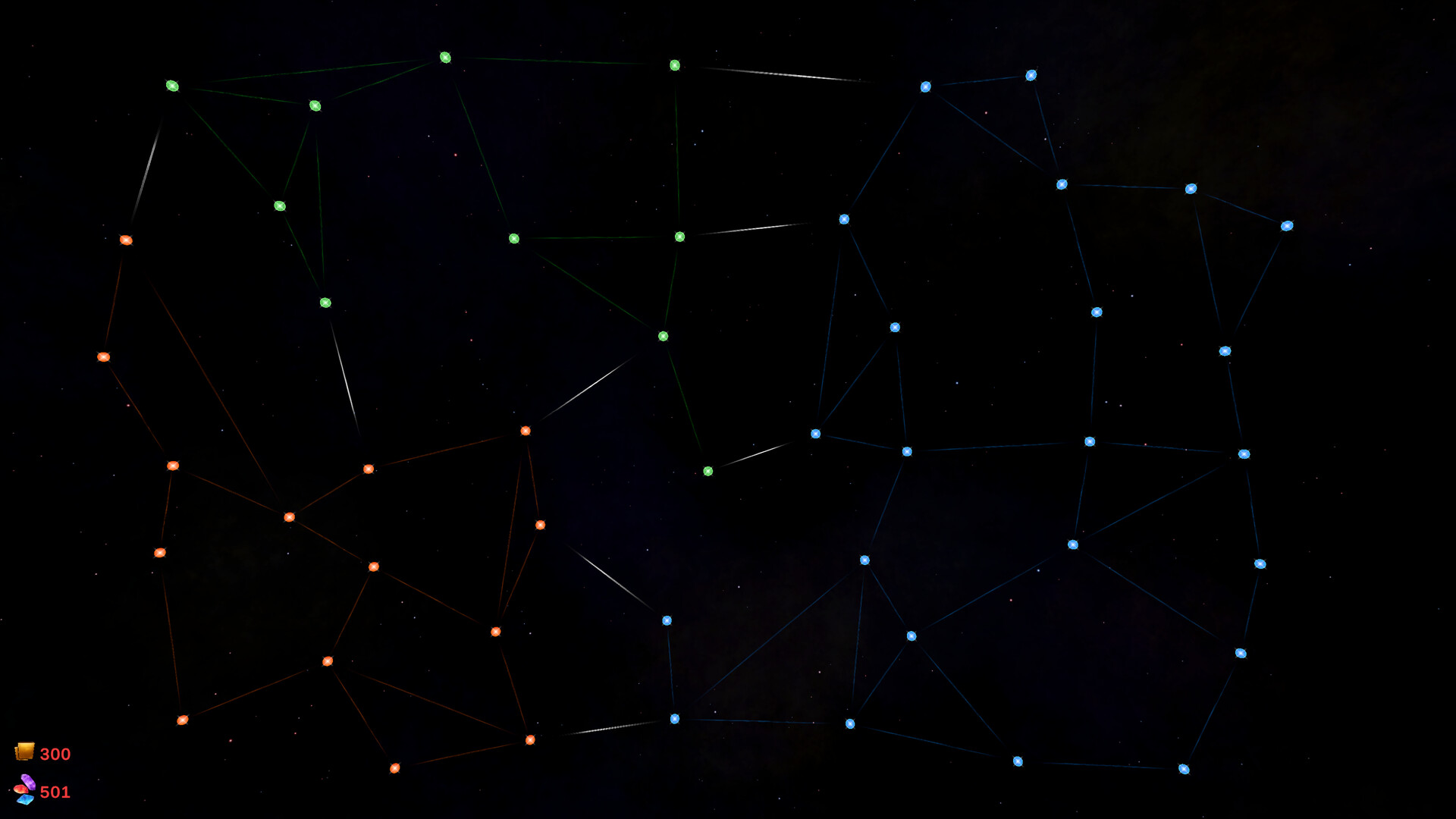
This game was released at the same time as Idle Sailor, with both titles coming from the same developer and sharing the same core idea. You start by generating a random galaxy filled with several nodes. From there, you click on the nodes and look for those with a battle heat level, which indicates that they can be explored.
Exploration consists of two parts. In the first part, a ship at the bottom of the screen rotates left and right automatically. Your job is to press a button at the right moment to launch a missile at the debris filling the screen. After hitting an object enough times, it drops crystals and money. You then collect these with a laser, which makes up the second and much easier part.
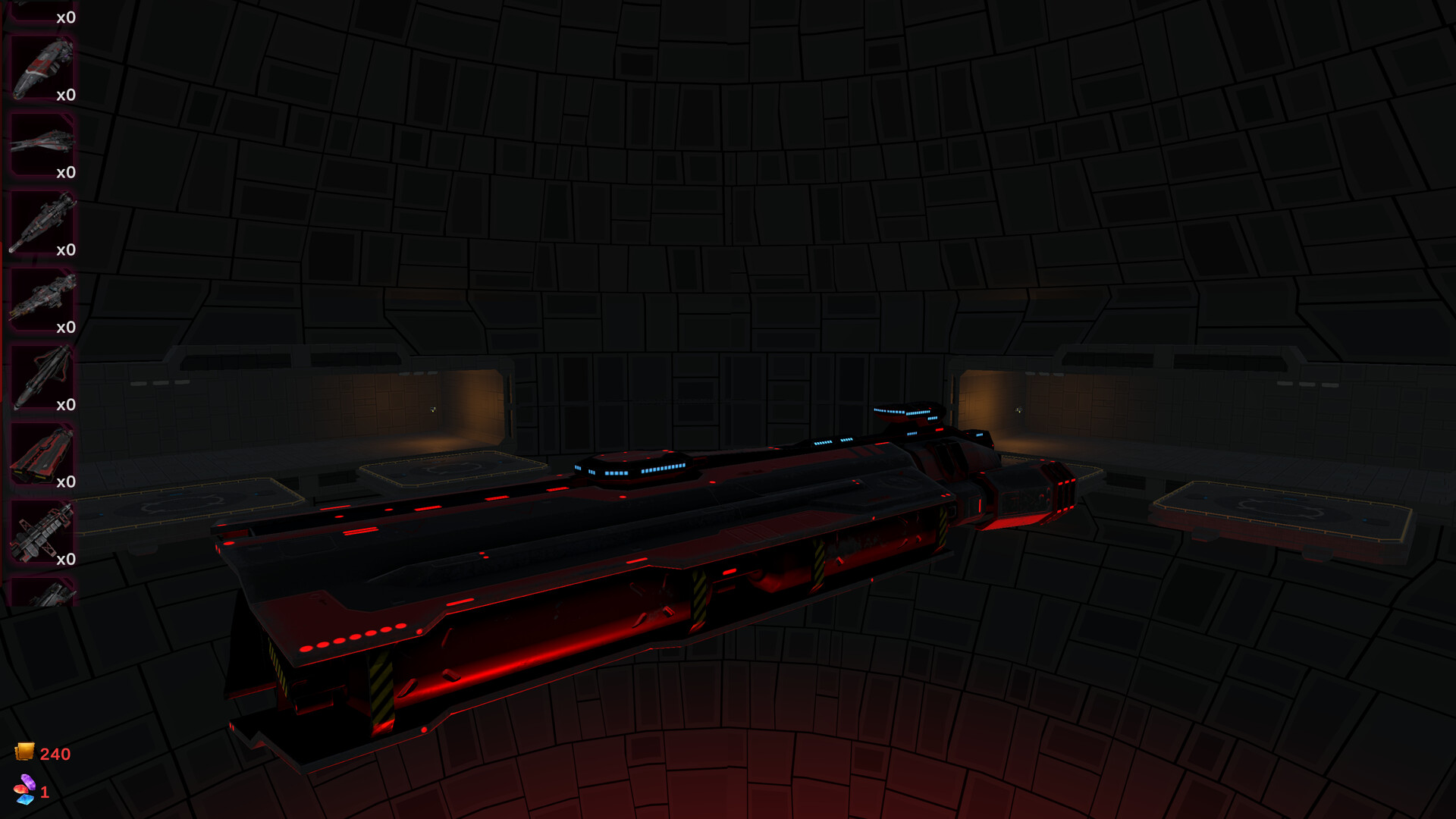
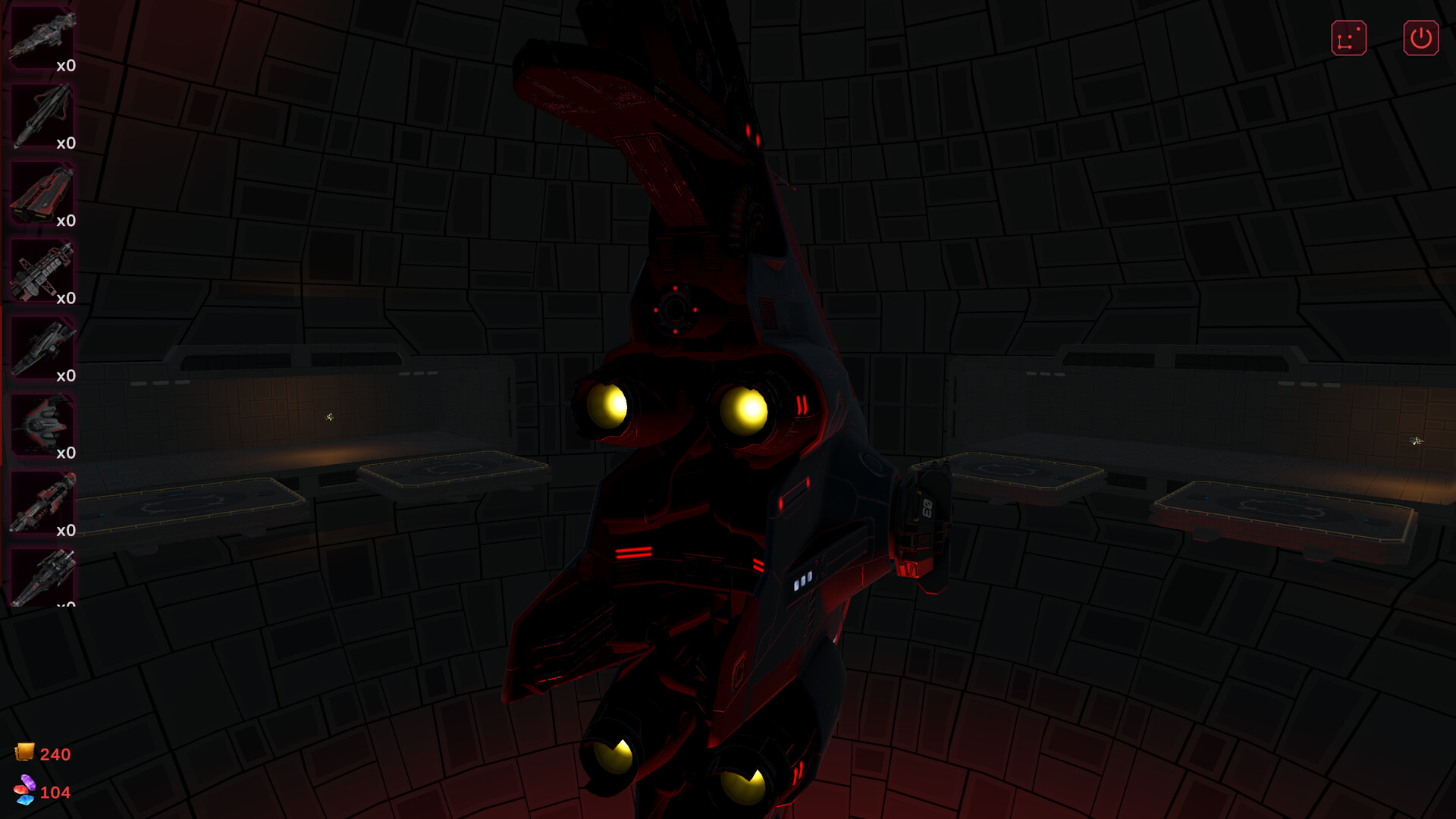
With enough crystals and money, you can enter your workshop and build ships ranging from tiny drones to massive cruisers. Naturally, cruisers cost a fortune and will not be available for quite some time. After building a ship, you can sell it to one of the three factions fighting for control of the map. Their conflict unfolds in real time, and nodes change color to show when ownership shifts, although you can also speed up time.
Even considering its low price, this game is quite boring compared to Idle Sailor. The main reason is the missile launching mechanic, which feels slow and often misses the target entirely because there is no guiding line. Progress is also very slow until you complete several runs and earn trophies that unlock upgrades.
▲ Recommended
13 hrs
Stellar Industrialist is a space-themed strategy and economic simulation game developed and published by PcZ Games. Instead of focusing on direct combat or traditional empire-building mechanics, the game presents a different perspective on interstellar conflict by placing the player in the role of an opportunistic entrepreneur who thrives in the shadow of war. The central concept revolves around building a profitable industrial network within a galaxy constantly reshaped by warfare between competing factions. Rather than commanding fleets or conquering planets directly, players become an influential supplier and scavenger who capitalizes on the destruction left behind by ongoing battles.
The game takes place in a procedurally generated galaxy filled with rival factions competing for territory and resources. These factions wage war against one another, and their conflicts unfold dynamically across star systems. As battles occur, wreckage from destroyed ships and abandoned equipment becomes scattered throughout space. Players take advantage of this chaos by salvaging valuable materials from these battlefields. This mechanic forms the backbone of the game’s economy, transforming the aftermath of war into the raw resources needed to build factories, produce equipment, and expand an interstellar industrial empire. The constant presence of faction conflicts ensures that the galaxy remains active and unpredictable, forcing players to adapt their strategies to changing conditions.
At its core, Stellar Industrialist is built around resource management and strategic planning. Salvaged materials can be refined and converted into components used for manufacturing ships, weapons, and other technological equipment. These products can then be sold to the various factions operating within the galaxy. Rather than aligning with a single side, players often operate as neutral suppliers, selling goods to whichever faction offers the best financial return. This creates an interesting dynamic in which the player indirectly influences the outcome of wars by determining which factions receive access to advanced technology and equipment.
A notable feature of the game is its dynamic battlefield environment. Different regions of space experience varying levels of conflict intensity, which influences the amount of salvage that can be recovered. Areas where large battles are taking place often yield the most valuable materials, but these regions also shift rapidly as factions gain or lose control of territories. This creates a constant risk-reward balance where players must decide whether to move their operations closer to dangerous front lines or remain in safer areas with fewer resources. The evolving nature of these war zones gives the game a sense of living space politics where the player’s economic strategies must adapt to the changing landscape.
Industrial expansion plays a major role in long-term progression. Players gradually develop their infrastructure by constructing production facilities, refining resources, and improving their manufacturing capabilities. As operations grow, the player’s business becomes more influential within the galaxy’s economy. Advanced production chains allow for the creation of increasingly valuable items, opening opportunities for larger profits and greater economic power. Watching a small salvage operation evolve into a massive industrial network becomes one of the most satisfying aspects of the experience.
The game’s procedural generation ensures that each new playthrough offers a different configuration of star systems, faction territories, and economic opportunities. Because wars unfold differently in every generated galaxy, players must constantly evaluate where the most profitable operations might be located. This variability helps maintain replay value, as no two games follow exactly the same trajectory. Some galaxies may experience large-scale wars that produce abundant salvage opportunities, while others may develop slower economic competition between factions.
Visually, Stellar Industrialist adopts a minimalist presentation style typical of many independent strategy simulations. The game focuses more on functional interface design and clear information display than on elaborate graphical spectacle. Star systems, fleets, and industrial structures are represented through simple visual elements that prioritize readability. This approach allows players to quickly interpret strategic data and manage their operations efficiently. While the visuals may lack the cinematic quality found in larger space strategy games, they effectively support the management-focused gameplay.
The audio design remains subtle throughout the experience. Ambient space-themed music plays in the background, providing a calm atmosphere that complements the slow, methodical pace of economic planning. The soundtrack avoids overwhelming the player with dramatic cues, instead creating a quiet backdrop that suits the analytical nature of the gameplay. Because the game emphasizes management and observation rather than intense action sequences, the restrained audio design fits well with the overall tone.
Progression in Stellar Industrialist unfolds gradually as players expand their business operations. Early stages of the game focus on gathering salvage and establishing small production facilities. Over time, players can unlock more advanced manufacturing options and increase the scale of their operations. This steady growth creates a satisfying sense of accomplishment as the player’s company evolves from a modest scavenging enterprise into a powerful industrial supplier capable of influencing entire faction wars.
Despite its creative premise, the game does have a few limitations. The management systems, while engaging, can occasionally feel repetitive during long play sessions. Because the core gameplay loop revolves around salvaging materials and expanding production chains, players may eventually feel that the mechanics do not evolve significantly beyond their initial structure. Additionally, players who prefer action-oriented space games may find the experience somewhat passive, as much of the gameplay involves monitoring systems and making economic decisions rather than engaging in direct combat.
Another limitation comes from the game’s relatively modest production scale. As an independent project, Stellar Industrialist does not feature the extensive content variety or graphical complexity seen in larger strategy titles. Some players may wish for deeper political systems, more diverse faction behaviors, or additional gameplay mechanics that expand the simulation further. However, the game’s simplicity also makes it approachable and easy to understand compared to more complex space strategy simulations.
Even with these limitations, Stellar Industrialist stands out because of its unique perspective on space warfare. By focusing on the industrial and economic side of interstellar conflict, the game offers a refreshing alternative to the typical fleet-commanding gameplay found in many space strategy titles. Instead of conquering the galaxy through military power, players shape the balance of power through economic influence, deciding who receives the weapons and technology needed to continue fighting.
Overall, Stellar Industrialist provides an interesting blend of resource management, procedural sandbox gameplay, and economic strategy set within a dynamic science-fiction universe. While it may not offer the visual polish or large-scale complexity of major space simulation games, its creative concept and evolving galactic economy make it an engaging experience for players who enjoy management-focused gameplay. For fans of economic strategy games and sandbox simulations, it offers a distinctive opportunity to build a thriving industrial empire in the midst of interstellar war.
Rating: 7/10