▲ Recommended
28 hrs
Probably one of the rare (if maybe first?) English reviews for this game, so I'll be brief as possible.
This is a pretty simple idle game that has a lot of mechanics to keep it interesting, but the lack of translation hurts anyone not familiar with the native language. As someone who doesn't understand anything, I basically had to use translation tools constantly to piece together how things work.
The biggest benefit of this game is that it's semi-customizable. You can alter the appearance of your party (heroes + monsters) with your own PNG files. They use a 2:3 ratio and recommend transparent backgrounds. It's a nice little touch to add some personality to your grinding sessions.
There is no offline progress for this game. You'll have to keep it on if you want to grind and progress. Thankfully it doesn't demand a lot of resources to run, but it may be a bit annoying for folks who don't want to leave their PC on if they're hoping to fast track progress.
There are no DLC or microtransactions. This game is entirely self-contained. If you turn off Steam cloud sync, you can run it offline and save your progress locally. I did run into one bug where my online save overrode my local save, so I lost some progress. It didn't happen again afterward, but I eventually just turned off sync to be safe.
This is still an idle game no matter what at the end of the day. It's really about managing your party's gear and skills, and then making sure they do harder content to then repeat the process all over again. If you're looking for a story, cut-scenes, or any single ounce of lore explaining the entire thing - this isn't it. It's an idle game for a niche interest.
I see a lot of potential for this game to a wider audience once English is available. I gave this game a chance because it looked pretty enough from your usual "text on background" idle games. The fact you could customize the look of your party was a very big bonus. I hope the developers add Steam workshop support eventually to further enhance this perk.
I would advise not playing the game if you're not patient with translation software. I would just advise you to wait for the official English release (if it ever comes out).
▲ Recommended
12 hrs
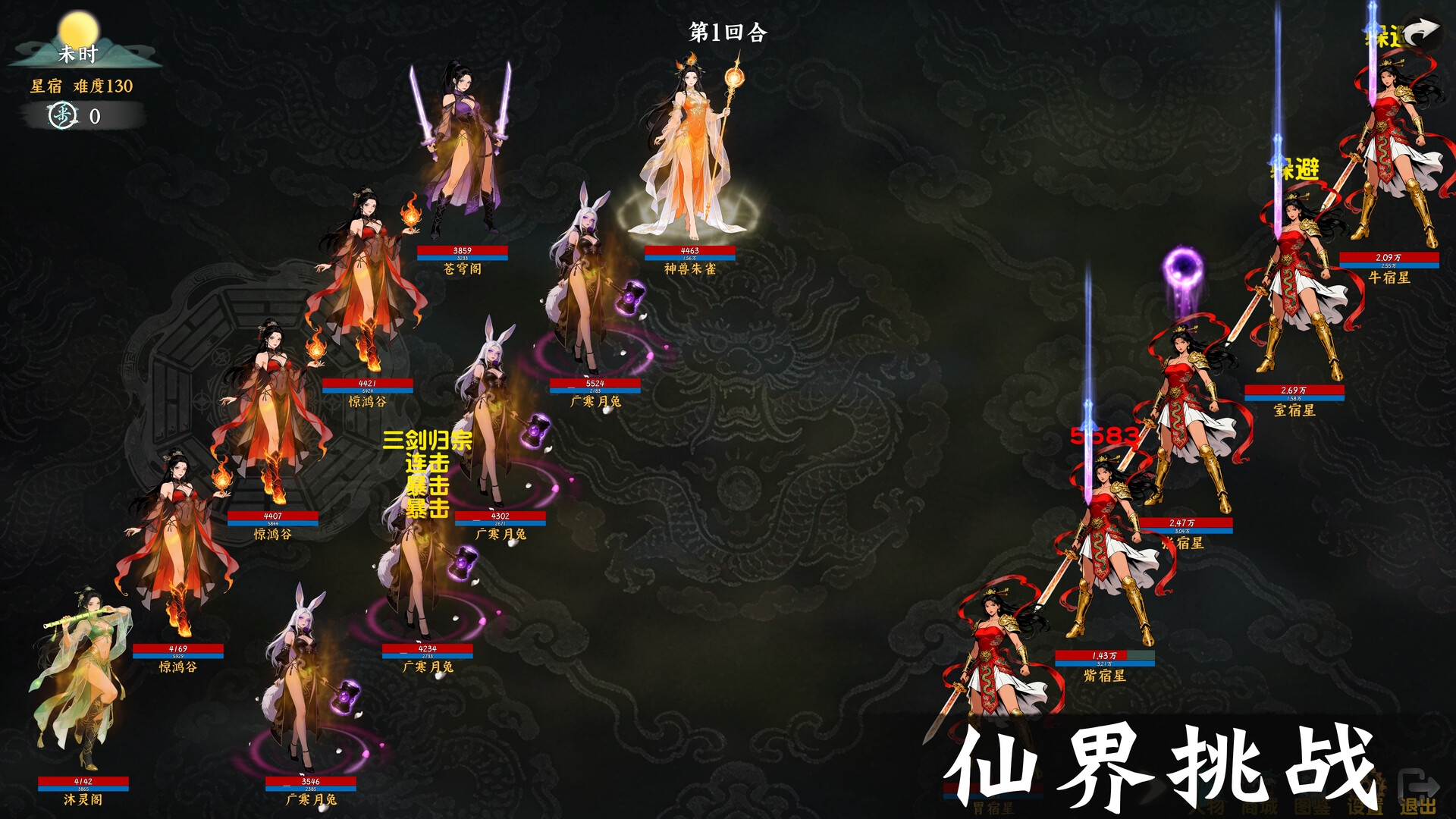
Idle Quest Simulator is an idle role-playing game developed and published by 所以然 that blends automated progression, character cultivation, equipment enhancement, and mythology-inspired storytelling into a surprisingly deep adventure. Drawing inspiration from the legendary Journey to the West, the game places players on a long path toward power and enlightenment, allowing them to develop heroes, collect companions, and overcome increasingly difficult challenges without requiring constant hands-on play. While many idle games focus solely on numerical growth, Idle Quest Simulator attempts to create a more complete RPG experience by combining passive progression with meaningful customization and long-term strategic planning.
The game's setting is one of its most appealing features. Inspired by classic Chinese mythology, the adventure takes players through a world filled with immortal beings, legendary creatures, mystical artifacts, and iconic locations associated with the famous tale of the pilgrimage to obtain sacred scriptures. This mythological backdrop gives the game far more personality than many generic fantasy idle titles and helps establish a distinctive atmosphere throughout the journey. The world feels rooted in a rich cultural tradition, adding depth to what could otherwise have been a straightforward progression simulator.
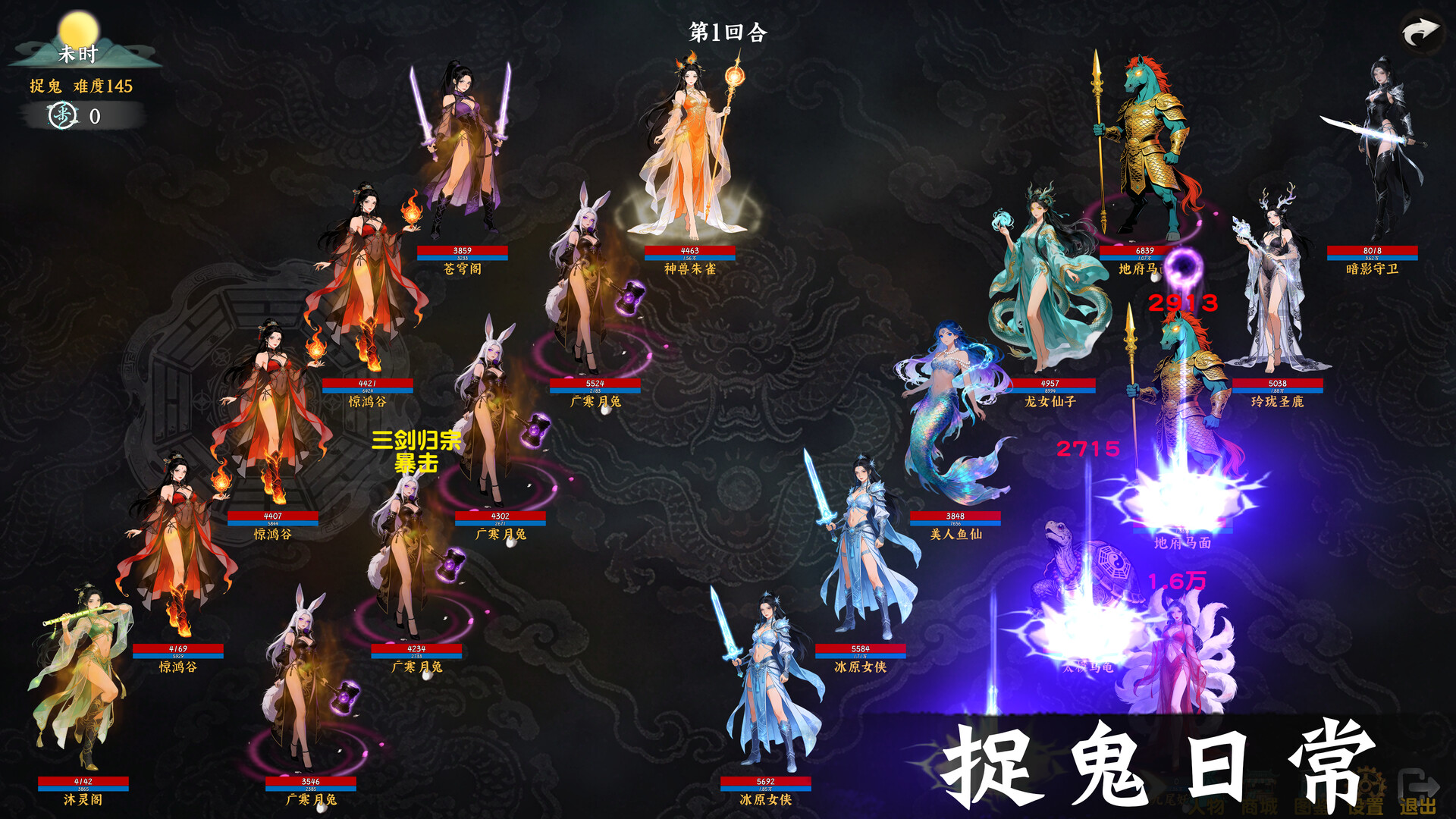
At its core, Idle Quest Simulator is built around convenience and accessibility. Characters continue fighting, gathering resources, and earning rewards with minimal direct input from the player. This makes it an ideal experience for those who enjoy RPG progression but do not have the time to constantly monitor every battle. The game respects the player's schedule by allowing advancement to continue even during periods of inactivity, creating a satisfying sense of growth whenever players return.
Character development forms the backbone of the experience. Players can choose from several classes that fulfill different combat roles, ranging from powerful damage dealers to supportive specialists and defensive warriors. Each class possesses unique strengths and progression opportunities, encouraging experimentation with different team compositions and strategies. Rather than forcing players into a single optimal path, the game provides enough flexibility to support a variety of playstyles.
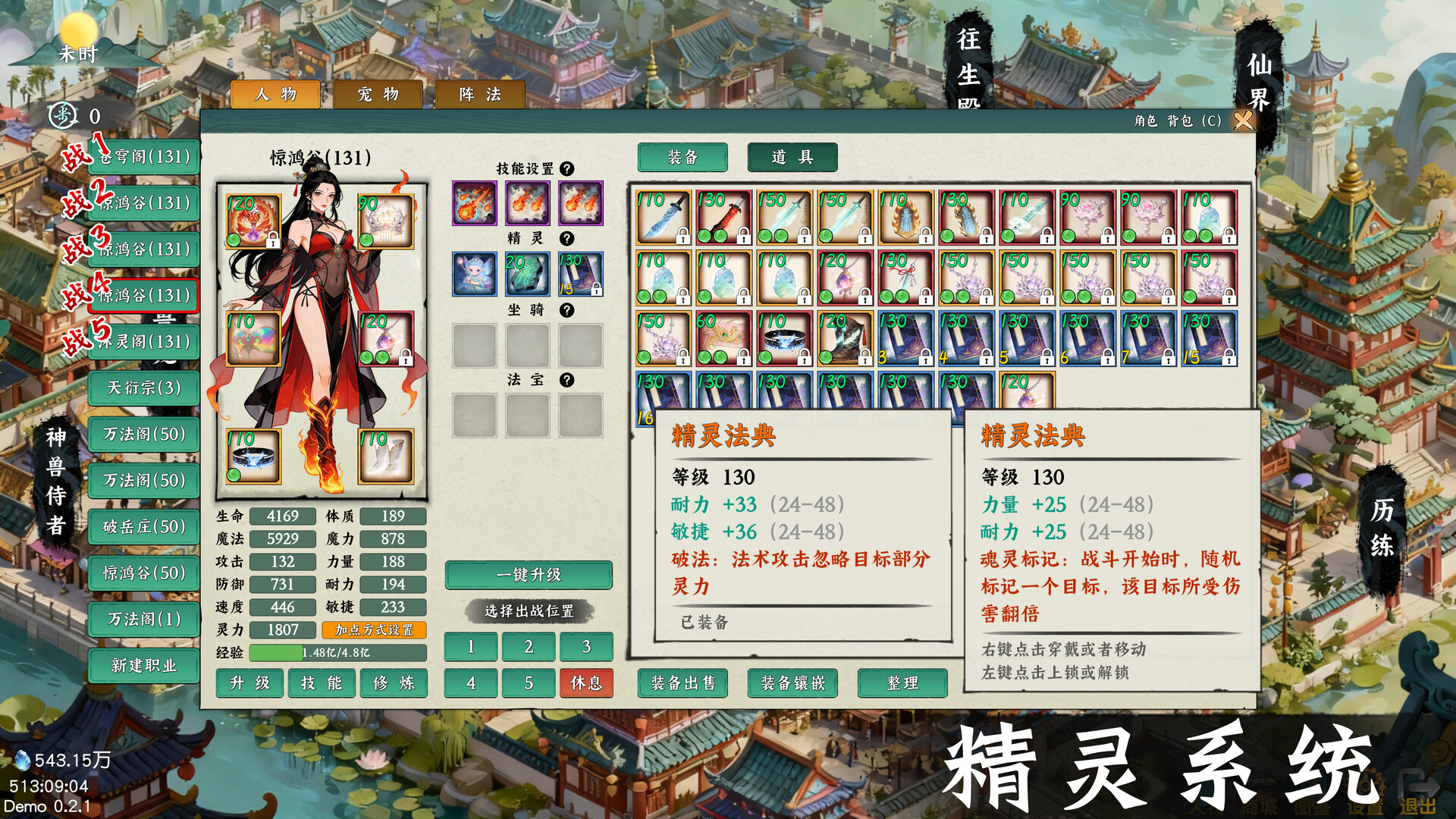
One of the most interesting aspects of the progression system is the treatment of equipment. In many role-playing games, gear becomes obsolete almost immediately as stronger items are discovered. Idle Quest Simulator takes a different approach by allowing equipment to evolve alongside the character. Through enhancement, refinement, socketing, and other upgrade systems, players can continuously improve favored equipment instead of constantly replacing it. This creates a stronger sense of investment and makes every piece of gear feel more meaningful.
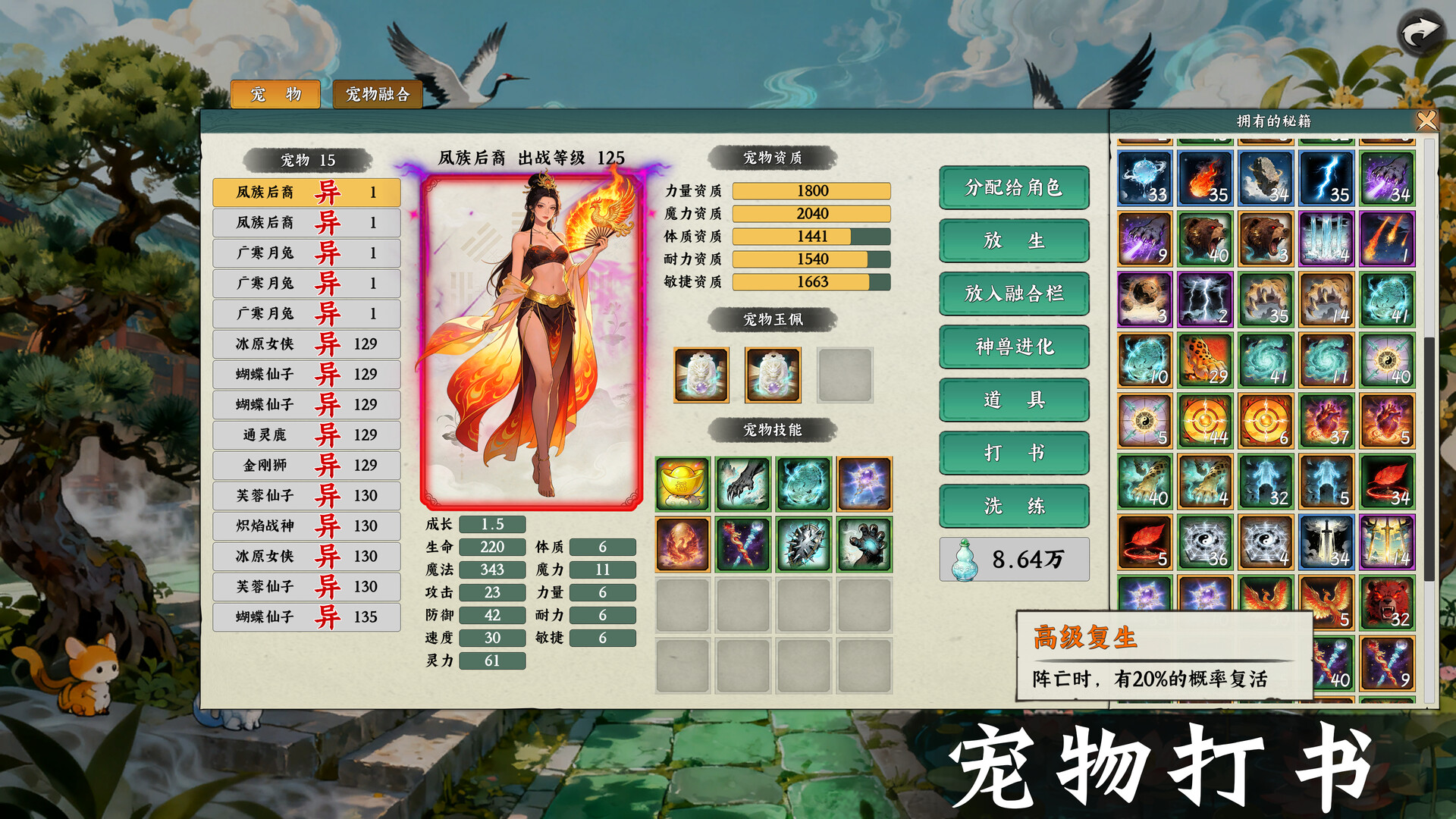
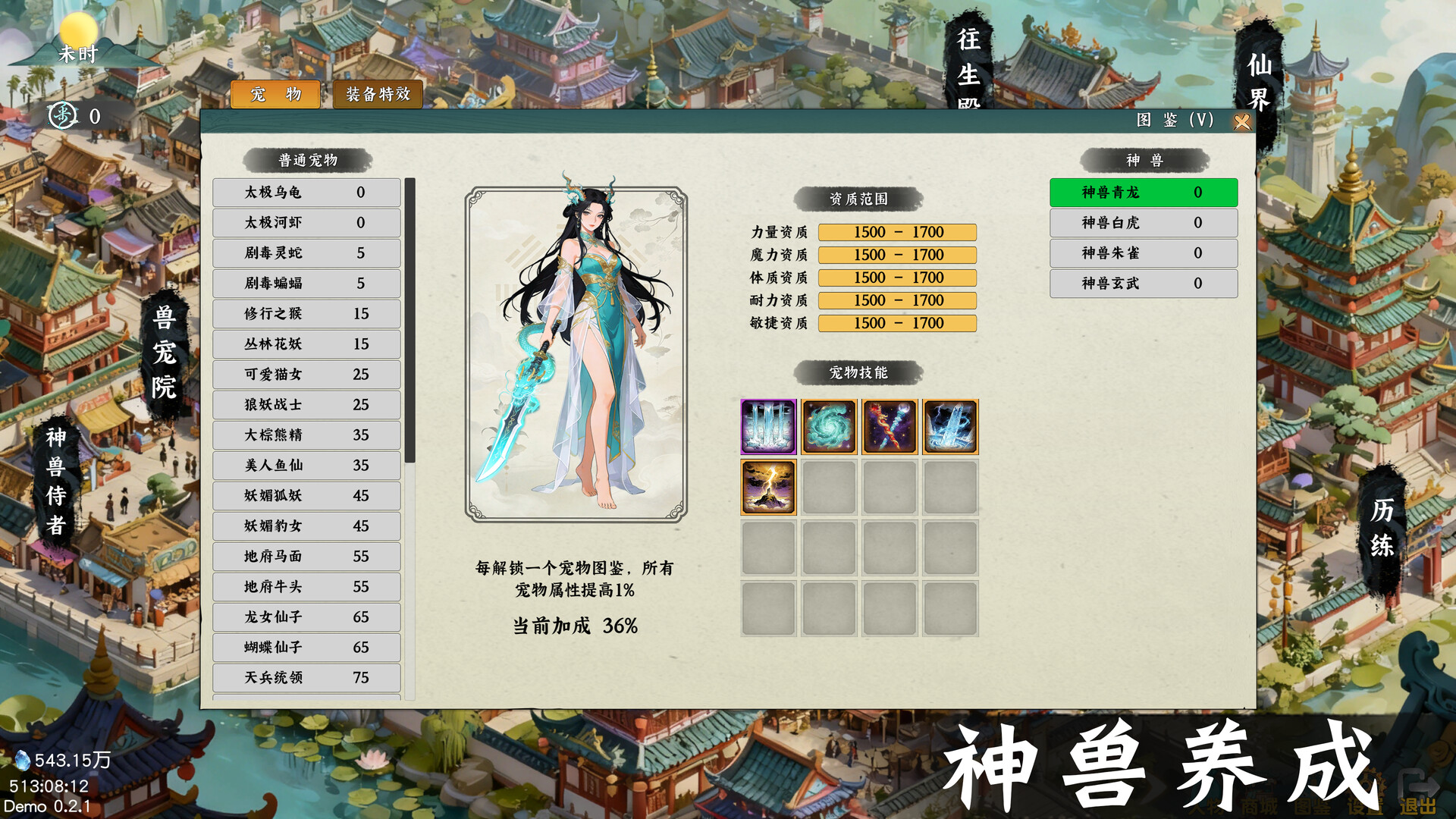
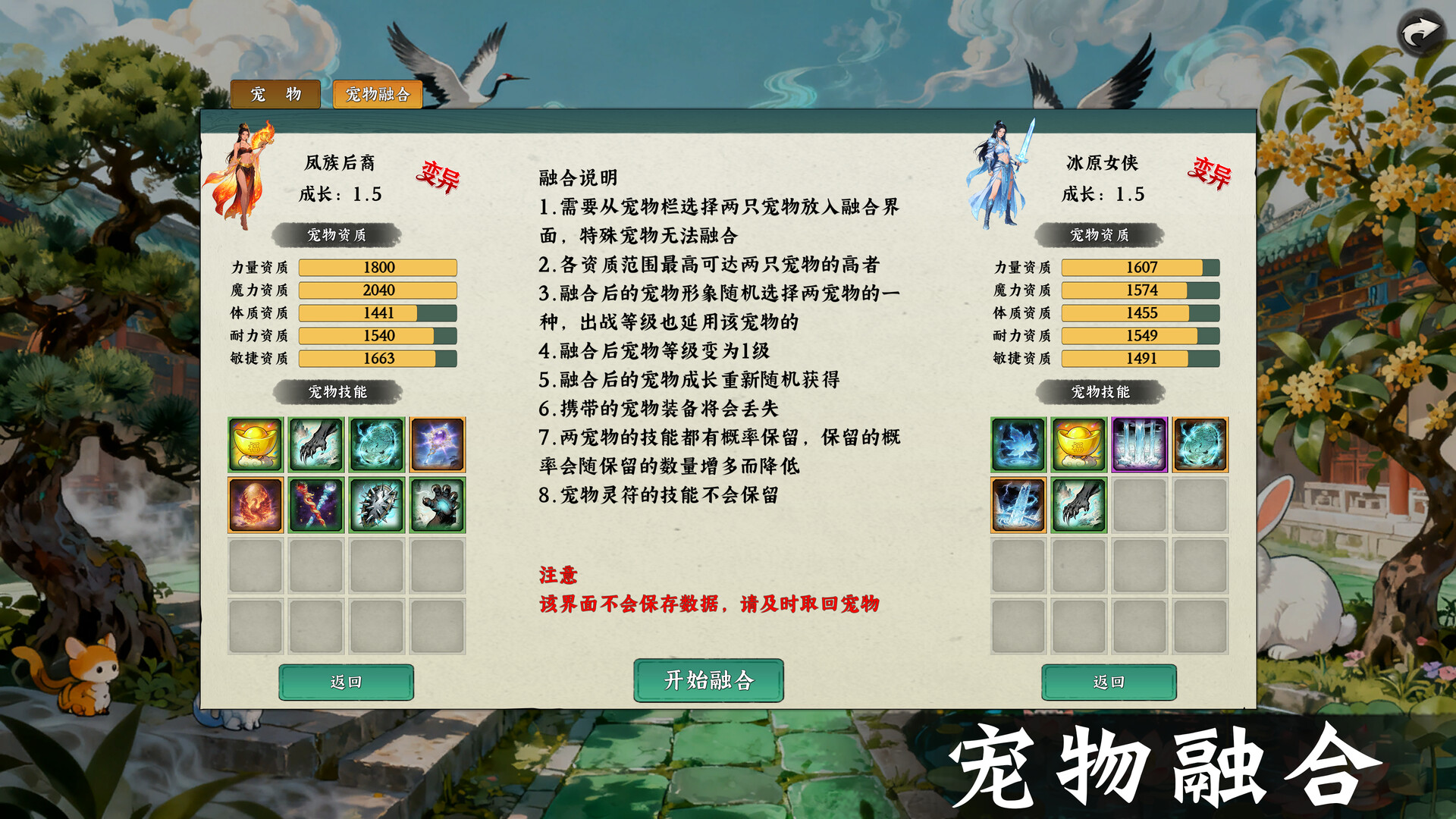
The pet system adds another rewarding layer of progression. Throughout the adventure, players recruit creatures that accompany them in battle and provide various bonuses. These companions range from ordinary animals to powerful mythical beasts, each possessing unique abilities and growth potential. What makes the system particularly enjoyable is that success is not limited exclusively to the rarest companions. Careful development and strategic use can make even modest pets valuable assets, encouraging experimentation rather than simple rarity chasing.
Artifact cultivation and character advancement systems provide additional long-term goals. New artifacts, spiritual growth mechanics, and power-enhancing upgrades constantly give players reasons to continue progressing. Every completed challenge unlocks further opportunities for development, ensuring that there is almost always another objective on the horizon. This constant sense of forward momentum is one of the game's greatest strengths and helps maintain engagement over extended periods.
The strategic depth may surprise players unfamiliar with the genre. Despite its automated combat, there are numerous decisions to make regarding equipment builds, class selection, talent allocation, artifact usage, and companion management. Success often depends on optimizing these systems rather than simply waiting for numbers to increase. This balance between automation and decision-making helps the game avoid feeling overly passive.
Another major advantage is the absence of heavy reliance on competitive online features. The game focuses primarily on personal progression rather than direct competition with other players. Resources, upgrades, and character growth are earned through gameplay rather than through aggressive monetization systems. This design creates a more relaxed environment where advancement feels connected to effort and planning rather than external pressures.
Visually, Idle Quest Simulator adopts a functional presentation that prioritizes information and progression clarity. Menus are easy to navigate, important statistics are readily available, and progression systems are presented in an organized manner. While the graphics are not particularly advanced, they effectively support the game's emphasis on strategy and long-term development. The mythology-inspired artwork adds flavor and helps distinguish the game from more generic idle experiences.
The game does have a few limitations. Players looking for fast-paced action or story-heavy gameplay may find the automated structure too passive. Much of the satisfaction comes from gradual growth and optimization rather than direct control. Additionally, the progression loop can become repetitive for those who are not already fans of idle RPG mechanics. However, these aspects are largely inherent to the genre rather than flaws unique to the game itself.
What ultimately makes Idle Quest Simulator successful is the way it combines idle mechanics with meaningful RPG systems. Character progression, equipment development, pet cultivation, and mythological worldbuilding all work together to create an experience that feels more substantial than a simple number-increasing simulator. The game consistently rewards patience and strategic thinking while maintaining the convenience that defines the idle genre.
Idle Quest Simulator stands as an enjoyable and surprisingly deep idle RPG that successfully balances accessibility with meaningful progression. Its rich mythology-inspired setting, flexible character-building options, rewarding equipment systems, and satisfying long-term growth create an experience that is easy to recommend to fans of incremental and idle role-playing games. While it may not appeal to players seeking constant action, those who enjoy watching carefully planned characters grow stronger over time will find a rewarding adventure filled with steady progression and lasting appeal.
Rating: 7/10