▲ Recommended
10 hrs
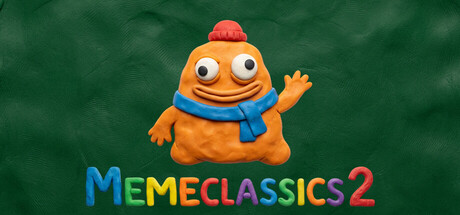
МЕМАСИКИ ПО КЛАССИКЕ 2 is a niche, nostalgia-driven quiz experience that builds its entire identity around early internet culture, presenting itself less as a traditional game and more as a rapid-fire test of memory and recognition. Developed by Reanim Games and published by STuNT, it leans fully into its concept, offering a straightforward structure that prioritizes familiarity and humor over mechanical depth or progression.
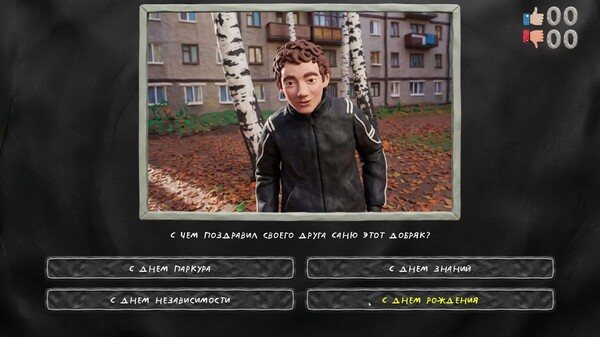
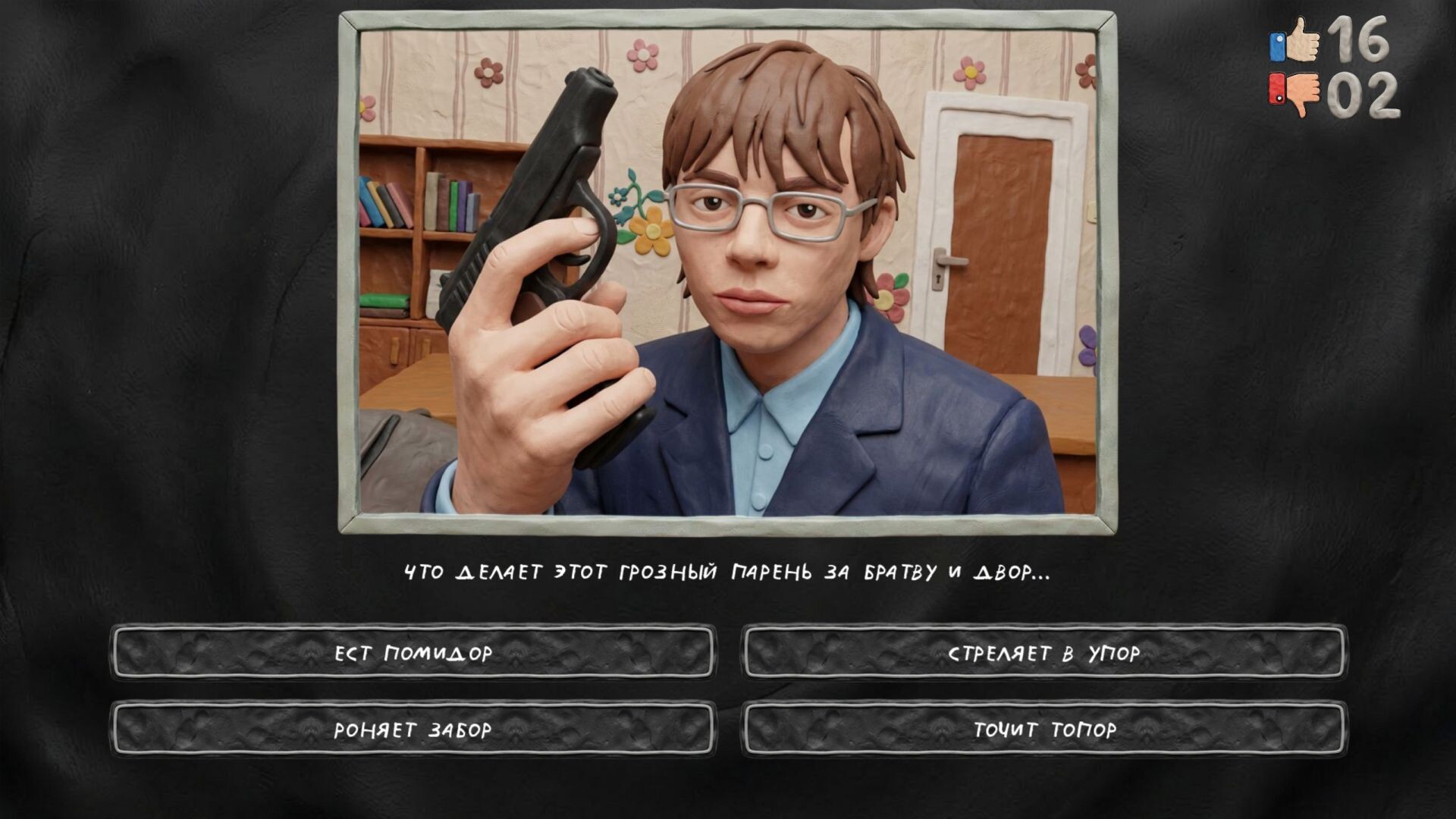
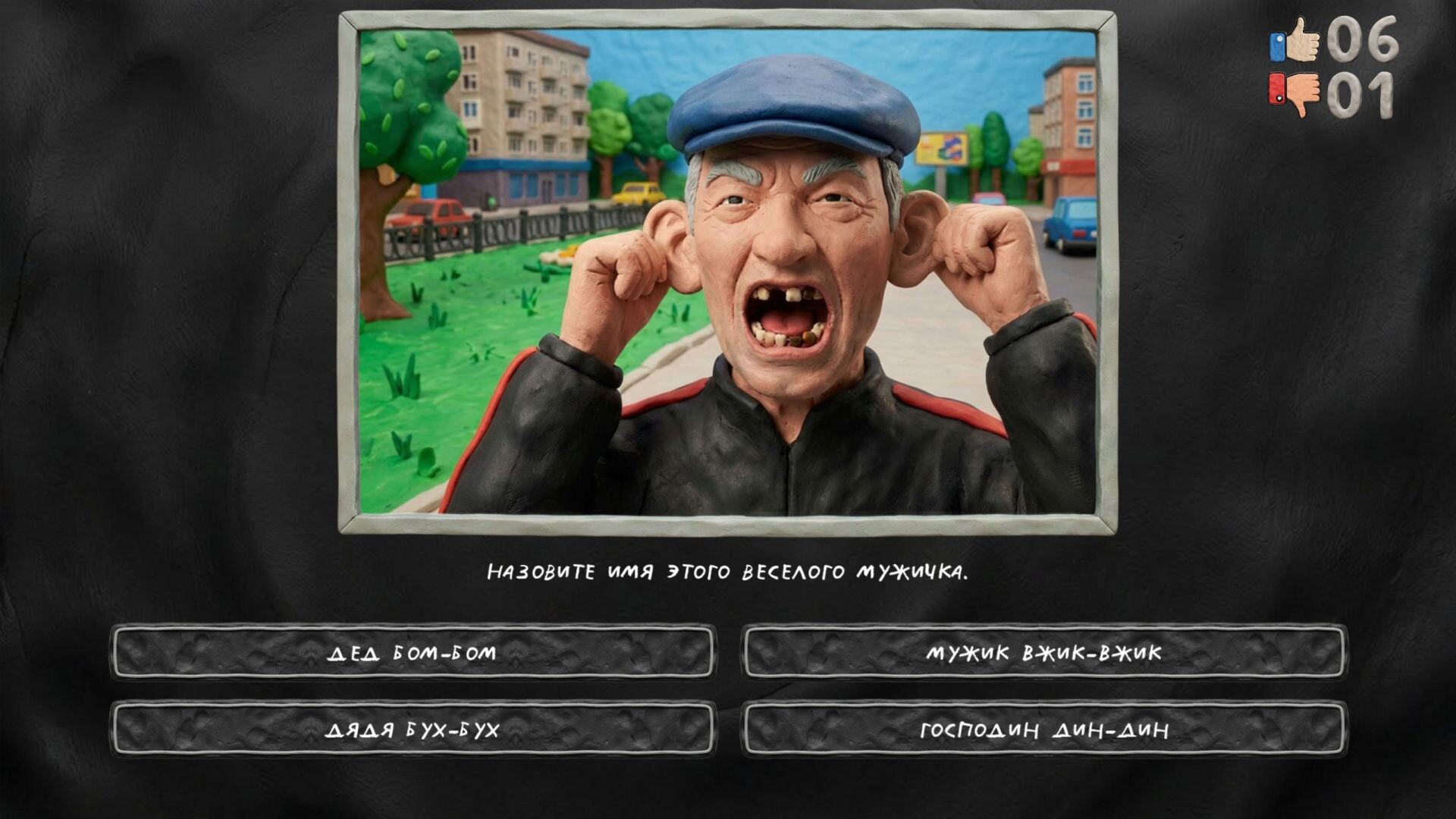
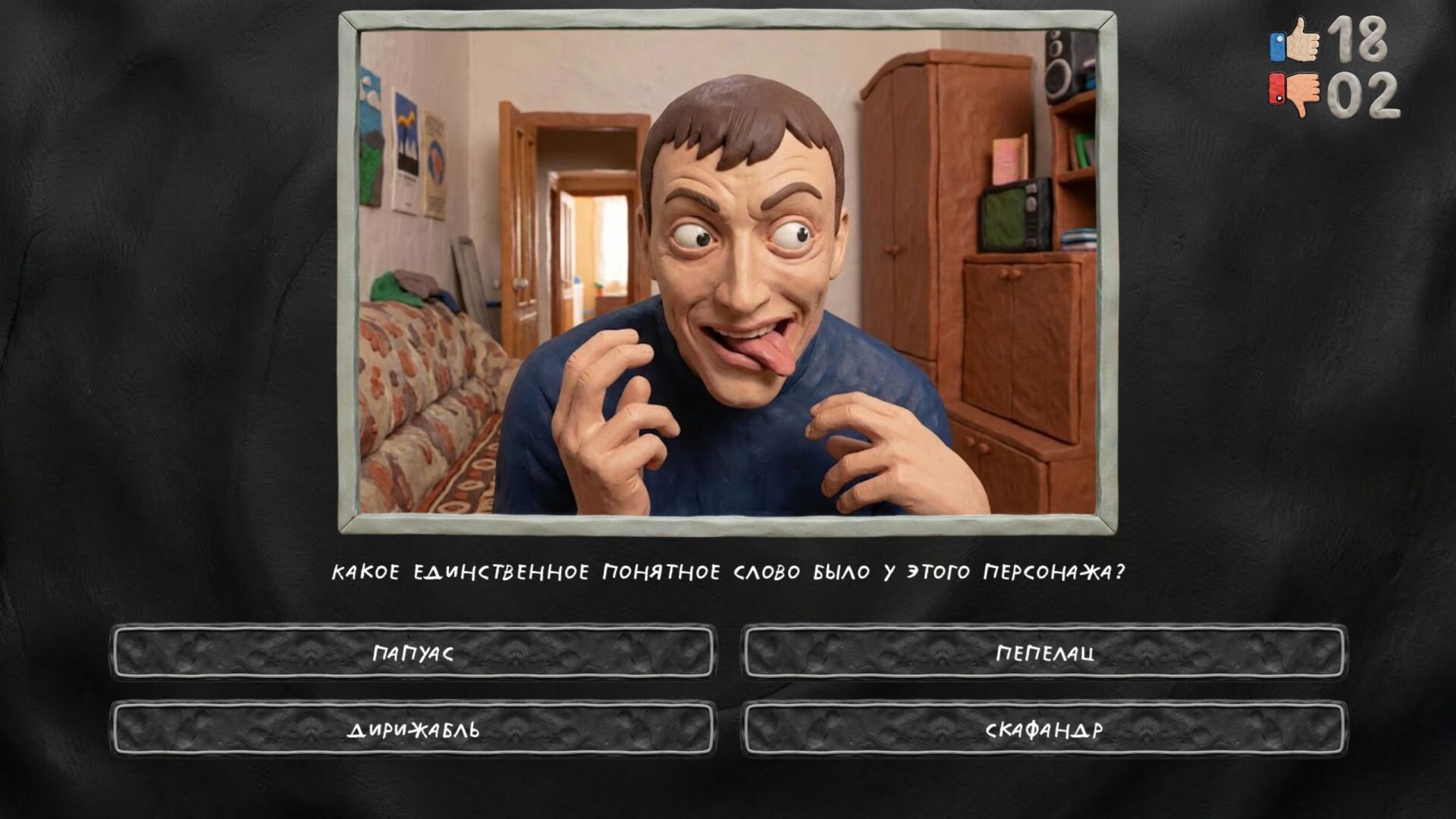
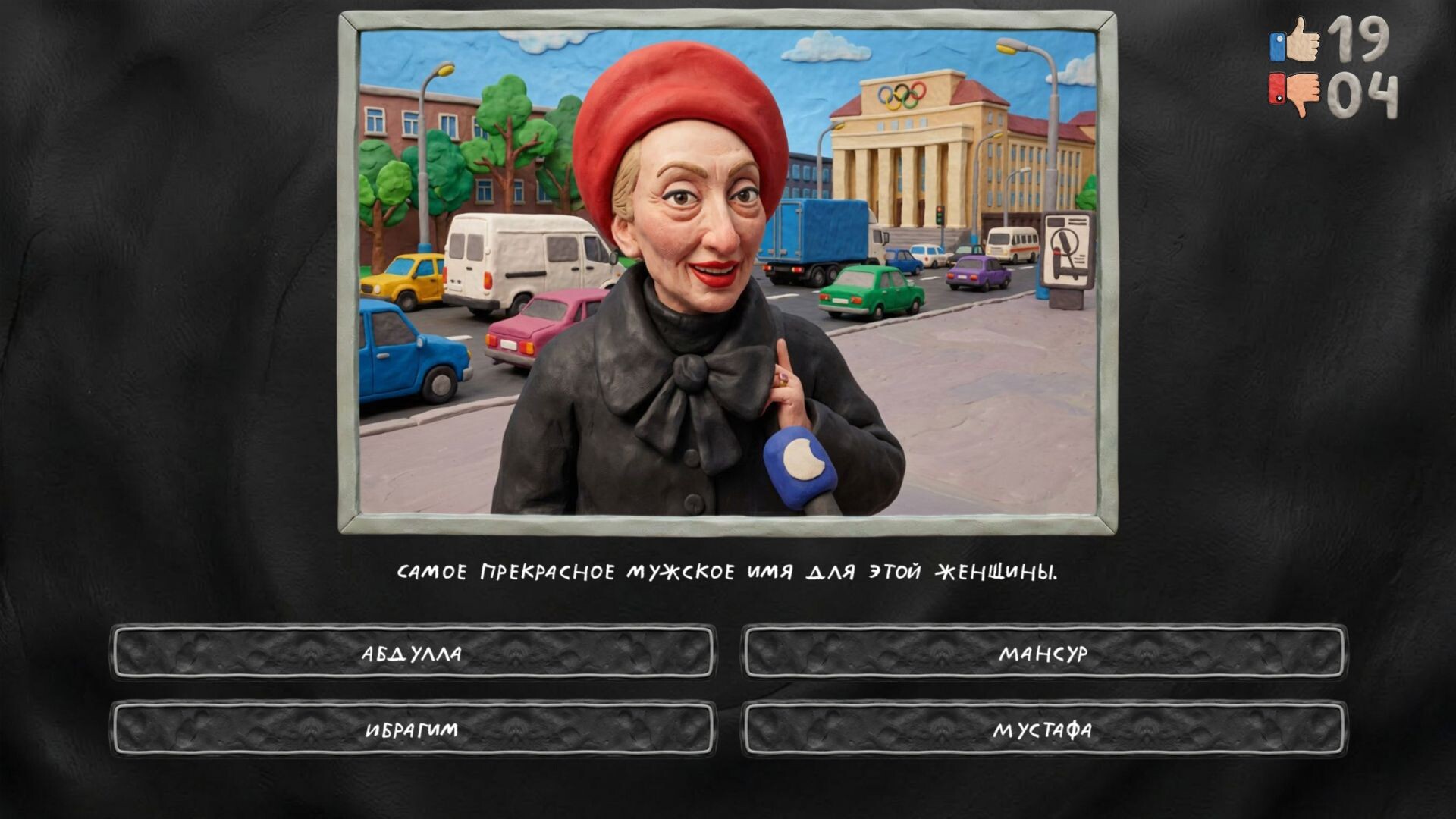
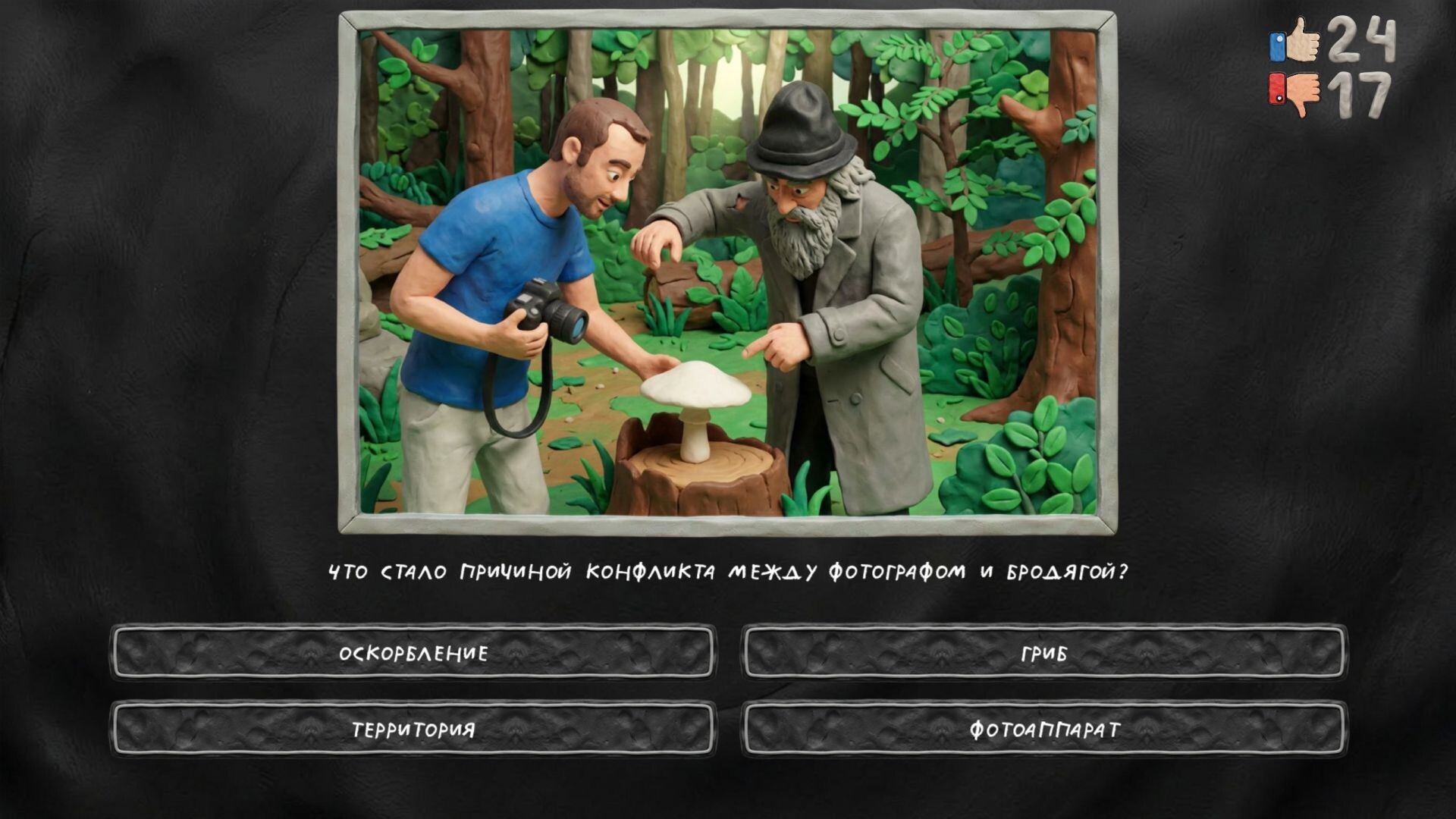
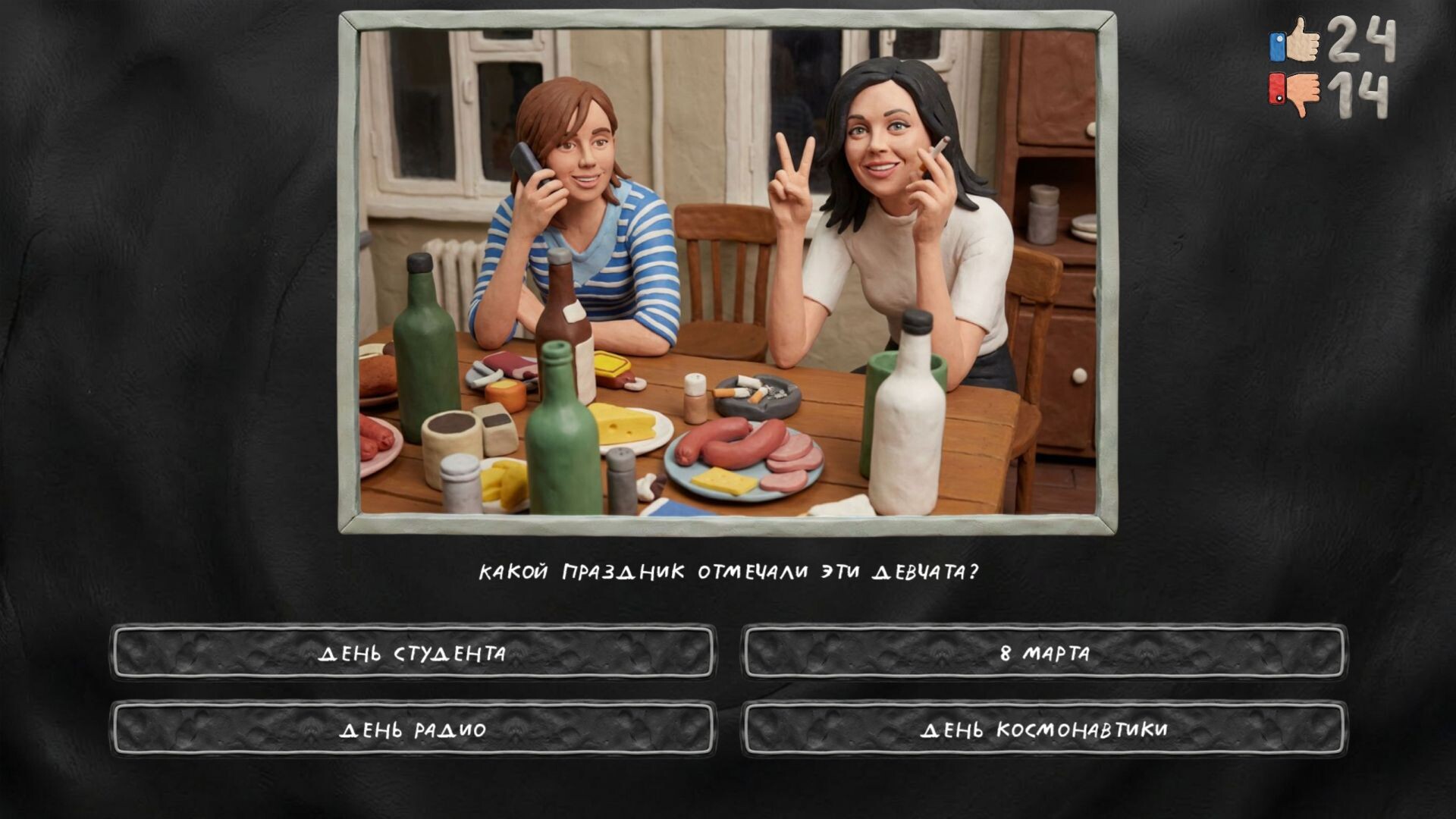
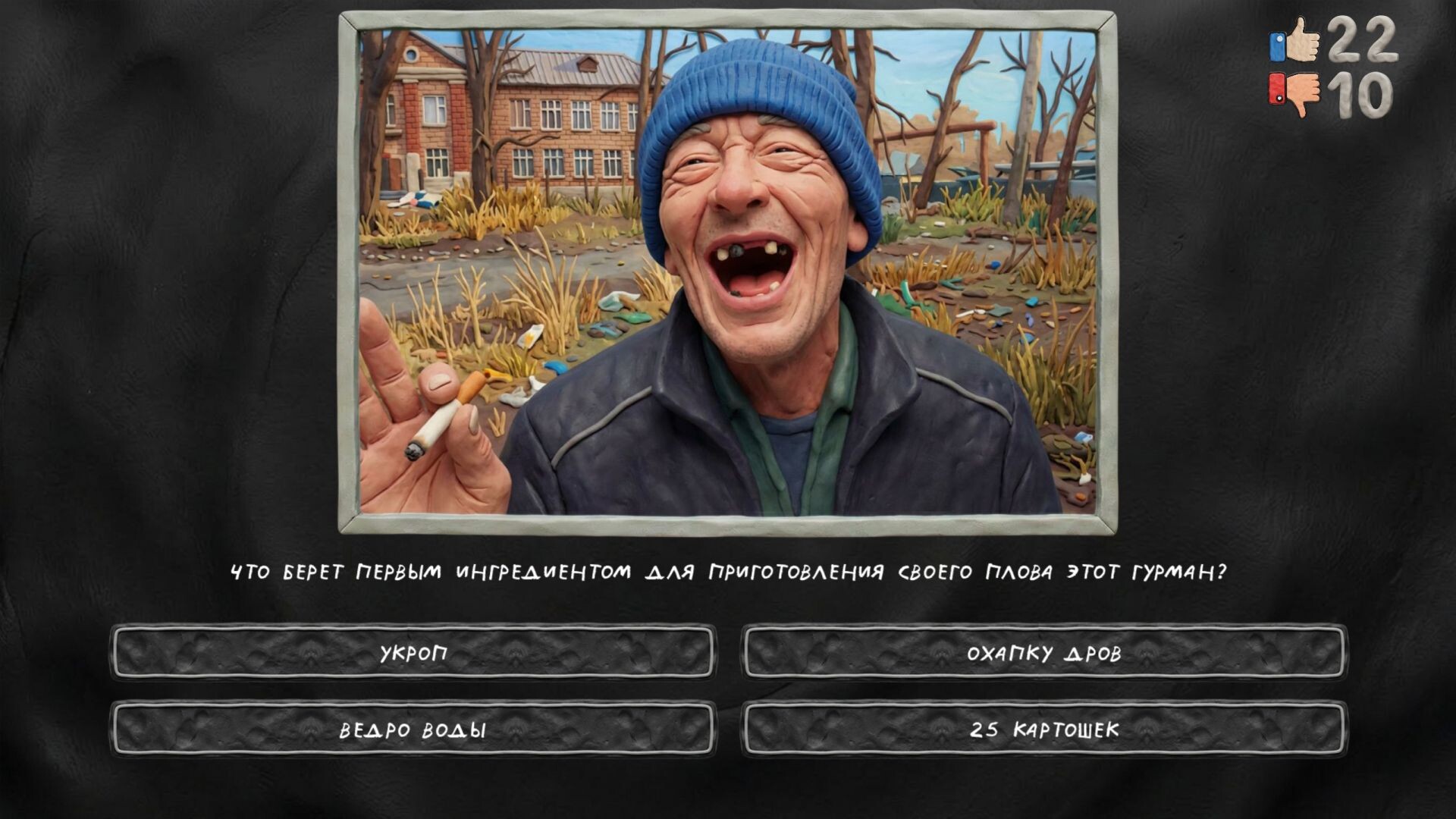
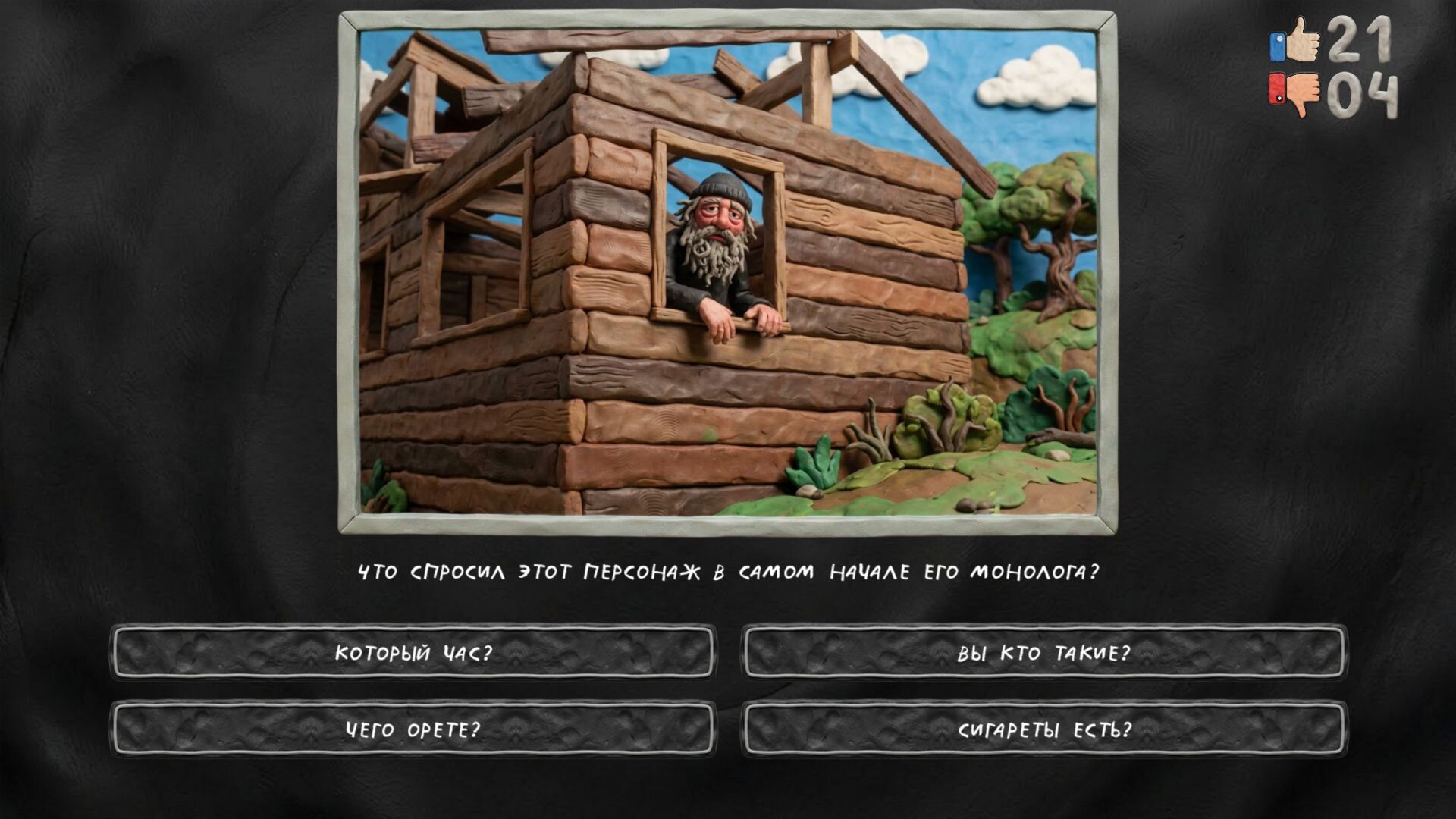
The gameplay is built around a simple loop: you are presented with a series of multiple-choice questions, each tied to classic memes, references, and cultural artifacts from a specific era of online history. There are no distractions, no exploration, and no additional systems layered on top—just a continuous sequence of prompts that require quick recall. The pacing is immediate, with one question following another without pause, creating a rhythm that feels more like a rapid quiz session than a conventional game. This simplicity makes it easy to understand and accessible from the start, but it also defines the limits of the experience.
What gives the game its appeal is the specificity of its content. It draws heavily from a particular period of internet culture, focusing on references that resonate most strongly with players who experienced that era firsthand. For those who recognize the material, the experience can feel personal and engaging, tapping into a sense of shared memory that goes beyond the mechanics themselves. The game doesn’t attempt to explain its references or make them universally accessible—it assumes familiarity, and that assumption becomes a defining part of its identity.
Visually, the game takes an unusual approach by recreating its imagery in a clay-like, handcrafted style. This choice adds a layer of charm, giving familiar memes a slightly distorted, tactile quality that reinforces the nostalgic theme. While the presentation is simple, it is cohesive, and the aesthetic helps distinguish the game from more generic quiz formats. The overall design is functional, with a clear interface that keeps the focus on answering questions rather than navigating menus or systems.
Progression is tied to performance rather than exploration or narrative. As you answer questions correctly, your score increases, and at the end of a session, you are given a ranking that reflects your level of familiarity with the material. This adds a light sense of competition and replayability, encouraging players to improve their results or achieve higher ranks. However, beyond this scoring system, there is little variation in how the game unfolds, and repeated sessions follow the same structure without introducing new mechanics.
The simplicity of the design is both a strength and a limitation. On one hand, it allows the game to deliver a focused experience that is easy to pick up and play in short bursts. On the other hand, the lack of variety means that the gameplay loop can quickly become repetitive, especially for players who spend extended time with it. Without additional modes or evolving challenges, the experience remains largely unchanged from start to finish.
Another key factor is its reliance on cultural context. The game’s content is highly specific, and its humor depends almost entirely on recognition. Players who are unfamiliar with the references may find the experience confusing or unengaging, as the game does little to bridge that gap. This makes it a highly targeted title, appealing strongly to a particular audience while offering limited accessibility to others.
Despite these constraints, the game succeeds in delivering what it sets out to do. It captures a specific slice of internet history and presents it in a format that is both interactive and nostalgic. Its charm lies not in complexity or innovation, but in its ability to evoke recognition and familiarity through a simple, consistent structure.
In the end, МЕМАСИКИ ПО КЛАССИКЕ 2 is a focused and personality-driven quiz game that thrives on nostalgia and cultural specificity. It offers a quick, engaging experience for players who connect with its references, but its limited scope and repetitive structure prevent it from having broader appeal. For the right audience, it works as a fun and nostalgic diversion; for others, it may feel too narrow to sustain long-term interest.
Rating: 7/10