▼ Not recommended
0 hrs
Interesting concept and potential, problem is that the game is mostly still in Kanji and I cannot read Chinese/Japanese. It could use another pass with a translation software. I would rate it neutral if I had the option but for now, its a negative because I cannot play.
▲ Recommended
10 hrs
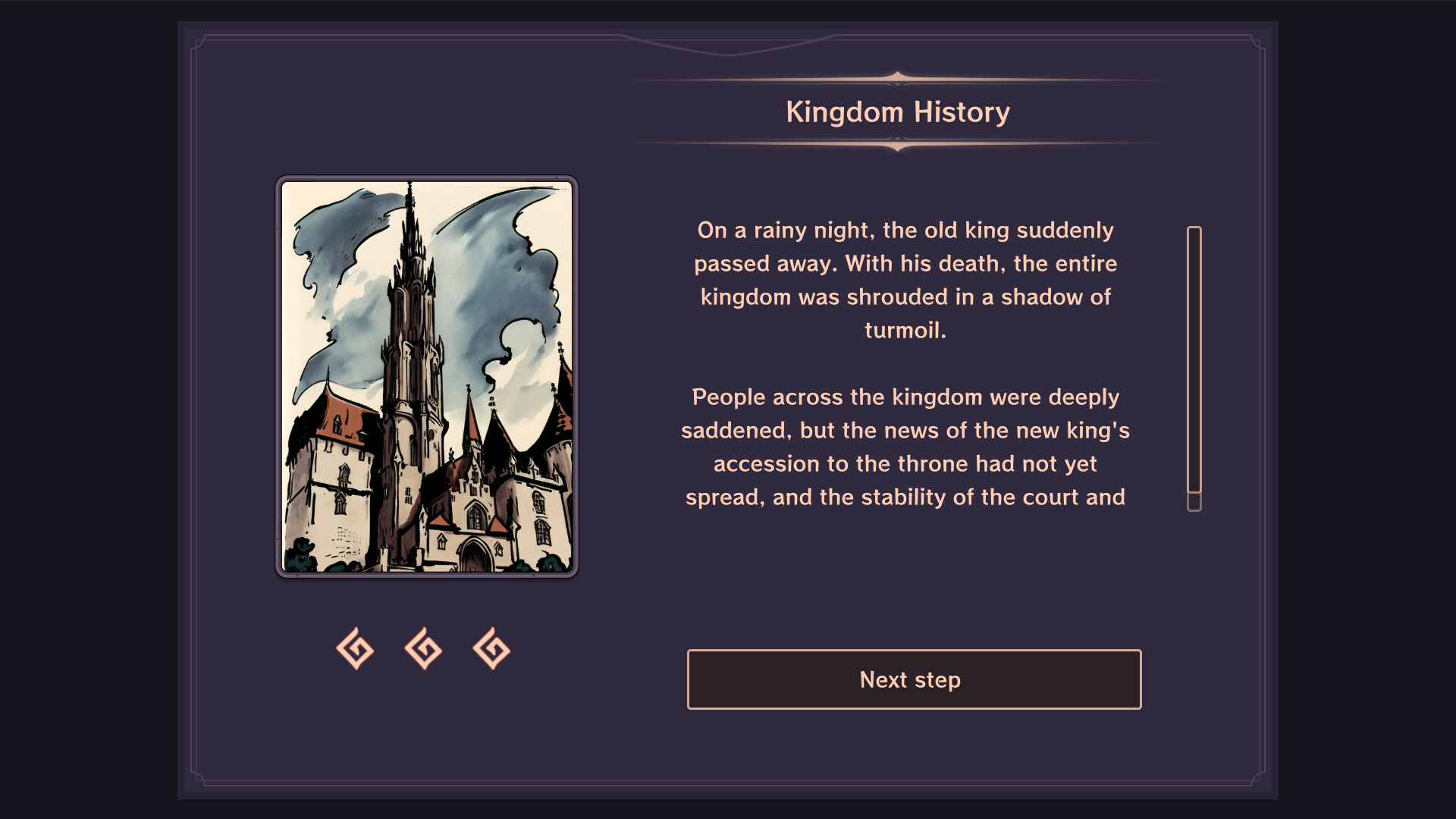
Dear His Majesty is an indie strategy and decision-driven simulation developed and published by huiFeng that places the player in the uneasy position of a young ruler inheriting a fragile medieval kingdom. Rather than overwhelming the player with complex systems or dense interfaces, the game frames rulership as a steady stream of difficult choices, each one carrying consequences that ripple across the realm. From the very beginning, the experience emphasizes responsibility over power, inviting players to consider not only how to survive politically, but what kind of monarch they wish to become.
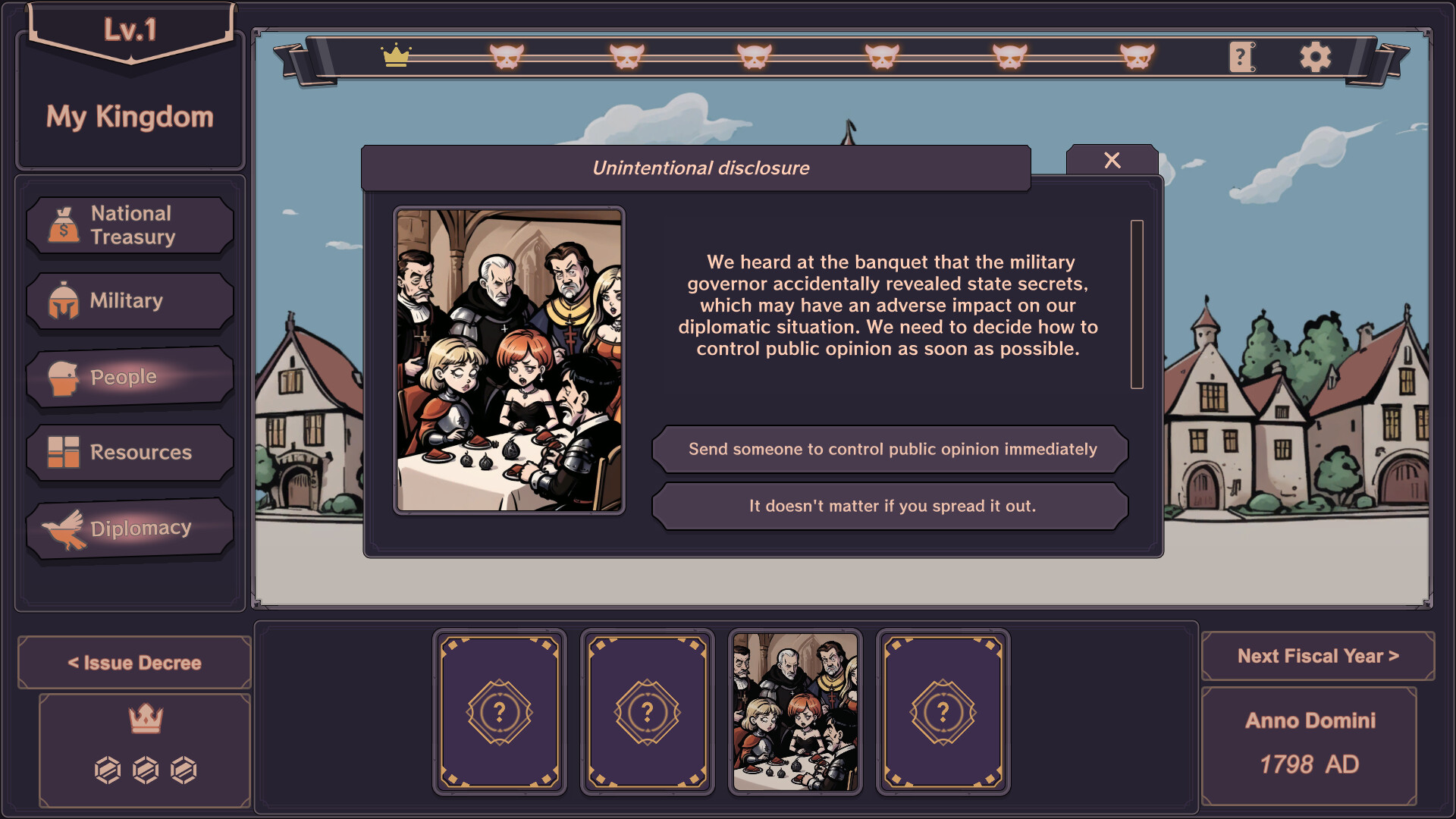
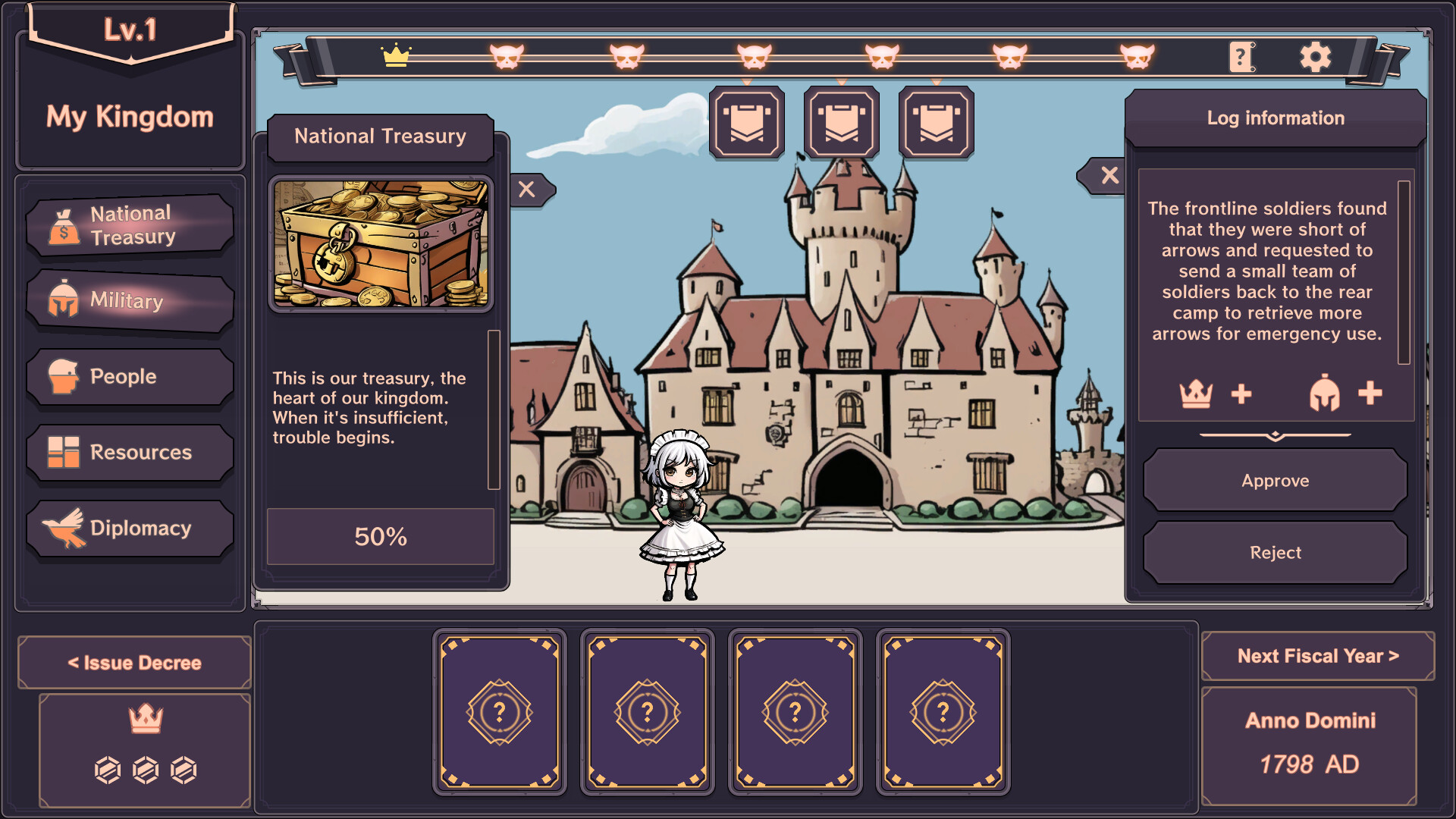
The gameplay revolves around a simple but effective decision-making loop. Events are presented as scenarios requiring immediate judgment, and each response affects several core aspects of the kingdom, such as finances, public satisfaction, military readiness, or long-term stability. These choices are rarely clear-cut, often forcing the player to sacrifice one priority to protect another. Over time, this creates a quiet tension where short-term solutions can easily sow the seeds of future disasters. While the mechanics are accessible enough for casual players, there is a subtle strategic layer in learning how different decisions interact and how to anticipate the cascading effects of policies made under pressure.
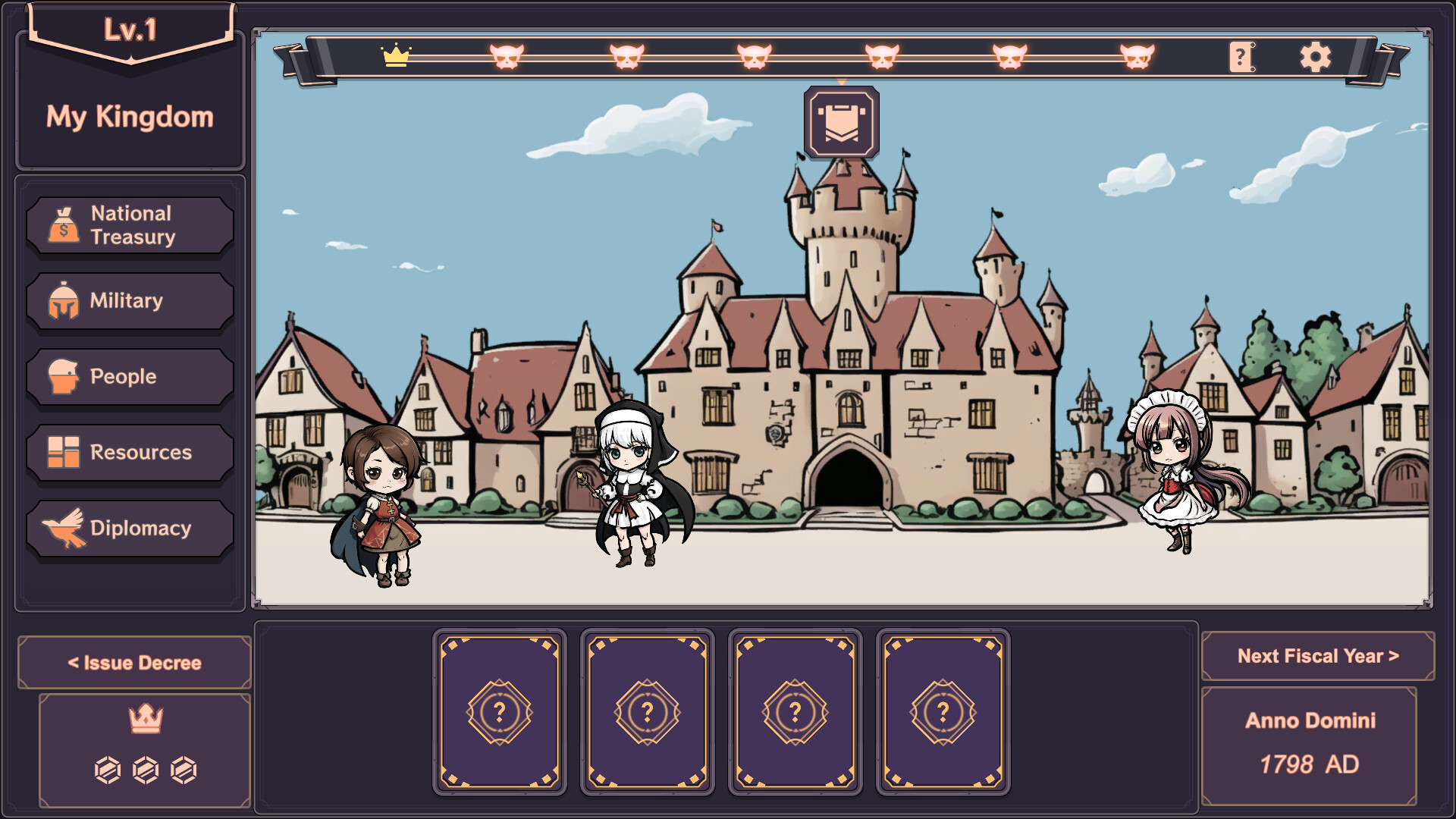
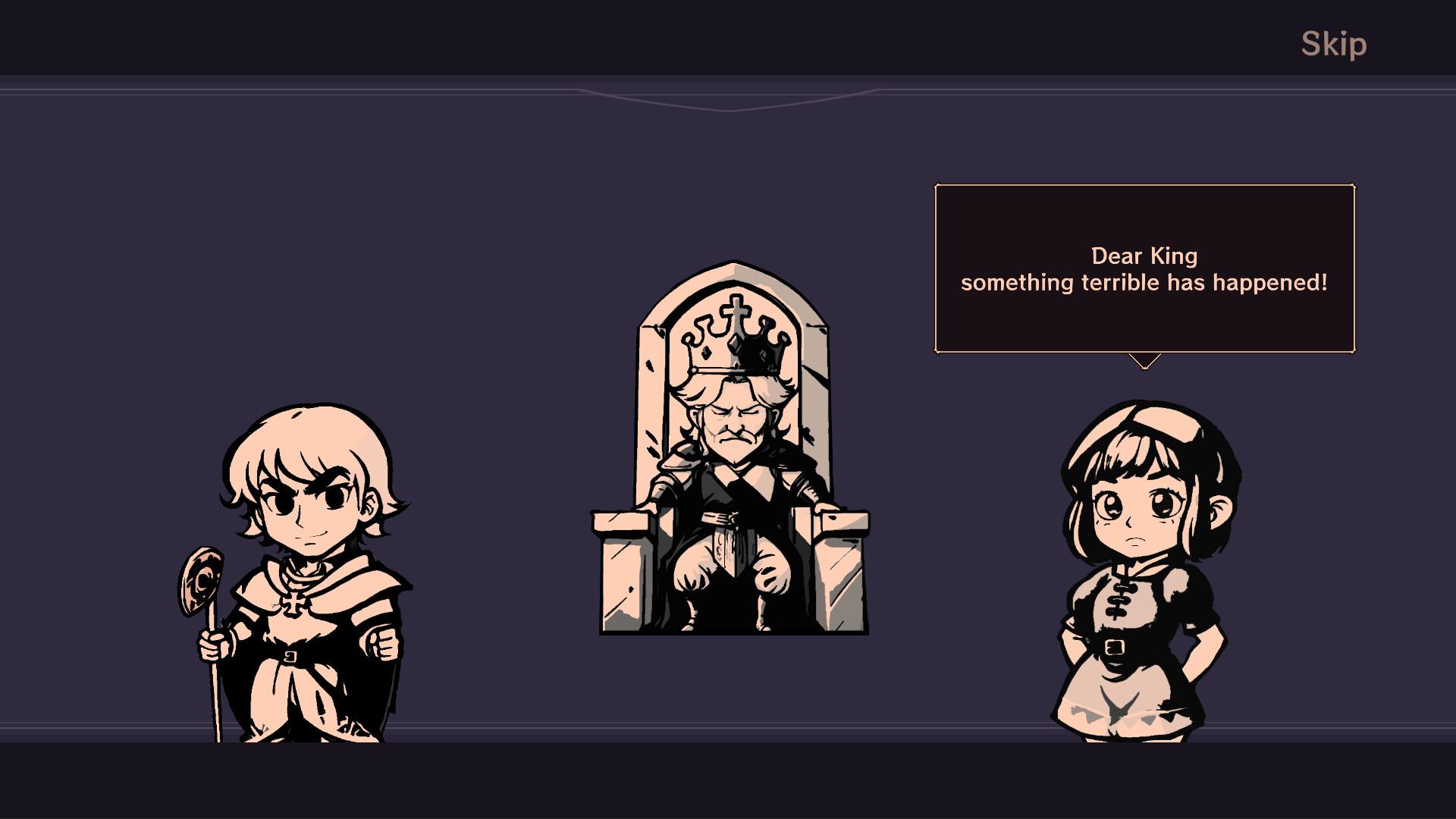
Visually, Dear His Majesty adopts a clean and stylized 2D art direction that favors clarity and charm over spectacle. Characters and environments are illustrated with a light, almost storybook quality that reinforces the game’s approachable tone. The interface is minimal and readable, keeping attention firmly on the choices being made rather than on micromanagement. Sound design and music play a supporting role, gently reinforcing moments of triumph or crisis without ever becoming intrusive. The overall presentation feels intentionally modest, but cohesive and well-aligned with the game’s reflective pace.
Narratively, the game leans heavily on branching paths and emergent storytelling. There is no rigid linear plot; instead, the story of your reign unfolds organically based on the accumulation of decisions you make. Compassionate rulers may see their kingdom flourish in goodwill but struggle financially, while harsher leaders might maintain order at the cost of public trust. Multiple endings encourage replayability, as players experiment with different leadership styles and moral philosophies. While some events may recur across playthroughs, their outcomes can feel meaningfully different depending on the context created by earlier decisions.
That said, Dear His Majesty is clearly designed as a light strategy experience rather than a deep management simulator. Players seeking intricate economic models or large-scale military systems may find the mechanics too restrained. Certain events can also feel driven more by randomness than by fully transparent cause-and-effect logic, which can occasionally undermine the sense of control. However, this unpredictability also mirrors the uncertainty of leadership itself, reinforcing the idea that even well-intentioned rulers cannot foresee every consequence.
Ultimately, Dear His Majesty succeeds by focusing on the emotional weight of governance rather than its technical complexity. It offers a contemplative take on strategy, where success is not measured solely by numbers, but by the story of the kingdom you leave behind. For players who enjoy decision-driven games that emphasize moral tension, replayable narratives, and accessible mechanics, it provides a thoughtful and quietly engaging experience. While it may not redefine the genre, it delivers a distinctive and personal perspective on rulership that lingers long after the final decree is issued.
Rating: 6/10