
▲ Recommended
10 hrs
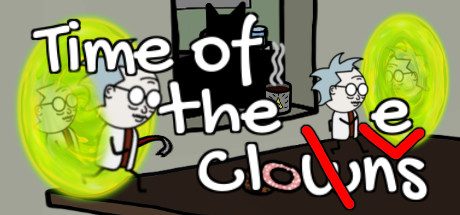
Time of the Clones developed by BadWolf Games and published by HandMade Games is a compact puzzle-platformer built around a time-manipulation concept that emphasizes planning, repetition, and precise execution. Set within a fractured scientific facility where time itself has become unstable, the game uses its premise as more than just a narrative backdrop—it directly informs the mechanics, shaping every puzzle around the idea of interacting with past versions of yourself.
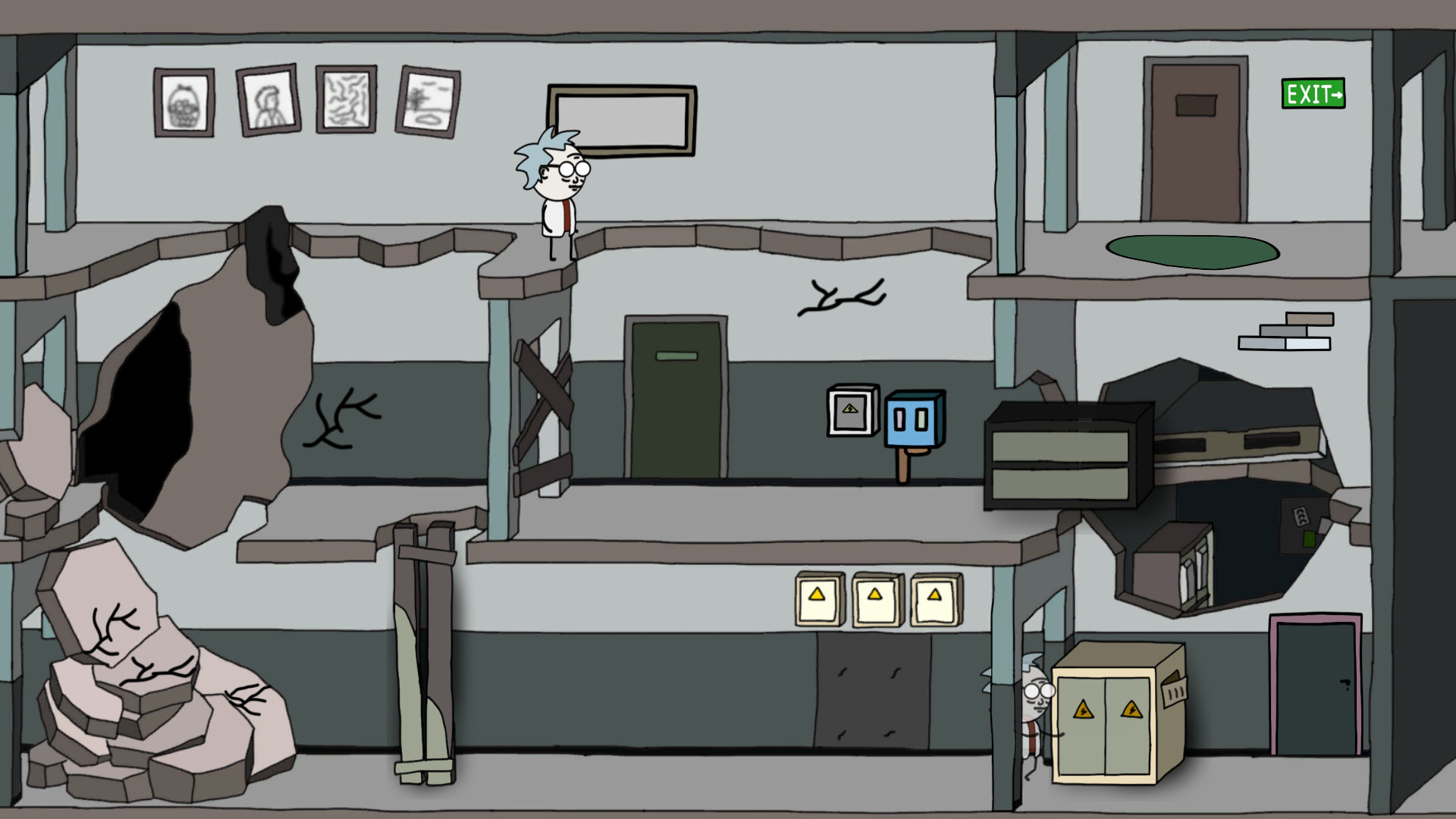
The central gameplay mechanic revolves around creating time loops, where the player’s actions are recorded and replayed by clones in subsequent cycles. This allows multiple versions of the character to exist simultaneously, each performing previously recorded tasks. What initially feels like a simple gimmick quickly evolves into a layered system where success depends on coordinating these clones with careful timing and foresight. Players must think not just about what to do, but when to do it, ensuring that each iteration contributes meaningfully to solving the puzzle. The result is a structure that transforms straightforward platforming into a more deliberate and logic-driven experience.
Level design is built to gradually expand the possibilities of this system. Early stages introduce the basics—moving objects, activating switches, and understanding how actions carry over between loops—while later levels demand increasingly precise coordination between multiple clones. Timing becomes critical, and even small errors can disrupt an entire sequence, forcing players to restart and refine their approach. This trial-and-error process is central to the experience, rewarding persistence and careful observation. While the number of levels is relatively modest, each one is designed to extract as much complexity as possible from the core mechanic.
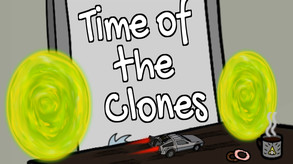
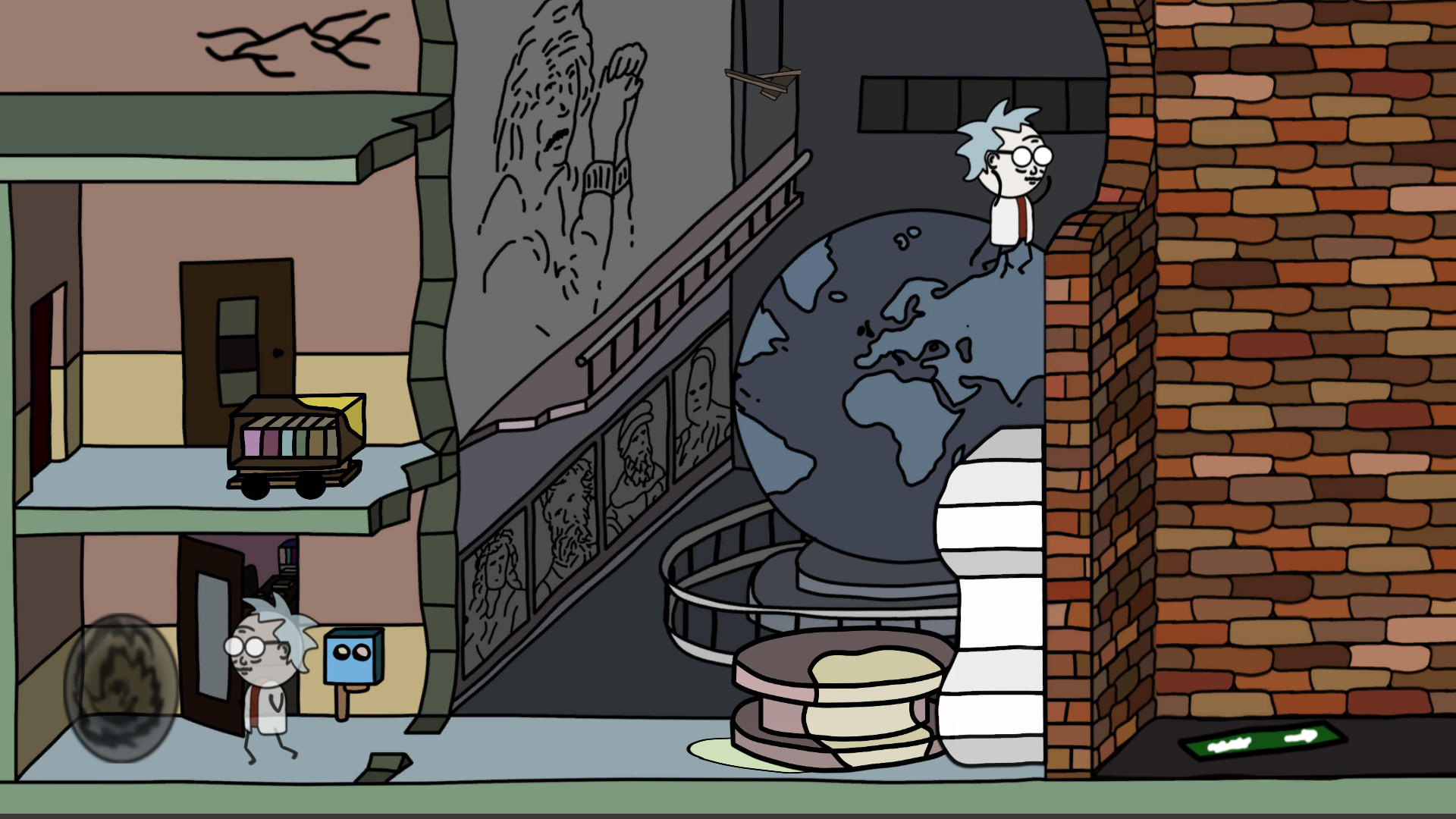
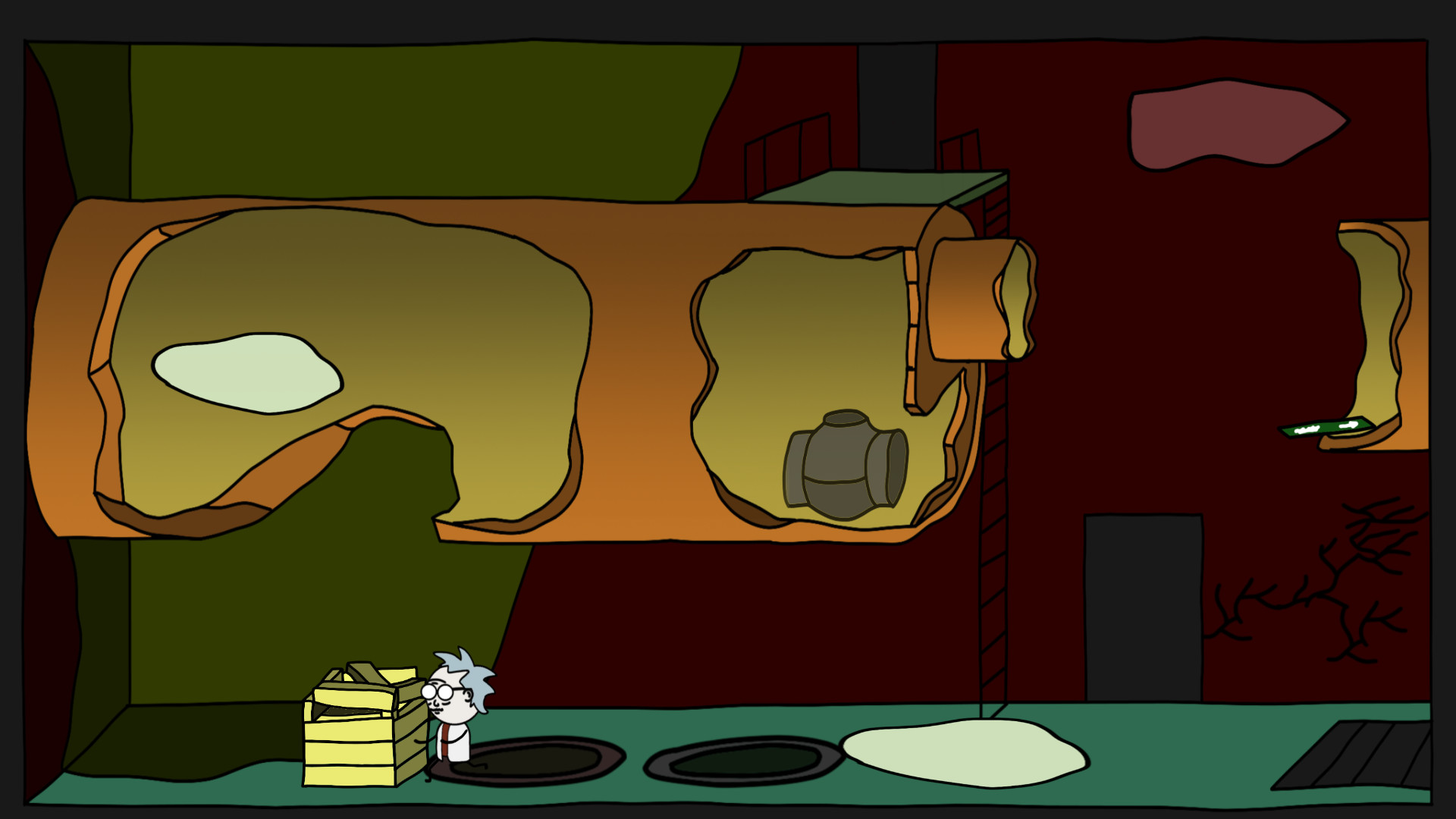
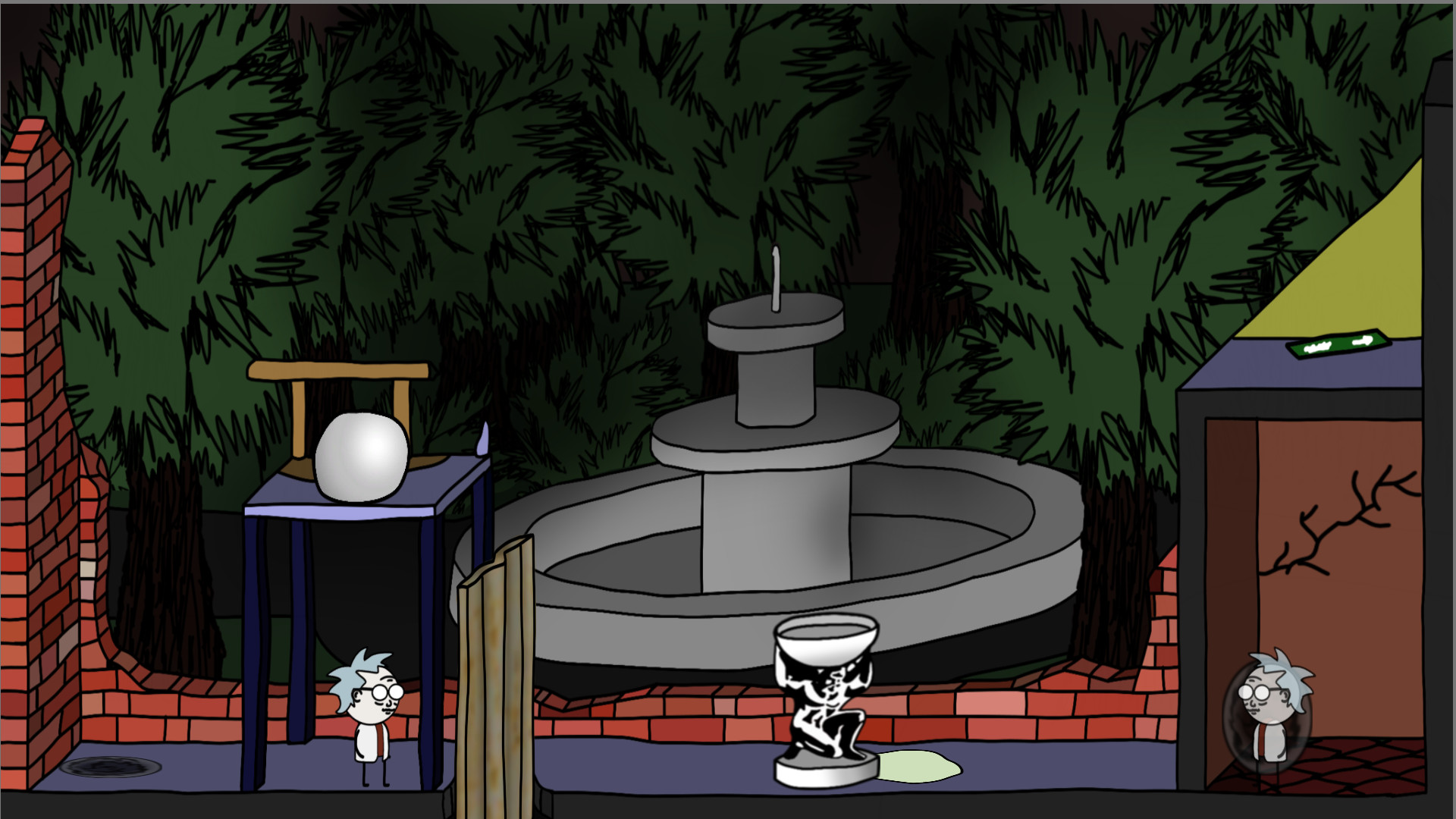
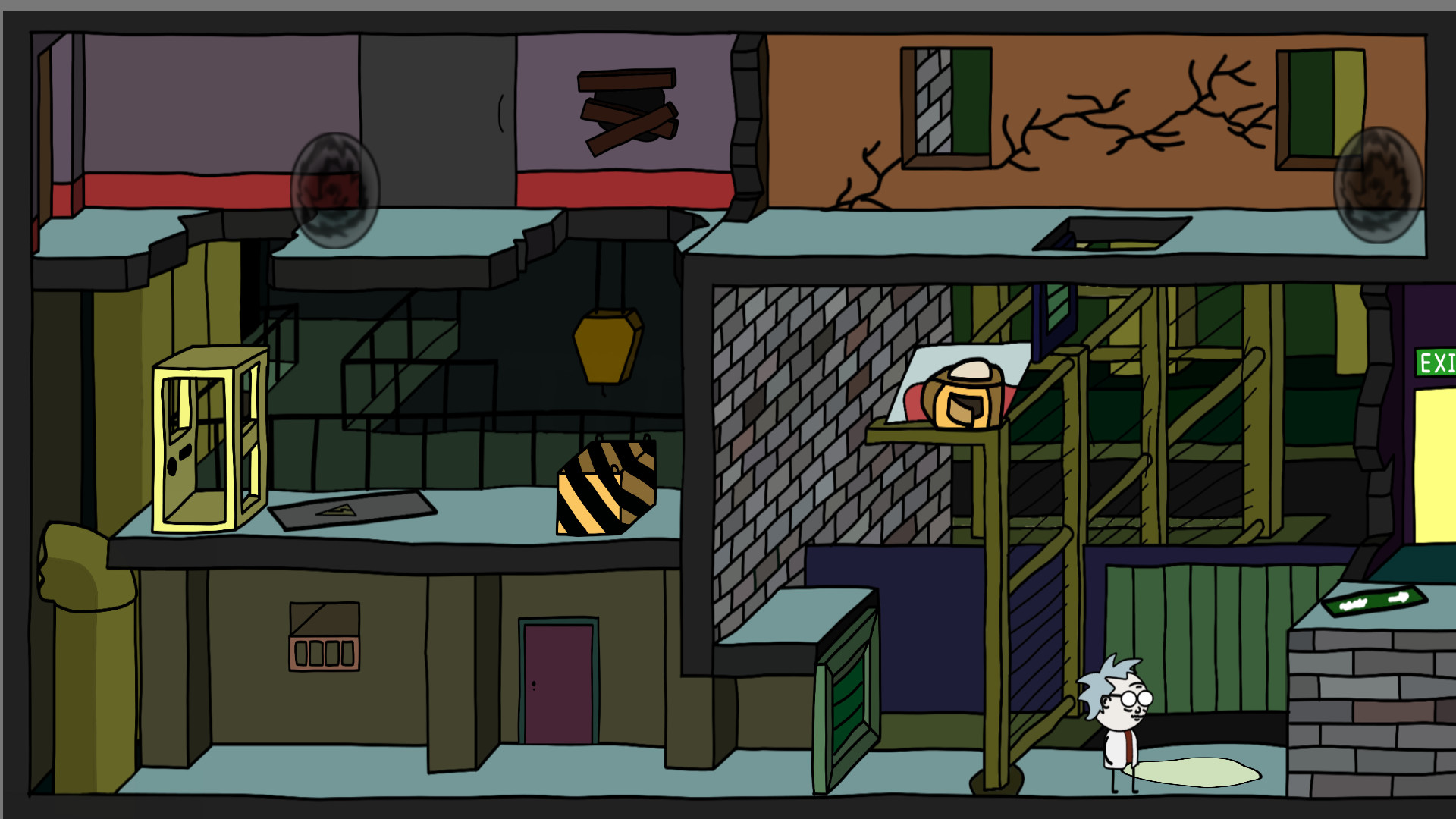
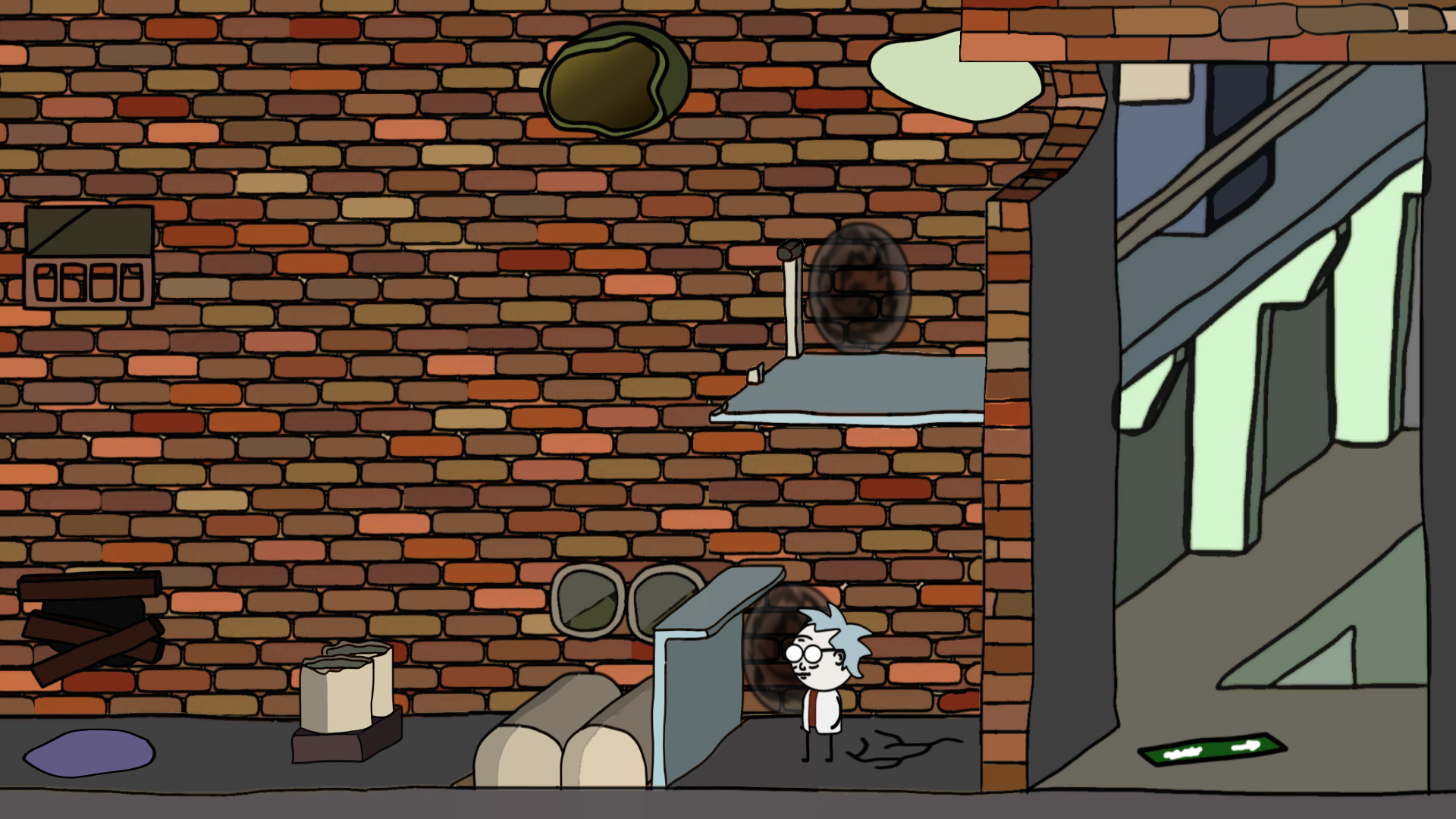
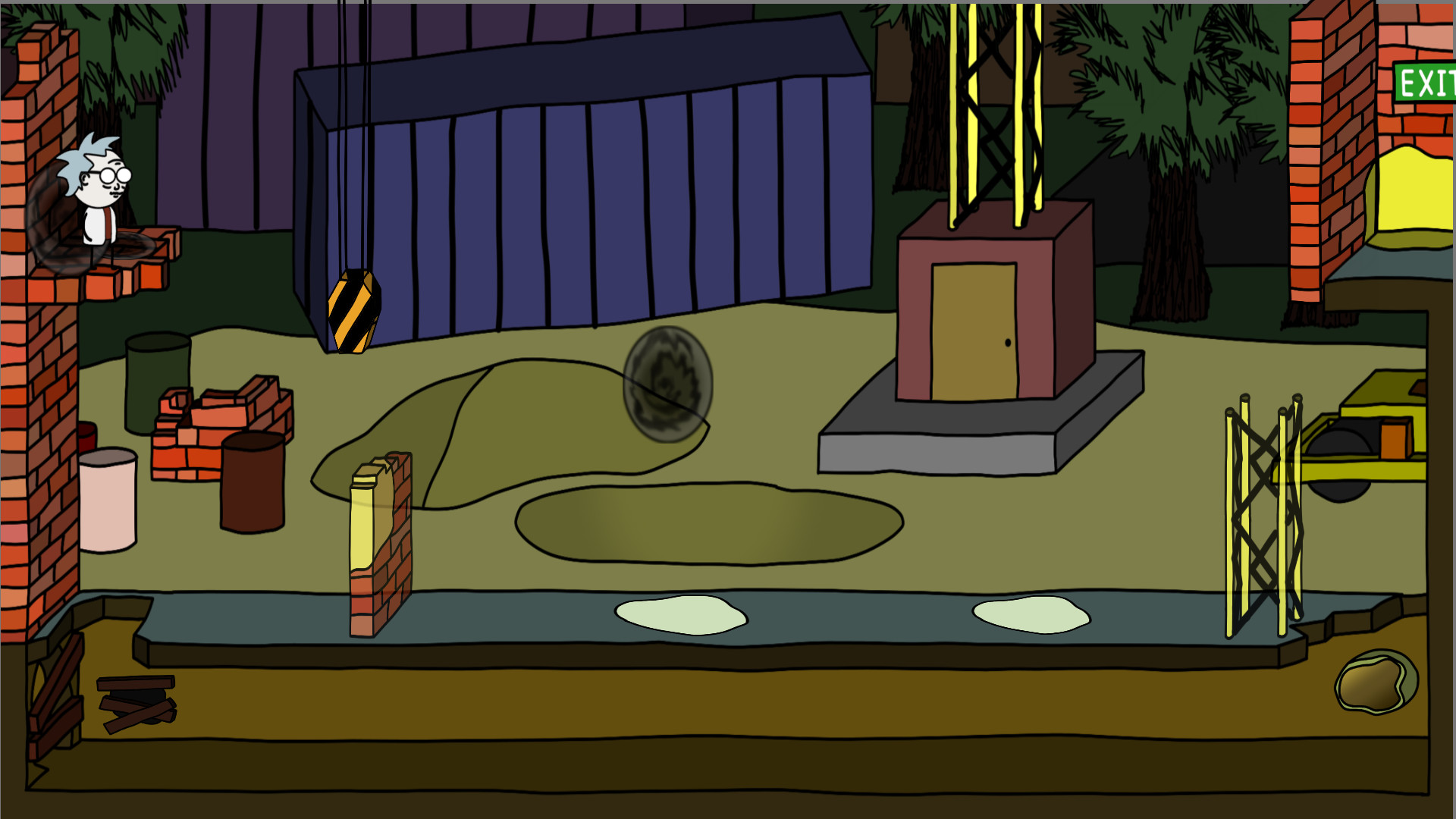
Visually, the game adopts a clean and stylized presentation that prioritizes clarity. The environments are simple but effective, ensuring that interactive elements are easy to identify and that players can focus on solving puzzles without unnecessary distractions. The slightly surreal tone of the setting complements the concept of time distortion, giving the world a subtle sense of instability without relying on elaborate visual effects. The overall aesthetic is functional, supporting the gameplay rather than drawing attention to itself.
One of the game’s strengths lies in how accessible its systems are. The controls are straightforward, and the rules governing time loops are easy to grasp, allowing players to quickly understand the basic mechanics. However, mastering these systems is another matter entirely. As puzzles become more complex, the game demands a higher level of precision and planning, creating moments of satisfaction when a solution finally comes together. This balance between simplicity and challenge is what keeps the experience engaging, even within its limited scope.
At the same time, the game’s narrow focus can also be its weakness. The core mechanic, while clever, does not evolve significantly beyond its initial concept, and the lack of additional systems or variations can make the experience feel repetitive over time. Once players fully understand how the time-loop system operates, the sense of discovery diminishes, and the game becomes more about execution than experimentation. This can reduce its long-term appeal, particularly for those looking for a broader range of mechanics.
Pacing is another factor that may divide players. Because each attempt requires replaying entire sequences, progress can feel slow, especially when solutions are not immediately clear. Mistakes often mean starting over and reworking multiple steps, which can be frustrating, even if it is part of the intended challenge. For players who enjoy methodical problem-solving, this structure can be rewarding, but others may find it demanding.
Ultimately, Time of the Clones is a focused and idea-driven puzzle game that succeeds in building a cohesive experience around a single mechanic. It offers satisfying moments of problem-solving and a clear sense of progression, even if it does not expand far beyond its initial concept. It is best suited for players who appreciate logical challenges and are willing to engage with a system that rewards patience and precision.
Rating: 6/10
The central gameplay mechanic revolves around creating time loops, where the player’s actions are recorded and replayed by clones in subsequent cycles. This allows multiple versions of the character to exist simultaneously, each performing previously recorded tasks. What initially feels like a simple gimmick quickly evolves into a layered system where success depends on coordinating these clones with careful timing and foresight. Players must think not just about what to do, but when to do it, ensuring that each iteration contributes meaningfully to solving the puzzle. The result is a structure that transforms straightforward platforming into a more deliberate and logic-driven experience.
Level design is built to gradually expand the possibilities of this system. Early stages introduce the basics—moving objects, activating switches, and understanding how actions carry over between loops—while later levels demand increasingly precise coordination between multiple clones. Timing becomes critical, and even small errors can disrupt an entire sequence, forcing players to restart and refine their approach. This trial-and-error process is central to the experience, rewarding persistence and careful observation. While the number of levels is relatively modest, each one is designed to extract as much complexity as possible from the core mechanic.
Visually, the game adopts a clean and stylized presentation that prioritizes clarity. The environments are simple but effective, ensuring that interactive elements are easy to identify and that players can focus on solving puzzles without unnecessary distractions. The slightly surreal tone of the setting complements the concept of time distortion, giving the world a subtle sense of instability without relying on elaborate visual effects. The overall aesthetic is functional, supporting the gameplay rather than drawing attention to itself.
One of the game’s strengths lies in how accessible its systems are. The controls are straightforward, and the rules governing time loops are easy to grasp, allowing players to quickly understand the basic mechanics. However, mastering these systems is another matter entirely. As puzzles become more complex, the game demands a higher level of precision and planning, creating moments of satisfaction when a solution finally comes together. This balance between simplicity and challenge is what keeps the experience engaging, even within its limited scope.
At the same time, the game’s narrow focus can also be its weakness. The core mechanic, while clever, does not evolve significantly beyond its initial concept, and the lack of additional systems or variations can make the experience feel repetitive over time. Once players fully understand how the time-loop system operates, the sense of discovery diminishes, and the game becomes more about execution than experimentation. This can reduce its long-term appeal, particularly for those looking for a broader range of mechanics.
Pacing is another factor that may divide players. Because each attempt requires replaying entire sequences, progress can feel slow, especially when solutions are not immediately clear. Mistakes often mean starting over and reworking multiple steps, which can be frustrating, even if it is part of the intended challenge. For players who enjoy methodical problem-solving, this structure can be rewarding, but others may find it demanding.
Ultimately, Time of the Clones is a focused and idea-driven puzzle game that succeeds in building a cohesive experience around a single mechanic. It offers satisfying moments of problem-solving and a clear sense of progression, even if it does not expand far beyond its initial concept. It is best suited for players who appreciate logical challenges and are willing to engage with a system that rewards patience and precision.
Rating: 6/10
3 found helpful
Steam ↗